What Is Frontotemporal Dementia? A Complete Guide
Frontotemporal dementia (FTD) is a progressive brain disorder that affects the frontal and temporal lobes — the parts of the brain responsible for behavior, personality, language, and emotional regulation. Unlike more well‑known forms of dementia such as Alzheimer’s disease, FTD often emerges in mid‑life, typically between ages 45 and 65, but it can occur earlier… Read More »


Alzheimer’s Disease vs. Dementia: Similarities and Differences

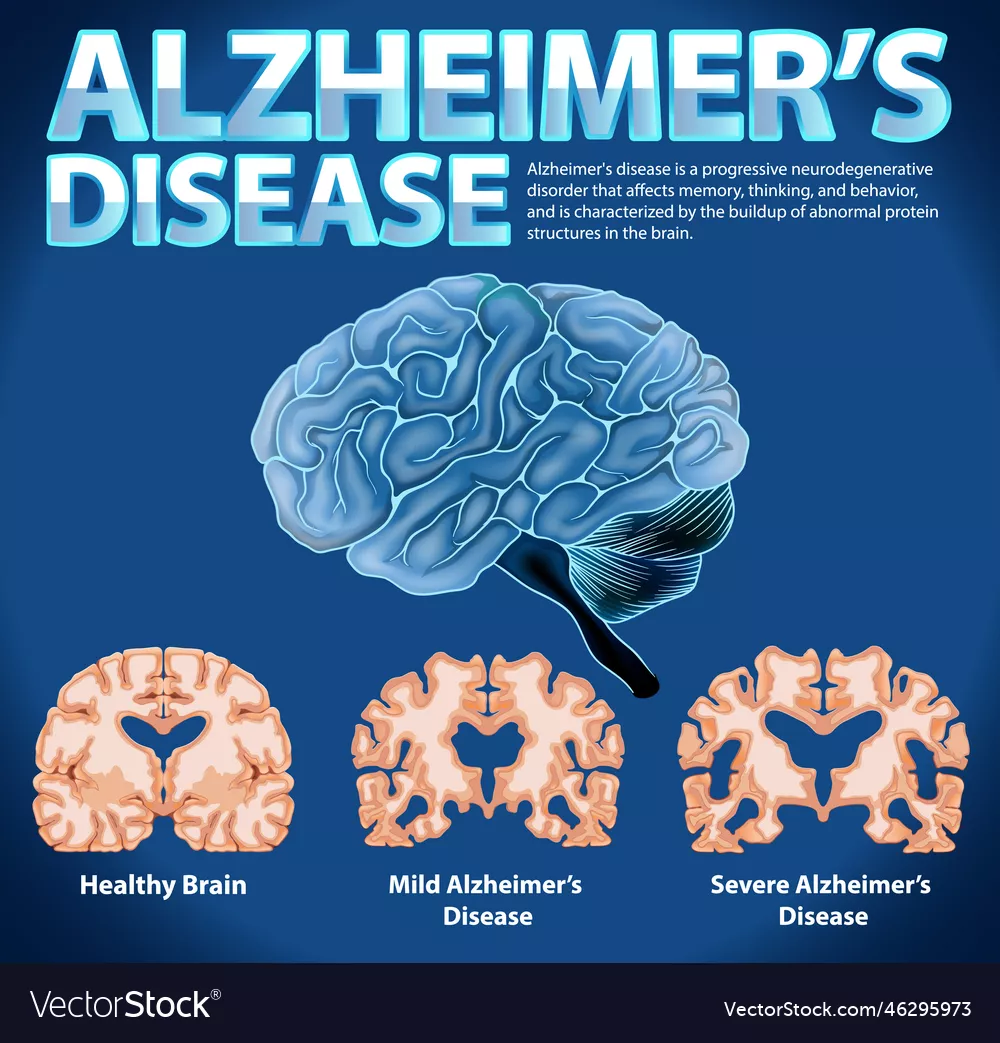
Alzheimer’s disease and dementia are terms often used interchangeably, yet they refer to distinct concepts. Understanding their similarities and differences is essential for caregivers, medical professionals, and individuals seeking clarity on memory-related illnesses. This comprehensive guide breaks down what dementia and Alzheimer’s are, their symptoms, causes, diagnosis, treatment options, and how they relate to one… Read More »

What Is Vascular Dementia?

Vascular dementia is the second most common type of dementia, following Alzheimer’s disease. It is a progressive condition caused by reduced blood flow to the brain, which damages and eventually kills brain cells. Unlike Alzheimer’s, which primarily affects memory, vascular dementia often impacts thinking, reasoning, planning, and judgment. Causes of Vascular Dementia Vascular dementia is… Read More »

Prevent Dementia By Addressing These Risk Factors

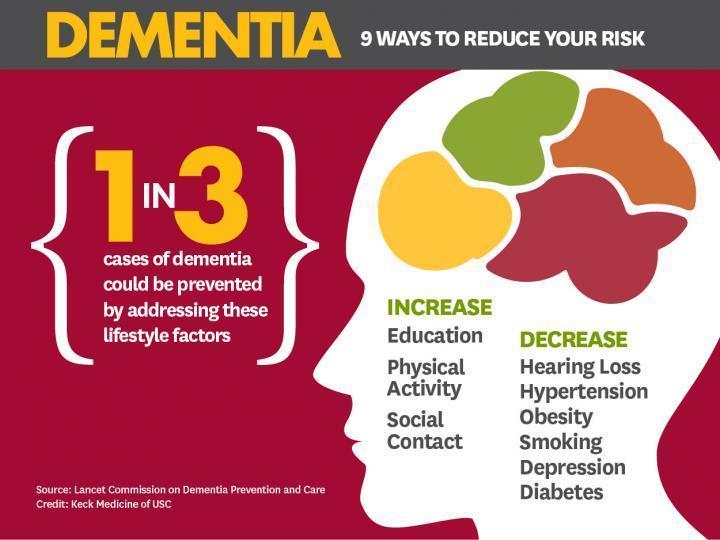
Dementia affects millions of people worldwide, yet many cases may be delayed or even prevented by proactively addressing key lifestyle and health risk factors. While aging remains the strongest known risk factor, research shows that up to 40% of dementia cases could be linked to modifiable risks such as physical inactivity, smoking, and unmanaged cardiovascular… Read More »

Why Do Racial Disparities Exist in Alzheimer’s Disease and Dementia Care?

Alzheimer’s disease and related dementias affect millions of people worldwide, but research has consistently shown that not all communities are impacted equally. In the United States and globally, racial and ethnic minorities often face higher rates of dementia and receive lower quality care compared to white populations. Understanding the root causes of these disparities is… Read More »

Black Patients Less Likely to Receive Alzheimer’s Care, Blocking Access to New Treatments

The Stark Reality of Racial Disparities in Alzheimer’s Care Alzheimer’s disease affects millions of Americans each year, yet not all communities benefit equally from advances in diagnosis, care, and treatment. In the United States, Black individuals are significantly more likely to develop Alzheimer’s and related dementias than White individuals, but they are far less likely… Read More »

How To Support a Loved One Showing Signs of Dementia

Dementia is a progressive condition that affects memory, thinking, and behavior. Watching a loved one struggle with these changes can be emotionally challenging. Understanding how to offer support while maintaining their dignity and independence is essential. In this guide, we’ll walk you through practical ways to support someone showing early signs of dementia, along with… Read More »

10 Early Warning Signs of Dementia

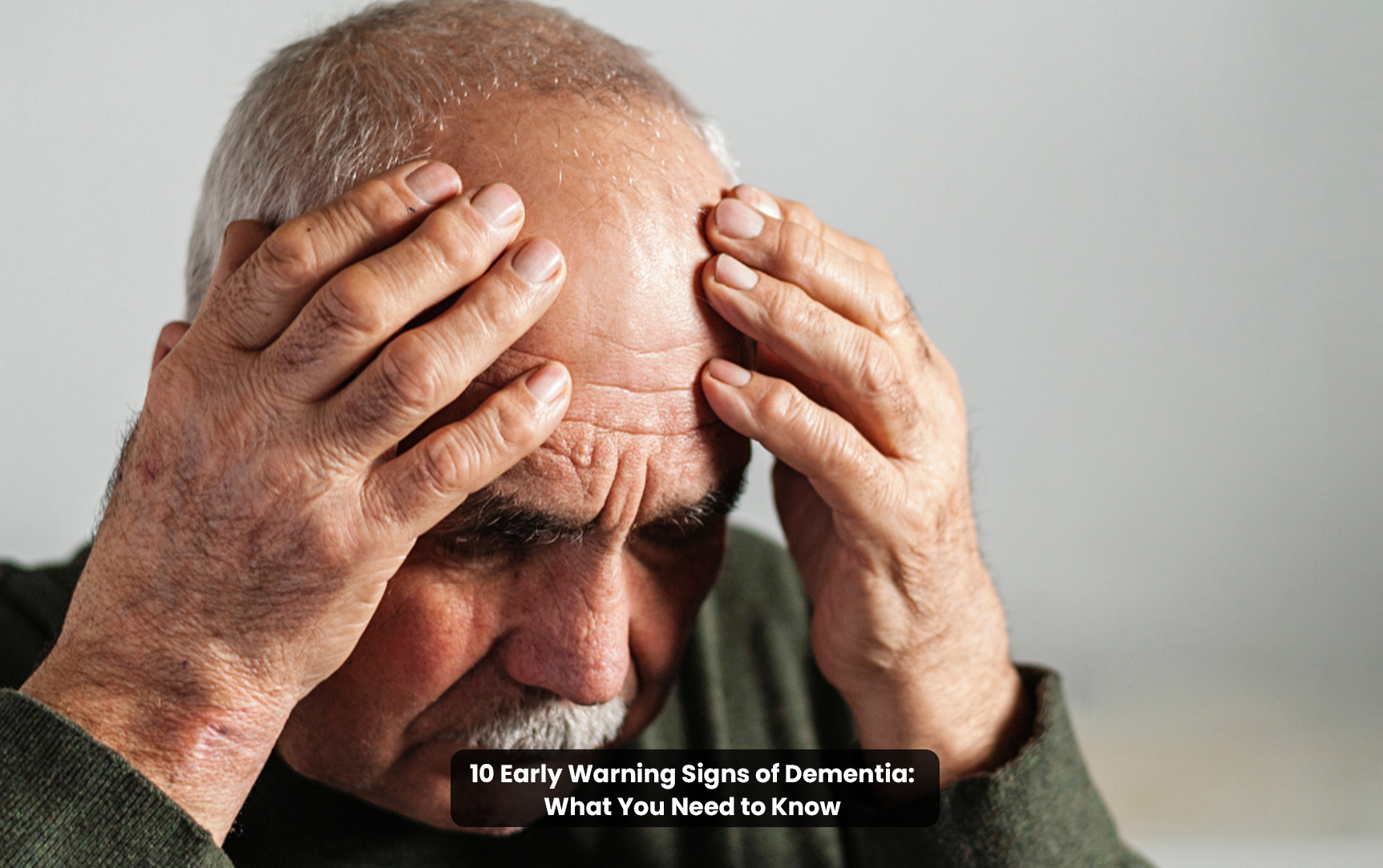
Dementia is a progressive neurological disorder that affects millions of people worldwide, leading to memory loss, cognitive decline, and changes in behavior. Detecting the early signs of dementia can be critical for timely intervention, care planning, and improving quality of life. If you or a loved one notice any of the following warning signs, it… Read More »

More Than 7 million Americans with Mild Cognitive Impairment Don’t Realize They Have It

Alzheimer’s disease is a devastating neurodegenerative condition that gradually erodes memory, thinking, and independence. It affects millions worldwide, but a striking fact stands out: women are disproportionately impacted. Nearly two‑thirds of people with Alzheimer’s in the United States are women — far more than men. While aging and longer female life expectancy partly explain this… Read More »

Could Menopause Explain Why Alzheimer’s Disease Is More Common in Women?

A Deep Dive into Hormones, Brain Health & Science** Alzheimer’s disease is a devastating neurodegenerative condition that gradually erodes memory, thinking, and independence. It affects millions worldwide, but a striking fact stands out: women are disproportionately impacted. Nearly two‑thirds of people with Alzheimer’s in the United States are women — far more than men. While… Read More »