Breast Cancer and Diet: Can Lifestyle Choices Really Lower Your Risk?
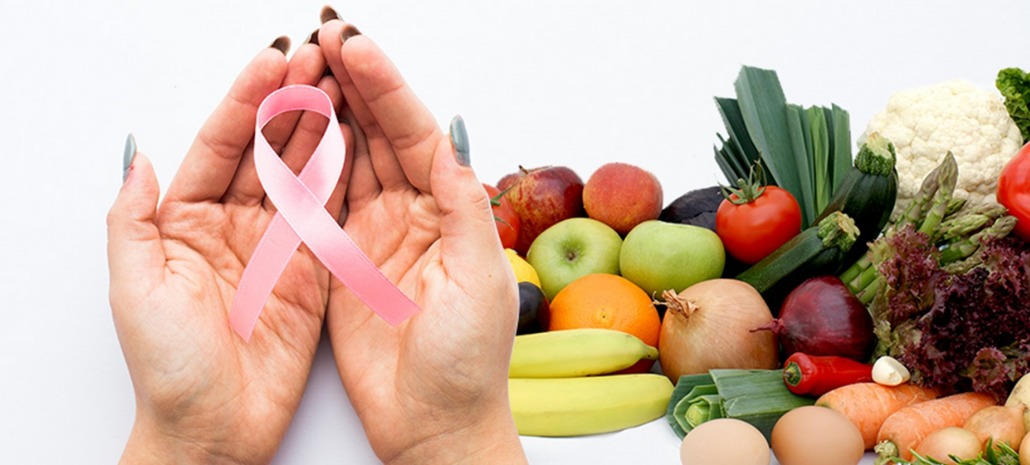
Certain characteristics, such as age and sex allocated at birth, are out of our control when it comes to breast cancer. However, studies indicate that lifestyle factors, such as your diet, level of physical activity, and even alcohol consumption, can influence your total risk. The good news? You can lessen your risk of breast cancer… Read More »
Mental Health Support When Breast Cancer Recurs: A Comprehensive Guide

When you learn that breast cancer has returned, it might feel as though everything has changed. Taking care of your emotional health is equally as important as the therapy options your medical team will discuss. In addition to improving your quality of life, emotional health can also help you maintain your fortitude while undergoing treatment.… Read More »

A Complete Guide to Understanding Breast Cancer Recurrence Rates

For survivors, recurrence of breast cancer is one of the most worrisome realities. Cancer can occasionally recur months or even years after a successful course of treatment. Even if many people continue to be in remission, it’s important to continue to be aware of the warning symptoms and risk factors in order to enhance early… Read More »

Understanding Breast Cancer Remission Rates: What You Need to Know

One of the best things that can happen to a patient throughout therapy is breast cancer remission. Remission, as used in medicine, is when imaging tests show no evidence of breast cancer. Remission, however, signifies much more to patients and their families—it’s a time of relief, hope, and the potential to resume life after a… Read More »

Healthy Aging in Breast Cancer Remission: Strategies for Long-Term Wellness

Being in remission from breast cancer is a huge accomplishment, but it also signals the start of a new phase in long-term health care. Your current decisions about exercise, diet, mental health, sleep, and preventive care may have a long-term effect on your health. Research suggests that healthy lifestyle habits not only improve quality of… Read More »

What Are Your Possible Risk Factors for Breast Cancer?

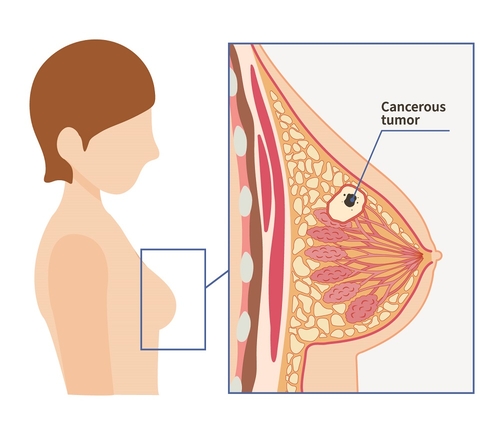
Breast cancer is one of the most common cancers affecting women — but it doesn’t affect everyone the same way. Your risk depends on a mix of genetic, biological, and lifestyle factors. Some of these you can control, while others are completely out of your hands. Understanding these risk factors can help you make more… Read More »

What Are the Early Signs and Symptoms of Breast Cancer?

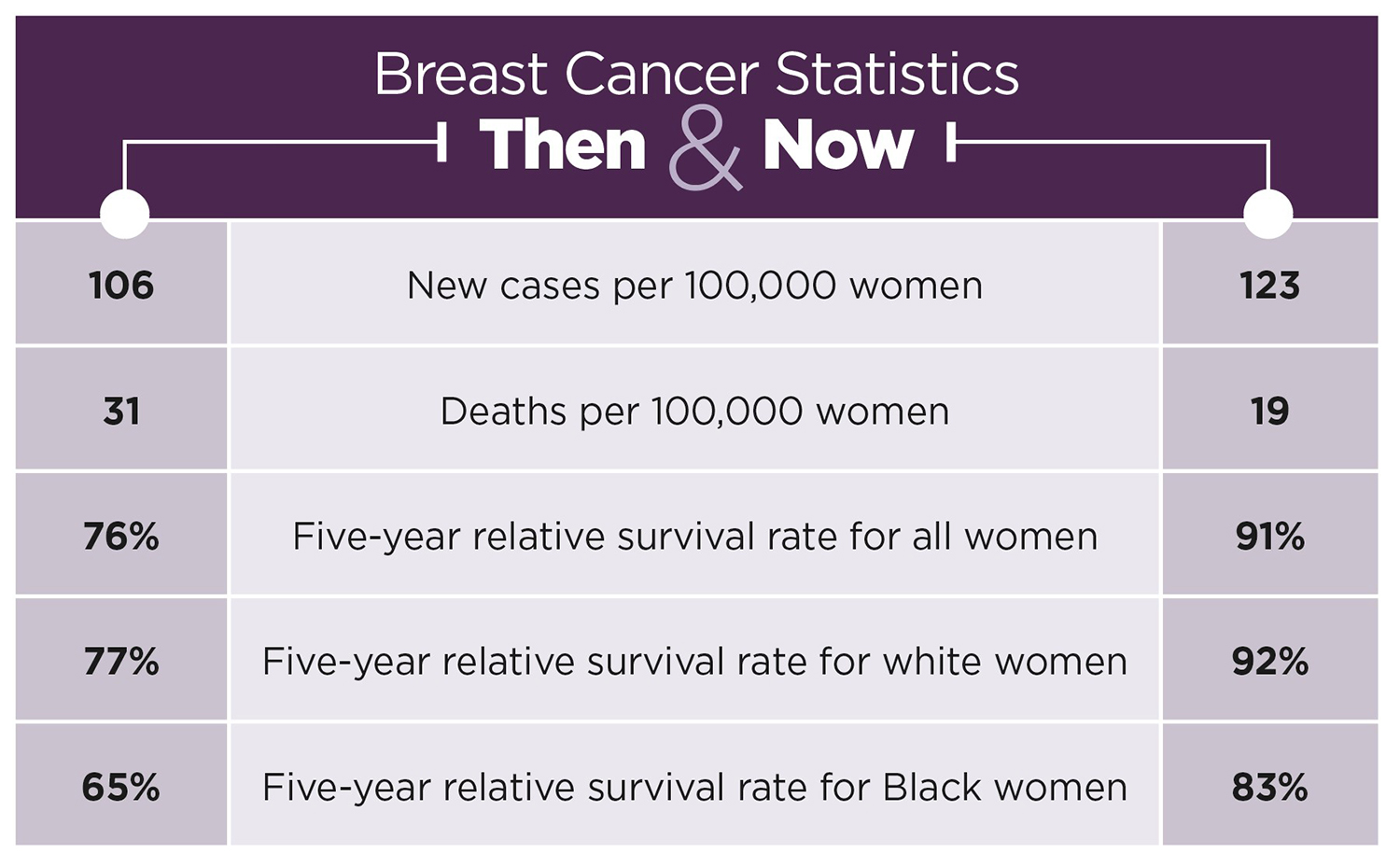
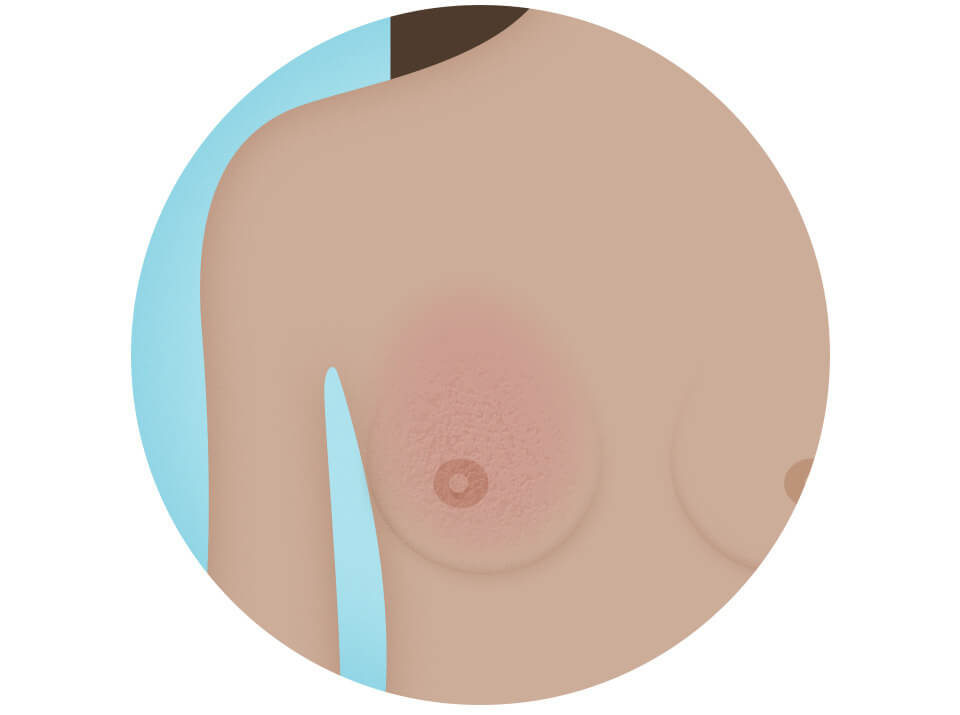
Breast cancer is one of the most common cancers worldwide, but the good news is that it’s also one of the most treatable—especially when detected early. While a breast lump is often the first warning sign, not everyone with breast cancer will develop one. In fact, research shows that 1 in 6 people diagnosed with… Read More »

The Importance of Breast Cancer Screening and Early Detection

Breast cancer is one of the most common cancers worldwide, but the good news is that survival rates are much higher when it’s detected early. Regular screenings are one of the most powerful tools we have to catch breast cancer before it develops into a more serious stage. In this article, we’ll break down the… Read More »

Science or Snake Oil: Can a Detox Actually Cleanse Your Liver?

Walk into any health store or scroll through social media, and you’ll see endless “liver detox” teas, supplements, and cleanses promising to flush out toxins, boost energy, and restore vitality. But here’s the big question: Is there any science behind them—or are they just expensive snake oil? Your Liver: Nature’s Ultimate Detox Machine Before you… Read More »

Which is deadlier – herbal remedies or conventional medicines?

Short answer: in absolute numbers, conventional (prescription) medicines account for more deaths—but that’s largely because they’re used by far more people, for more severe illnesses, at higher potencies, and are tracked more rigorously. Herbal remedies aren’t automatically “safer.” Their risks are often under-reported, under-studied, and highly variable (purity, dose, and interactions), so comparing “which is… Read More »