Understanding the Progression of Alzheimer’s Disease
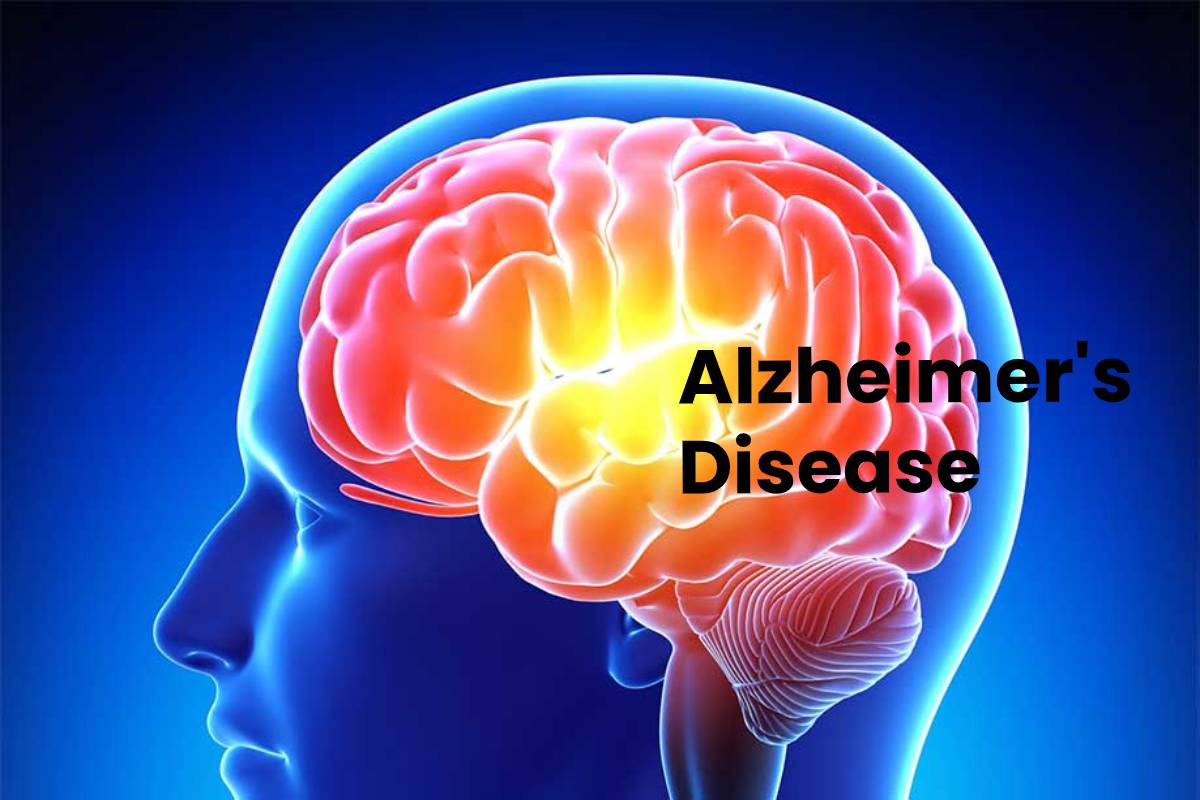
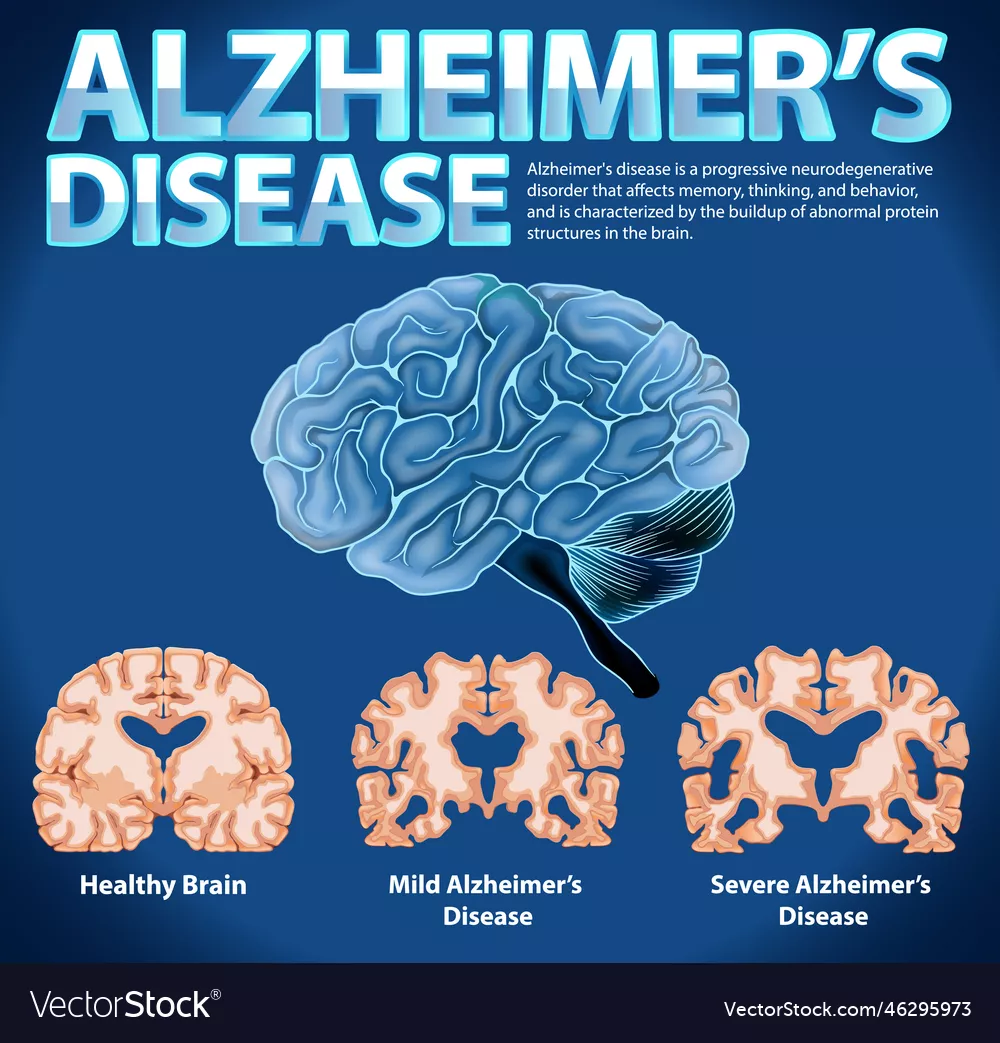
Alzheimer’s disease is a progressive neurological disorder that gradually impairs memory, thinking, and behavior. It is the most common cause of dementia in older adults, affecting millions of people worldwide. Understanding how Alzheimer’s progresses helps caregivers, patients, and loved ones anticipate changes, plan for the future, and seek appropriate care and support. In this article,… Read More »


How To Care for Someone With Alzheimer’s Disease: A Complete Guide for Caregivers

Caring for someone with Alzheimer’s disease can be emotionally challenging, physically demanding, and deeply personal. Alzheimer’s is a progressive neurological disorder that affects memory, thinking, behavior, and the ability to perform everyday activities. Whether you are a family member, friend, or professional caregiver, understanding how to provide compassionate and effective care can significantly improve the… Read More »

Eating More Fruits and Vegetables Could Lower Your Risk of Alzheimer’s

Alzheimer’s disease is one of the most common and devastating neurological conditions worldwide. It affects memory, thinking, and behavior, gradually interfering with daily life and independence. While age and genetics play a role, growing evidence suggests that diet and lifestyle choices can significantly influence your risk. One of the most powerful and accessible strategies is… Read More »

Most Older Adults Don’t Know You Can Test for Alzheimer’s Disease

Alzheimer’s disease is often viewed as something that can only be diagnosed once symptoms become severe. Many older adults and their families assume that memory loss is just a normal part of aging and that there is no reliable way to test for Alzheimer’s until it is too late. The truth is very different. Today,… Read More »

Alzheimer’s Disease Is Most Common in These Areas of the U.S.

Alzheimer’s disease is the most common form of dementia, affecting millions of Americans and placing a growing burden on families, caregivers, and the healthcare system. While the condition occurs nationwide, research consistently shows that Alzheimer’s disease is more common in certain regions of the United States. Understanding where prevalence is highest and why can help… Read More »

9 Foods That May Help Save Your Memory

Memory loss and cognitive decline are growing concerns as people juggle busy lifestyles, stress, poor sleep, and aging. While no single food can magically prevent conditions like dementia or Alzheimer’s disease, research shows that what you eat plays a major role in brain health. A nutrient-rich diet can help protect brain cells, improve focus, and… Read More »

10 Reasons You Might Have Brain Fog (and What You Can Do About It)

Brain fog is one of those frustrating experiences that’s hard to explain but easy to recognize. You might feel mentally slow, forgetful, unfocused, or like your thoughts are wrapped in cotton. While brain fog is not a medical diagnosis on its own, it is a very real symptom that can affect your productivity, mood, and… Read More »

What to Know About Using Birth Control and Antidepressants

If you use birth control, take antidepressants, or both, you’re not alone. Millions of people manage their mental health and reproductive health at the same time. Still, it’s normal to wonder: Do these medications affect each other? Will one make the other less effective? Could side effects get worse? Let’s walk through what actually matters—without… Read More »

Is There a Connection Between Semaglutide (Ozempic) and Birth Control?

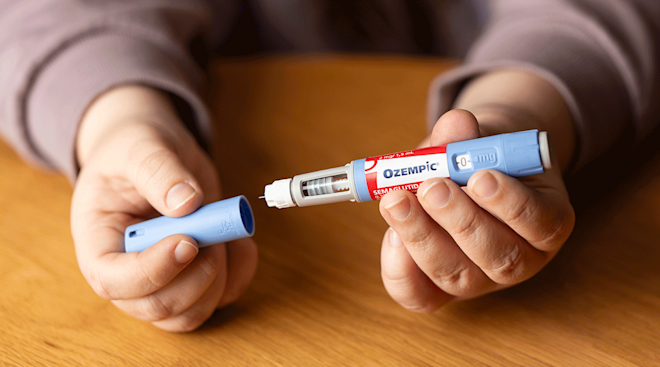
If you’re taking semaglutide (better known by brand names like Ozempic, Wegovy, or Rybelsus) and you also use birth control, you may have seen some worrying posts online. Questions like: Let’s slow things down and talk about this clearly, honestly, and without the medical jargon overload. This article breaks down what we know, what we… Read More »

Is There a Connection Between HPV Risk and Hormonal Birth Control?

Human papillomavirus (HPV) is one of the most common sexually transmitted infections in the world. Most people who get HPV never even know they have it because the virus often goes away on its own. But some kinds of HPV — called high-risk HPV types — can stick around longer and increase the chance of… Read More »