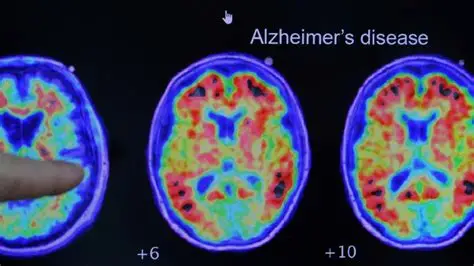
Alzheimer’s disease is widely known as a condition that affects older adults, but what happens when it strikes people younger than 65? That’s where early‑onset Alzheimer’s disease comes into focus — a rare, often misunderstood form of dementia that presents unique challenges for patients, caregivers, and clinicians alike.
In this comprehensive guide, we’ll break down everything you need to know about early‑onset Alzheimer’s disease (EOAD), from what it is to risk factors, symptoms, diagnosis, treatment options, and how it differs from late‑onset Alzheimer’s.
🧠 What Is Early‑Onset Alzheimer’s Disease?
Early‑onset Alzheimer’s disease refers to Alzheimer’s diagnosed before the age of 65. It’s sometimes called younger‑onset Alzheimer’s disease (YOAD). Though Alzheimer’s is most common in people over 65, about 5% to 10% of all Alzheimer’s cases are early‑onset.
While EOAD can occur in people as young as their 30s or 40s, most cases are typically diagnosed in the 40–60 age range.
📊 How Common Is It?
- EOAD makes up approximately 5% to 10% of all Alzheimer’s cases.
- Most individuals with EOAD are in their 40s and 50s when symptoms first appear.
This rarity, combined with its early age of onset, can lead to delays and misdiagnoses. Many patients are initially thought to have stress, depression, or other psychiatric conditions before proper evaluation.
🧬 Causes and Risk Factors
1. Genetic Factors
A small portion of EOAD cases are familial, meaning they are directly caused by rare genetic mutations that almost guarantee disease development. These can involve:
- APP (amyloid precursor protein)
- PSEN1 (presenilin‑1)
- PSEN2 (presenilin‑2)
These inherited mutations are uncommon but highly predictive when present.
2. Sporadic Cases
Most EOAD cases do not arise from these rare genes. Instead, the exact cause isn’t fully understood — though researchers suspect a mix of genetics, lifestyle, and environmental factors.
3. Other Risk Factors
Although research is ongoing, some factors being explored include:
- Family history of Alzheimer’s
- Traumatic brain injury
- Cardiovascular disease or diabetes
- High blood pressure and high cholesterol
- Smoking and obesity
Unlike late‑onset Alzheimer’s, where age is the strongest risk factor, EOAD has a higher proportion of genetic and atypical presentations.
🧠 Symptoms: What to Watch For
EOAD symptoms may look similar to those in older adults, but they can start subtly and vary more widely:
Early Signs
- Frequent memory lapses, especially for recent events
- Trouble solving simple problems or managing finances
- Difficulty finding the right words
- Losing track of time or place
- Visual or spatial challenges
- Mood changes or withdrawal from work/social life
Later Symptoms
- Severe memory loss
- Increased confusion and disorientation
- Trouble speaking, walking, or swallowing
- Behavioral changes and mood swings
- Difficulty performing daily tasks independently
Some EOAD patients also present non‑memory symptoms first, such as visual or language issues, which may delay diagnosis.
🔍 Diagnosis
Diagnosing EOAD involves:
- Medical history and cognitive assessments
- Neuropsychological testing
- Brain imaging (MRI, CT scans)
- Blood and spinal fluid tests
Currently, there’s no single definitive test for Alzheimer’s — but research into biomarkers like amyloid and tau proteins is advancing rapidly, even pointing toward blood tests capable of early detection.
💊 Can It Be Treated or Prevented?
Is There a Cure?
There’s no cure for early‑onset Alzheimer’s yet. Treatment focuses on slowing symptom progression and improving quality of life.
Common Treatments
- Medications to support cognitive function
- Behavioral support for mood and daily functioning
- Lifestyle interventions (exercise, brain training)
Researchers are actively exploring therapies that target the underlying biological mechanisms of Alzheimer’s.
Prevention
There’s no proven way to prevent EOAD, but generally brain‑healthy habits — regular physical activity, a balanced diet, social engagement, and managing cardiovascular risk factors — may contribute to overall brain health.
🤝 Living With Early‑Onset Alzheimer’s
A diagnosis of EOAD impacts not only the individual but also families, careers, and finances. Early planning for care, legal matters, and emotional support is critical. Support groups and organizations like the Alzheimer’s Association can help connect patients and caregivers with resources.
🆚 Early vs. Late‑Onset Alzheimer’s
While both share core features, key differences include:
| Feature | Early‑Onset | Late‑Onset |
|---|---|---|
| Age at onset | < 65 years | ≥ 65 years |
| Frequency | ~5–10% of cases | ~90–95% of cases |
| Genetic links | Stronger (familial) | Often complex, multifactorial |
| Symptoms | More atypical presentations | Memory loss often dominant early |
📌 Final Thoughts
Early‑onset Alzheimer’s disease is a complex and challenging condition that demands awareness, early recognition, and compassionate care. Although rare, its impact is profound — especially during prime working and family years.
If you suspect you or a loved one may be showing signs of cognitive decline at a young age, don’t wait to consult a healthcare provider. Early evaluation can lead to better planning, support, and access to emerging treatments.

