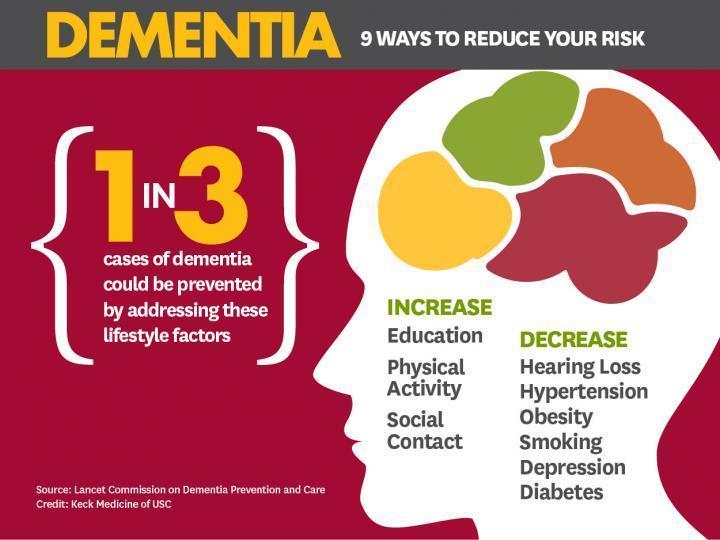
Dementia affects millions of people worldwide, yet many cases may be delayed or even prevented by proactively addressing key lifestyle and health risk factors. While aging remains the strongest known risk factor, research shows that up to 40% of dementia cases could be linked to modifiable risks such as physical inactivity, smoking, and unmanaged cardiovascular conditions.¹ In this article, we’ll break down the major risk factors and provide science‑backed strategies to protect your brain health for life.
🧠 What Is Dementia?
Dementia is a broad term for progressive cognitive decline that interferes with daily living. Alzheimer’s disease is the most common type, but there are others such as vascular dementia, Lewy body dementia, and frontotemporal dementia. Symptoms can include memory loss, difficulty thinking or problem‑solving, and changes in mood or behavior.
For official definitions and resources, visit the Alzheimer’s Association.
🧩 Modifiable Risk Factors You Can Address
1. Keep Your Heart Healthy
Why it matters: Your brain depends on a healthy cardiovascular system. Conditions like high blood pressure, high cholesterol, and diabetes impair blood flow and increase the risk of dementia.
What to do:
- Get regular screenings for blood pressure, cholesterol, and glucose.
- Follow your healthcare provider’s advice on diet, exercise, and medications.
- Eat heart‑healthy foods such as leafy greens, whole grains, and fatty fish.
👉 Heart and Brain Connection: The American Heart Association offers excellent resources on reducing cardiovascular disease risk.
2. Stay Physically Active
Why it matters: Exercise increases blood flow to the brain, supports neuroplasticity, and reduces inflammation — all key to maintaining cognitive function.
Tips to move more:
- Aim for at least 150 minutes of moderate exercise per week (e.g., brisk walking, swimming).
- Include strength training twice a week.
- Break up long periods of sitting.
Breaking your physical goals into manageable steps improves long‑term adherence.
3. Prioritize Quality Sleep
Why it matters: Sleep plays a crucial role in brain repair and clearing toxic proteins, including beta‑amyloid — a hallmark of Alzheimer’s disease.
Improve your sleep with:
- Regular sleep schedules
- Reducing caffeine and screen time before bed
- Managing sleep disorders (e.g., sleep apnea)
According to the National Institute on Aging, poor sleep patterns are associated with increased dementia risk.
4. Nourish Your Brain With a Healthy Diet
Diet patterns associated with brain health:
- Mediterranean Diet: Emphasizes fruits, vegetables, whole grains, fish, and olive oil.
- DASH Diet: Designed to lower blood pressure with similar benefits.
- MIND Diet: A hybrid of Mediterranean and DASH, specifically focused on brain health.
Studies show that these diets may reduce the risk of cognitive decline and dementia.
5. Challenge Your Mind
Why it matters: Mental stimulation builds cognitive reserve — your brain’s ability to cope with damage.
Ways to keep learning:
- Learn a new language or instrument
- Engage in puzzles and board games
- Take up creative hobbies like writing or painting
Lifelong learning strengthens neural connections and supports resilience.
6. Stay Socially Connected
Isolation and loneliness are linked with cognitive decline. Maintaining strong social ties — with family, friends, or community groups — supports emotional health and mental engagement.
Ways to connect:
- Join clubs, volunteer, or attend group classes
- Use video calls to stay in touch with loved ones
- Meet new people through hobby groups
The National Institute on Aging highlights the importance of social interaction for aging brains.
7. Avoid Tobacco and Limit Alcohol
Tobacco: Smoking increases oxidative stress, vascular damage, and amyloid deposition — all dangerous for brain health.
Alcohol: Heavy drinking is linked to brain shrinkage and cognitive impairment.
What you can do:
- Seek smoking cessation programs
- Follow guidelines for moderate alcohol consumption
Reducing these exposures significantly lowers dementia risk.
🧪 Emerging Tools & Health Monitoring
Regular check‑ups and preventive screenings help identify issues before they impact the brain. Talk with your doctor about:
- Cognitive assessments
- Blood pressure and diabetes monitoring
- Genetic counseling if you have a strong family history
Being proactive empowers you to make informed decisions.
🧠 A Holistic Approach for Lifelong Brain Health
While no single intervention guarantees prevention, combining lifestyle changes has the greatest impact. The consensus from major research institutions suggests:
✔ Healthy diet
✔ Regular exercise
✔ Adequate sleep
✔ Social engagement
✔ Mental stimulation
✔ Management of cardiovascular risk factors
Together, these strategies promote not only brain health but overall well‑being.
📌 Final Thoughts
Dementia is not an inevitable part of aging. By addressing modifiable risk factors today, you can significantly improve your cognitive prospects tomorrow. Start small, stay consistent, and consult health professionals when needed.
For more dementia prevention strategies and resources, visit:
- Alzheimer’s Association – https://www.alz.org
- National Institute on Aging – https://www.nia.nih.gov

