
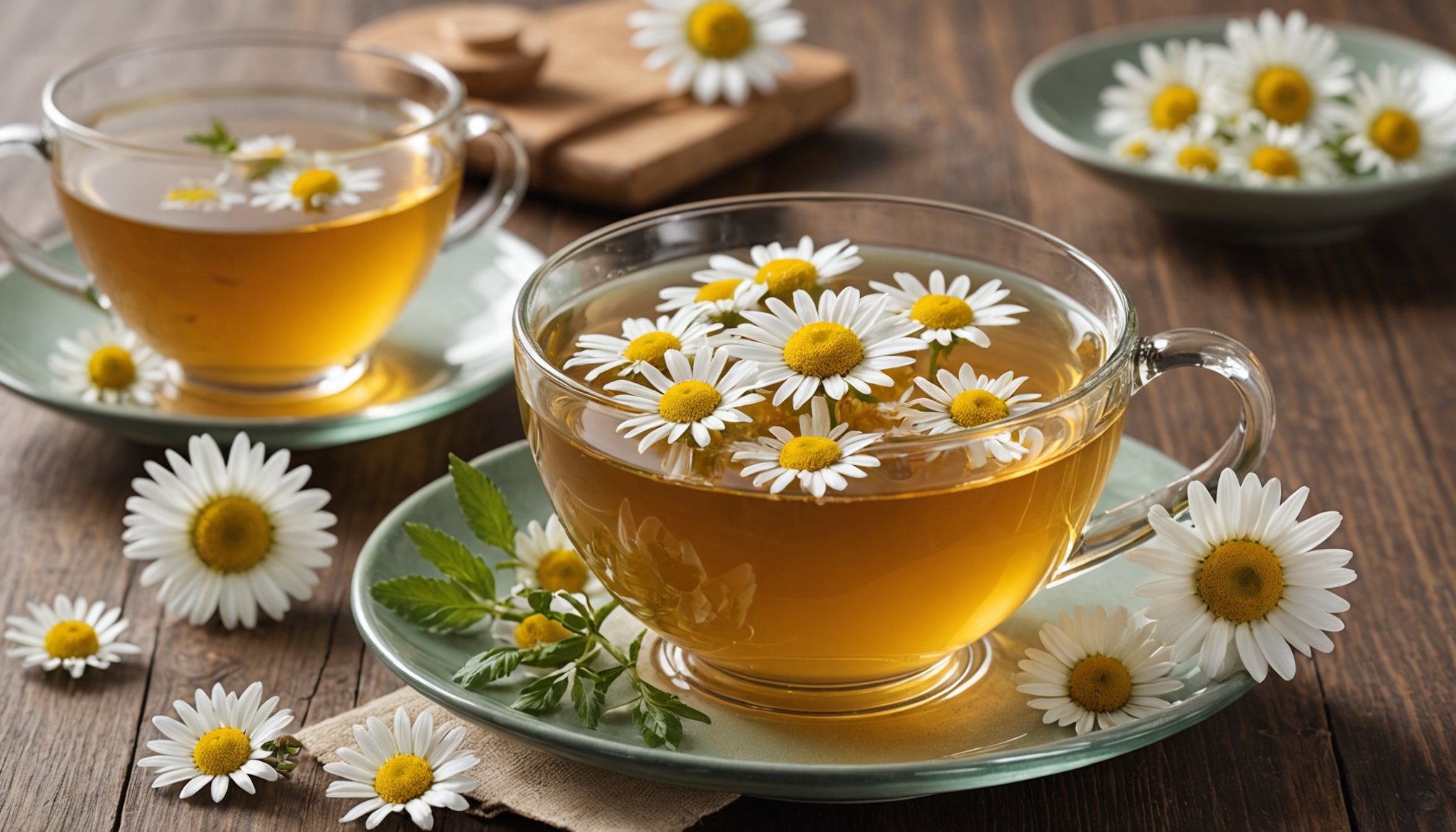
Chamomile tea benefits for relaxation stem from its ability to activate your parasympathetic nervous system, the part of your body responsible for the “rest and digest” response. This ancient herb contains specific compounds that interact with your brain’s receptors to produce genuine calming effects. You’ll discover how chamomile works at the cellular level, why it differs from other herbal teas, and practical methods to maximize its relaxation potential.
The Active Compounds Behind Chamomile’s Calming Effect
Apigenin and GABA Receptor Binding
Apigenin, a flavonoid found abundantly in chamomile, functions similarly to how benzodiazepines work in your body, but without the dependency risks or side effects. This compound binds to GABA receptors in your brain, which are the same receptors targeted by anti-anxiety medications. When apigenin attaches to these receptors, it opens chloride channels that reduce neuronal excitability, essentially lowering the electrical activity that produces anxious thoughts and physical tension.
Research examining chamomile’s effects has shown that people who consume chamomile tea experience measurable changes in brain wave patterns. The beta waves associated with active thinking and worry decrease, while alpha waves associated with relaxed alertness increase. This shift happens gradually over 20 to 40 minutes of consumption, making chamomile less of an immediate sedative and more of a gentle neurological reset.
Bisabolol and Inflammation Reduction
Bisabolol, another key compound in chamomile, works through a different mechanism than apigenin. This molecule reduces inflammatory markers throughout your body, including cytokines that are often elevated during stress responses. When your body is under chronic stress, inflammatory compounds accumulate, creating a cycle where inflammation triggers more stress hormones. Bisabolol interrupts this cycle by decreasing baseline inflammation, which in turn reduces the physical sensation of tension and restlessness.
The anti-inflammatory action of bisabolol extends beyond immediate relaxation. Regular chamomile tea consumption has been associated with lower overall inflammation markers, meaning the cumulative effect supports both short-term calm and long-term nervous system resilience. This distinguishes chamomile from stimulating herbs and connects it to broader health maintenance patterns similar to what you might consider when reviewing health, herbs, diseases, nutrition & diet comparison 2026.
How Chamomile Affects Your Sleep and Rest Cycles
Non-Sedative Relaxation Versus Sleep Induction
Many people confuse chamomile’s relaxing properties with sedation, but these are distinct mechanisms. Chamomile does not force your body into sleep; instead, it removes the obstacles preventing natural sleep. When your mind races with thoughts or your muscles hold tension, your nervous system cannot shift into sleep mode. By calming mental chatter and releasing muscular tension, chamomile allows your sleep-wake cycle to function normally.
This distinction matters practically. Drinking chamomile tea in the afternoon will not leave you drowsy, but it will reduce afternoon anxiety and make the evening transition smoother. People who drink chamomile regularly report feeling naturally tired at appropriate times rather than fighting wakefulness throughout the day. This normalization of sleep architecture represents one of the most underappreciated benefits of regular chamomile consumption.
REM Sleep and Dream Quality
Studies examining sleep quality in chamomile consumers have noted improvements in REM sleep patterns. REM sleep is the stage where your brain processes emotions, consolidates memories, and maintains emotional regulation. When stress levels are high, REM sleep often becomes fragmented and insufficient. By reducing baseline anxiety through regular chamomile tea consumption, people spend more time in continuous REM sleep, resulting in better emotional processing and clearer thinking the following day.
The practical experience of improved REM sleep manifests as better mood consistency, fewer intrusive thoughts, and enhanced creative problem-solving. People who have incorporated chamomile tea into evening routines report not only feeling more rested but also noticing that problems feel less overwhelming when approached after a night of better sleep quality.
Chamomile Tea Versus Other Relaxation Herbs and Methods
Comparing Chamomile to Passionflower and Valerian
| Herb | Primary Active Compound | Onset Time | Best Use Case | Taste Profile |
|---|---|---|---|---|
| Chamomile | Apigenin, Bisabolol | 20-40 minutes | Daily relaxation, afternoon calm | Mild, apple-like, pleasant |
| Passionflower | Maltol, GABA alkaloids | 30-60 minutes | Anxious thoughts, racing mind | Grassy, slightly floral |
| Valerian | Valerenic acid | 1-3 hours | Sleep onset, evening use only | Strong, earthy, pungent |
Chamomile stands out among relaxation herbs for its gentleness and versatility. While valerian root is stronger and better suited for bedtime, it tastes unpleasant and can cause grogginess if consumed during the day. Passionflower offers deeper anxiety relief but works more slowly. Chamomile fills the practical middle ground: it works reliably for daily stress without side effects, tastes pleasant enough to drink multiple times daily, and does not interfere with daytime alertness or productivity.
Chamomile Tea Versus Meditation and Exercise
Comparing chamomile to behavioral approaches like meditation and exercise reveals that these methods are complementary rather than competitive. Exercise and meditation both require active mental engagement and willpower, making them difficult to maintain during high-stress periods. Chamomile tea requires no effort—you simply brew and drink it. This passivity actually becomes an advantage during periods when your stress levels are too high for disciplined practice.
The ideal approach combines all three. Drinking chamomile tea reduces baseline anxiety, making it easier to maintain meditation and exercise routines. Many people find that starting their morning with chamomile tea creates a calm enough mental state to meditate effectively. Similarly, consuming chamomile before or after exercise supports recovery by lowering post-exercise cortisol levels and allowing parasympathetic nervous system activation despite the physical stress of exertion.
Practical Protocols for Maximum Relaxation Benefits
Optimal Brewing Method and Temperature
How you prepare chamomile tea significantly affects its potency and the relaxation benefits you experience. Loose dried chamomile flowers steeped at 160-170°F (70-75°C) for 8-10 minutes extracts more active compounds than higher temperatures or shorter steeping times. Boiling water (212°F) actually degrades some of apigenin’s effectiveness while creating a slightly bitter taste that discourages regular consumption.
The steeping duration matters because apigenin and bisabolol release gradually into hot water. At 5 minutes, you’ve extracted perhaps 40% of the available compounds. At 10 minutes, you’ve reached closer to 80% extraction. Beyond 10 minutes, the extraction plateaus and bitterness increases without additional benefit. Using a covered cup or teapot during steeping prevents volatile compounds from escaping, intensifying the tea’s potency.
- Use 1-2 teaspoons of dried chamomile flowers per 8 ounces of water
- Heat water to 160-170°F rather than boiling
- Steep for 8-10 minutes with a cover on your cup
- Drink while warm but not piping hot for best effect
- Consume 30 minutes before you want to experience peak relaxation
Timing and Frequency for Sustained Nervous System Support
Daily chamomile consumption produces better cumulative results than occasional use. Your nervous system develops resilience through consistent exposure to calming compounds, meaning the 50th cup of chamomile you drink will produce noticeably better relaxation than the first cup. This adaptation occurs because regular exposure to apigenin increases GABA receptor sensitivity over time, making your parasympathetic nervous system more responsive to activation.
For anxiety management, drinking chamomile tea two to three times daily—morning, afternoon, and evening—produces superior results compared to single evening consumption. The afternoon cup is particularly valuable because it prevents mid-day anxiety escalation that often carries into the evening. People who consume chamomile only at night sometimes find themselves tense through the workday, then expect chamomile to reverse 8 hours of accumulated stress. Distributed throughout the day, chamomile prevents stress accumulation rather than attempting to reverse it.
Interactions and Contraindications You Should Know
Medication Interactions and Safety Profiles
Chamomile is exceptionally safe for most people, with adverse effects rare even at high doses. However, specific interactions merit attention. If you take sedative medications like benzodiazepines or sleep aids, chamomile’s GABA-enhancing effect could theoretically amplify their action, though most evidence suggests this risk is minimal. The safer approach involves spacing consumption—drink chamomile several hours apart from pharmaceutical sedatives rather than simultaneously.
Blood thinner medications like warfarin may interact with compounds in chamomile, though the risk is lower with tea consumption than with concentrated extracts. If you take blood thinners, consult your healthcare provider before significantly increasing chamomile intake. People with ragweed allergies have historically been warned against chamomile due to possible cross-reactivity, though modern evidence suggests this risk is largely theoretical. Start with small amounts if you have known ragweed sensitivity.
- Check with your doctor if you take sedative or blood-thinning medications
- Avoid concentrated chamomile extracts if pregnant (tea is generally considered safe)
- Test with small amounts if you have ragweed, aster, or chrysanthemum allergies
- Do not replace psychiatric medications with chamomile alone
- Monitor for rare allergic reactions including rash or difficulty breathing
Who Should Avoid Chamomile and When to Seek Professional Guidance
Pregnant women should consult their healthcare provider before consuming large quantities of chamomile, though occasional tea is generally regarded as safe by major health organizations. People with severe anxiety or panic disorders benefit from professional mental health support alongside chamomile, not instead of it. Chamomile provides excellent support for mild to moderate anxiety but does not replace therapy or psychiatric care when these are needed.
If you experience worsening anxiety despite regular chamomile consumption, or if your sleep disturbances involve other symptoms like chronic pain or breathing difficulties, seek professional evaluation. Chamomile works best as part of a comprehensive approach to wellness that includes stress management, exercise, and proper nutrition. Understanding your complete health picture—including your disease risk factors and overall wellness strategy—matters when incorporating any herbal remedy, whether it’s chamomile or other health interventions like those discussed in our herbs for skin health guide.
Building Long-Term Relaxation Resilience With Chamomile
Cumulative Benefits Beyond Immediate Calm
While the immediate relaxation from a cup of chamomile tea is pleasant, the real benefits emerge over weeks and months of consistent consumption. Your nervous system gradually becomes more responsive to parasympathetic activation, meaning you need less effort (or less tea) to achieve the same relaxation level. Additionally, consistent chamomile consumption appears to reduce your baseline stress hormone levels, meaning you start each day from a calmer baseline.
People who have maintained daily chamomile routines for several months report noticing that other relaxation methods—meditation, exercise, stretching—become more effective. This synergistic effect happens because a calmer baseline nervous system is more responsive to all relaxation techniques. You’re not fighting against chronic stress while trying to relax; instead, you’re fine-tuning an already-calm system. This represents a meaningful shift in your stress capacity and overall resilience.
Combining Chamomile With Complementary Practices
Chamomile works exceptionally well as part of a broader relaxation practice. Many people incorporate chamomile tea into evening wind-down routines that might include soft lighting, reduced screen time, gentle stretching, or journaling. The ritual of preparing tea—boiling water, waiting for steeping, holding a warm cup—contributes to relaxation beyond the biochemical effects of the herb itself. This multisensory experience signals to your nervous system that you’re transitioning to a calmer state.
The sensory experience of chamomile—its mild apple aroma, the warmth of the cup in your hands, the gentle taste—activates your parasympathetic nervous system through multiple pathways simultaneously. When combined with other calming practices, chamomile becomes part of a comprehensive relaxation system rather than a single intervention. This integrated approach to wellness aligns with understanding how health, herbs, diseases, nutrition & diet comparison 2026 shows multiple factors working together for optimal wellbeing.
Frequently Asked Questions
How long does it take for chamomile tea to work for relaxation?
Chamomile typically begins producing noticeable relaxation effects within 20 to 40 minutes of consumption. The onset time depends on whether you’ve eaten recently (food slows absorption), your baseline anxiety level, and how regularly you drink chamomile. With consistent daily use, you may notice faster onset times and deeper effects. First-time users sometimes expect dramatic immediate effects similar to pharmaceutical sedatives, but chamomile works more subtly through gradually shifting your nervous system state.
Can you drink chamomile tea every day safely?
Yes, chamomile tea is safe for daily consumption for most adults. In fact, consistent daily use produces better results than occasional consumption because your nervous system builds responsiveness to apigenin over time. Some people drink 2-3 cups daily without adverse effects. The only exceptions involve people taking blood-thinning medications or those with specific allergies. When in doubt about your individual situation, discuss daily chamomile consumption with your healthcare provider.
Does chamomile tea lose its effectiveness over time?
No, chamomile does not typically lose effectiveness with regular use the way some substances do. Your nervous system becomes more responsive to chamomile with consistent consumption rather than developing tolerance. However, dried chamomile flowers do lose potency as they age. After 6-12 months of storage, the active compounds gradually degrade. Purchasing fresh chamomile periodically and storing it in a cool, dark place ensures you’re getting full potency from your tea.
Is chamomile tea better than chamomile supplements or extracts?
For relaxation purposes, chamomile tea offers advantages over extracts because the ritual and sensory experience contribute to the calming effect. Tea is also gentler and produces more gradual effects, reducing the risk of overshooting your desired relaxation level. Extracts are concentrated and faster-acting, which some people prefer for acute anxiety, but they bypass the beneficial ritual aspects and may produce excessive sedation. Tea generally offers the optimal balance of efficacy, safety, and user experience for daily relaxation.
Can chamomile replace anxiety medication?
Chamomile works well for mild anxiety and stress management but should not replace prescription anxiety or antidepressant medications without professional guidance. If you’re considering reducing psychiatric medications, work with your prescribing doctor to develop a safe plan. Chamomile complements professional mental health treatment and can be used alongside medications. For moderate to severe anxiety disorders, proper diagnosis and treatment through a mental health professional remain essential, with chamomile serving as a supportive tool in a comprehensive approach.
Conclusion
Chamomile tea benefits for relaxation rest on solid biochemical foundations, particularly through apigenin’s interaction with GABA receptors and bisabolol’s anti-inflammatory effects. Unlike other relaxation methods that require active engagement, chamomile works passively through the act of sipping tea, making it an accessible option during high-stress periods when your motivation for exercise or meditation may be low. The gentle, cumulative nature of chamomile’s effects means that consistent daily consumption produces substantially better results than occasional use, with many people noticing significant nervous system shifts within 2-4 weeks.
Your approach to relaxation and stress management becomes most effective when you employ multiple complementary strategies. Chamomile tea serves as an excellent foundation—a passive daily practice that gradually increases your nervous system’s resilience and baseline calm. Combined with exercise, meditation, proper nutrition, and professional support when needed, chamomile contributes to a comprehensive wellness strategy. Whether you’re managing everyday stress or supporting yourself through a particularly demanding period, brewing a cup of chamomile tea represents a simple, evidence-supported action you can take immediately. Start with quality dried chamomile flowers, use proper brewing technique, and commit to consistent daily consumption for at least three weeks to experience the full benefits of this gentle but effective herb.

