
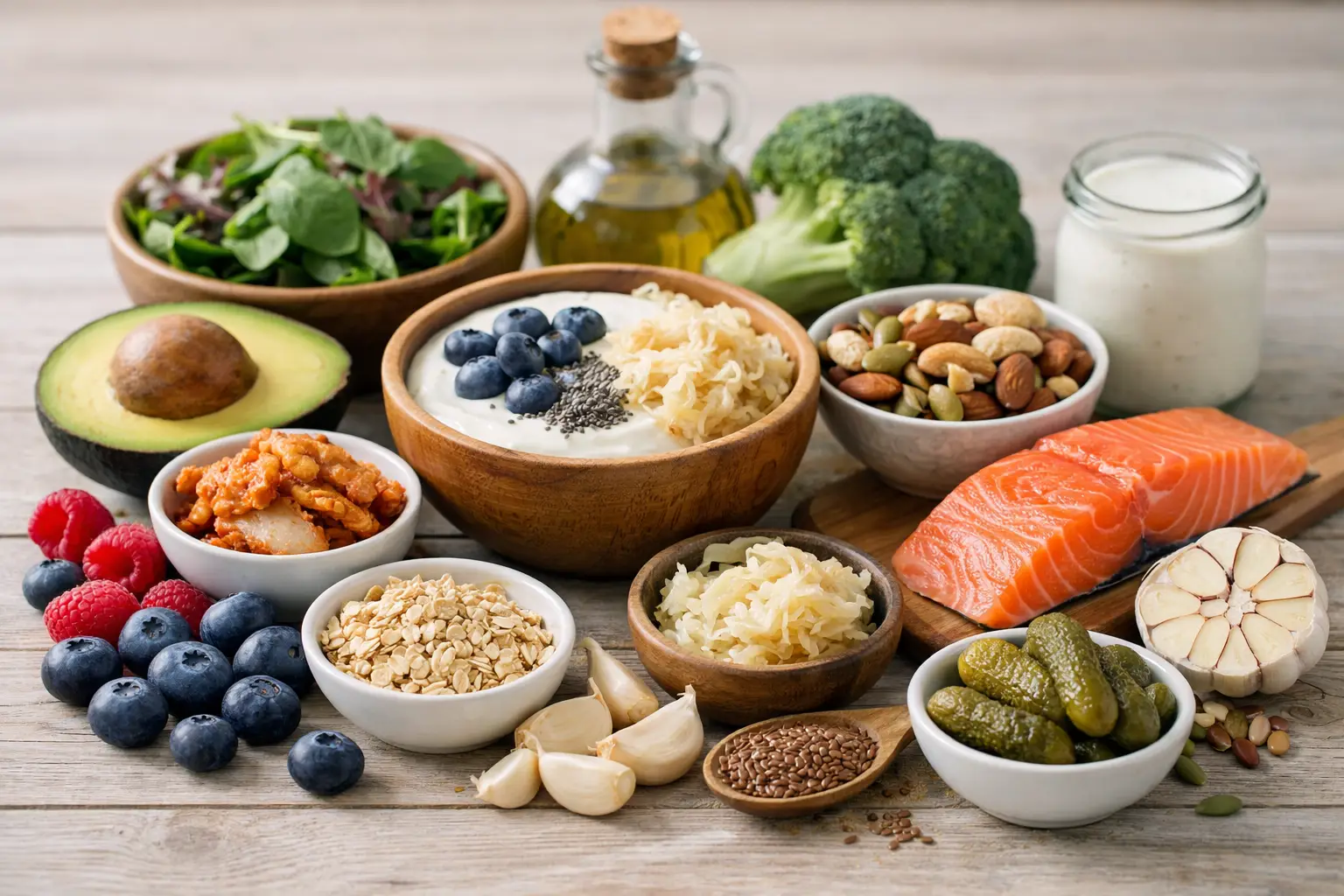
Bloating after a normal meal, irregular bathroom habits, and that heavy, uncomfortable feeling in your stomach can all point to the same issue: your gut may need better support. The best foods for gut health can help nourish beneficial bacteria, improve digestion, and make everyday eating feel a lot better.
Your gut does more than process food. It also plays a role in immune function, nutrient absorption, and even how steady your energy feels throughout the day. That is why the foods you eat regularly matter so much. Some foods feed healthy gut bacteria, while others introduce beneficial microbes directly. The real goal is not a perfect diet. It is eating in a way that helps your digestive system work with less stress.
What makes a food good for gut health?
The strongest gut-friendly foods usually fall into two categories: probiotic foods and prebiotic foods. Probiotic foods contain live beneficial bacteria. Prebiotic foods contain fibers and compounds that feed those bacteria once they are already in your gut.
Both matter. If you only focus on probiotics but your diet is low in fiber, those good bacteria may not thrive. On the other hand, if you eat lots of fiber but very little variety, your gut may still miss out on balance. This is where a simple, mixed approach works best.
Best foods for gut health to add to your meals
Yogurt is one of the easiest places to start. Plain yogurt with live active cultures can support the gut microbiome and is often better tolerated than milk for some people. Choose versions with low added sugar, since heavily sweetened yogurt can work against your health goals.
Kefir is another smart option. It is a fermented milk drink that usually contains a wider range of beneficial bacteria and yeast than yogurt. Many people like it in smoothies, but it can also be poured over fruit or oats.
Sauerkraut and kimchi bring fermented vegetables into the mix. These foods can supply probiotics, but quality matters. Shelf-stable versions are sometimes pasteurized, which may reduce live cultures. They can still offer nutritional value, but the probiotic effect may be lower.
High-fiber fruits are also among the best foods for gut health. Apples, berries, bananas, and pears help feed good bacteria while supporting regular bowel movements. Slightly green bananas are especially rich in resistant starch, a type of carbohydrate that acts like food for your gut microbes.
Beans and lentils are powerful but underrated. They are packed with fiber and prebiotics, and they can help improve gut diversity over time. If they make you gassy, start with small portions and increase gradually. Your gut often adjusts.
Oats are gentle, affordable, and helpful for digestion. They contain beta-glucan, a type of soluble fiber that supports both gut and heart health. A simple bowl of oatmeal can be one of the easiest daily habits for better digestion.
Garlic, onions, leeks, and asparagus are rich in prebiotic compounds. These foods help feed beneficial bacteria, but they are not ideal for everyone. People with irritable bowel syndrome may find that large amounts trigger symptoms. In that case, portion size matters.
Chia seeds and flaxseeds deserve attention too. They add fiber, support bowel regularity, and are easy to mix into yogurt, oatmeal, or smoothies. Flaxseeds should be ground for the best digestion and absorption.
Whole grains such as barley, brown rice, and whole wheat can also support the gut by adding more fermentable fiber to your diet. The key is choosing grains that are less processed, since highly refined grains lose much of the fiber your gut bacteria use.
Foods that can work against your gut
Gut health is not only about what to add. It is also about what may be crowding out better choices. Diets high in ultra-processed foods, excess sugar, and low-fiber meals can reduce microbial diversity over time. That does not mean you need to give up every treat. It means your everyday pattern matters more than occasional indulgences.
Alcohol can also irritate the digestive tract in some people, especially when intake is frequent or heavy. Artificial sweeteners may bother certain individuals too. This is one of those areas where your own body gives the clearest feedback.
How to improve gut health without overcomplicating it
You do not need a trendy cleanse or a cabinet full of supplements. A more realistic approach is to add one or two gut-friendly foods each day and build from there. For example, you might have oatmeal at breakfast, add beans to lunch, and include a spoonful of sauerkraut with dinner.
Variety matters more than chasing a single superfood. Eating different plant foods across the week helps expose your gut to a wider range of fibers and beneficial compounds. Drinking enough water helps that fiber do its job, especially if you are increasing intake.
If you have ongoing digestive problems, severe bloating, blood in the stool, unexplained weight loss, or pain that does not improve, food alone may not be the full answer. In that case, it is worth speaking with a healthcare professional.
A healthier gut usually starts with ordinary foods eaten more consistently. Simple choices like yogurt, oats, berries, beans, and fermented vegetables may not look dramatic on your plate, but over time they can make a real difference in how you feel.

