
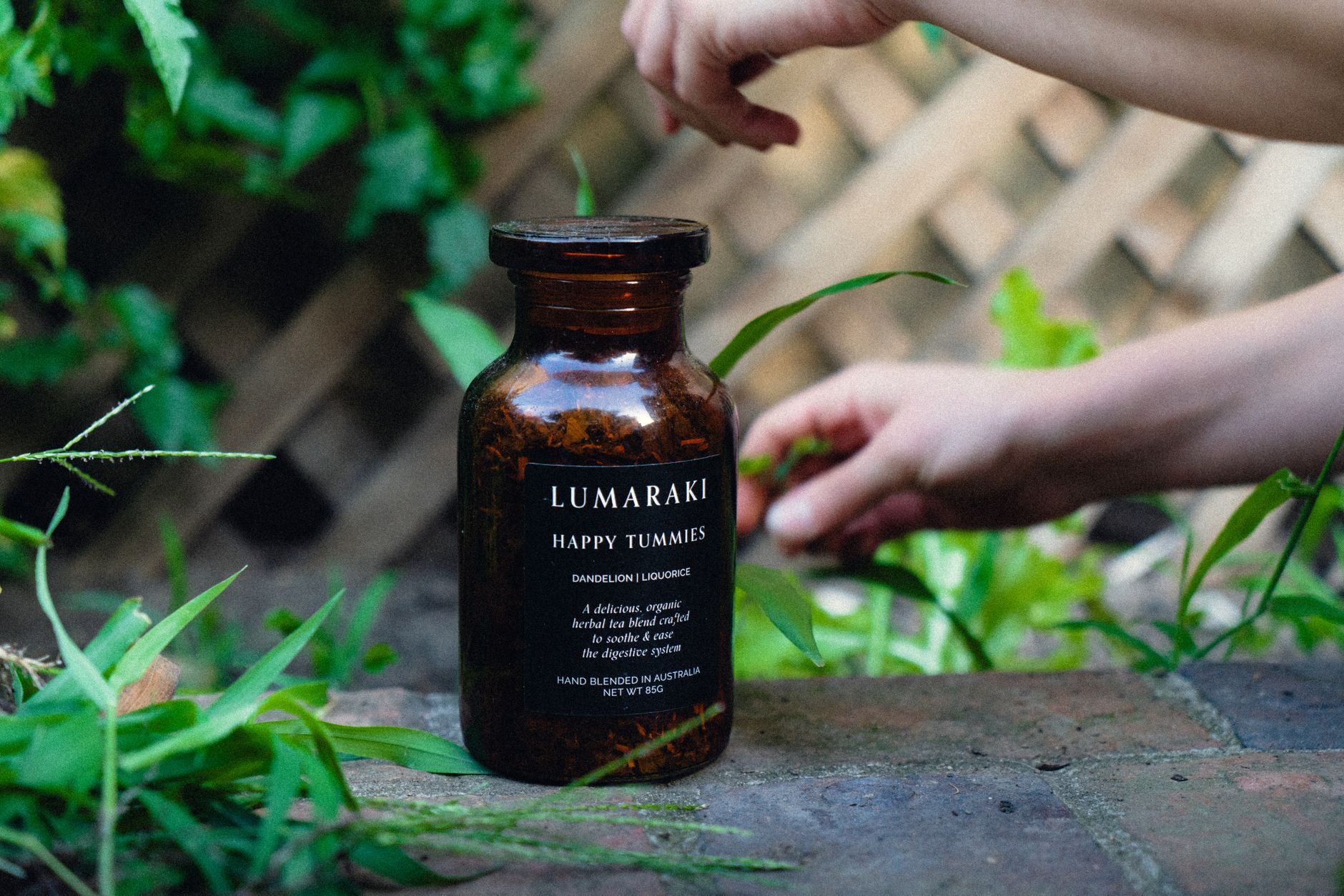

Herbal tea for digestive health has become increasingly popular across South Africa as more people seek natural solutions for common gastrointestinal issues. In 2026, the demand for effective, plant-based remedies continues to grow as individuals recognize the limitations of conventional treatments and embrace holistic wellness approaches. Whether you’re struggling with occasional indigestion, chronic bloating, or general digestive discomfort, herbal tea offers a soothing and scientifically-supported option to promote better gut function and overall wellbeing.
Understanding Digestive Health in 2026
The Modern Digestive Crisis
South African lifestyles have transformed dramatically over the past decade, and our digestive systems are paying the price. Modern diets rich in processed foods, irregular eating patterns, stress, and sedentary behavior have created an epidemic of digestive disorders affecting millions. From irritable bowel syndrome to acid reflux, constipation to diarrhea, digestive complaints rank among the most common health issues reported to healthcare providers. The pharmaceutical industry continues to push medications with potential side effects, yet many South Africans are now looking toward time-tested herbal solutions instead. Herbal tea for digestive health represents a paradigm shift in how we approach gut wellness—moving away from suppressive treatments toward supportive, preventative care.
The science behind herbal remedies is increasingly robust. Research published in 2026 has validated what traditional healers have known for centuries: certain plant compounds possess remarkable abilities to soothe inflamed tissues, stimulate digestive secretions, reduce harmful bacteria, and promote the growth of beneficial gut flora. By understanding these mechanisms, South Africans can make informed decisions about incorporating herbal tea for digestive health into their daily routines as a proactive health measure.
Why Herbal Solutions Matter Today
Traditional pharmaceutical approaches to digestive problems often mask symptoms rather than address root causes. Antacids neutralize stomach acid temporarily but don’t improve digestive function. Laxatives force bowel movements without healing the underlying tissue. In contrast, herbal tea for digestive health works with your body’s natural processes, supporting the complex ecosystem of your digestive tract. These herbal solutions are cost-effective, readily available in South Africa, and carry minimal side effects when used appropriately.
The holistic approach embedded in herbal medicine recognizes that digestive health connects to overall wellbeing. Stress affects digestion. Sleep impacts gut bacteria balance. Emotional health influences inflammation levels. By choosing herbal tea for digestive health, you’re selecting a remedy that acknowledges these interconnections and supports your whole being rather than targeting isolated symptoms.
Top Herbal Teas for Digestive Wellness 2026
Ginger and Peppermint: The Dynamic Duo
Ginger has earned its reputation as a digestive powerhouse through centuries of use and modern scientific validation. This warming spice contains compounds called gingerols and shogaols that stimulate the muscles of the digestive tract, promoting the movement of food through your system. Whether you’re experiencing nausea, motion sickness, or sluggish digestion, ginger tea addresses the underlying motor dysfunction. Peppermint complements ginger perfectly by relaxing the smooth muscles of the digestive tract, reducing cramping and spasms that often accompany digestive discomfort. Together, these herbs create herbal tea for digestive health that simultaneously stimulates and soothes—promoting efficient digestion while preventing pain and discomfort.
To prepare a ginger-peppermint blend, steep fresh ginger slices and dried peppermint leaves in hot water for 5-10 minutes. South African herbalists recommend consuming this tea 30 minutes before meals to prime your digestive system, or immediately after eating to support active digestion. Many practitioners suggest this as an ideal herbal tea for digestive health when dealing with post-meal bloating or heaviness.
Fennel and Caraway Seeds: The Gas-Fighting Herbs
Bloating and excessive gas represent some of the most uncomfortable digestive complaints, yet they respond remarkably well to herbal remedies. Fennel seeds contain anethole, a compound that reduces intestinal gas production and promotes the expulsion of trapped gas. Caraway seeds work through similar mechanisms while also stimulating digestive enzyme production. When combined as herbal tea for digestive health, these seeds create a warming, aromatic beverage that addresses gas at its source rather than merely masking uncomfortable symptoms. This is particularly valuable for individuals with irritable bowel syndrome or those whose bloating interferes with daily activities.
Traditionally, South African herbalists have recommended fennel and caraway tea particularly for individuals who experience bloating after consuming legumes or cruciferous vegetables. Simply crush the seeds slightly, steep in hot water, and consume before or with these meals. The preventative approach offers superior results compared to reactive treatment after bloating has already developed.
Specific Digestive Conditions and Targeted Herbal Tea Solutions 2026
Addressing Acid Reflux and GERD
Acid reflux affects roughly one-third of South African adults, yet many turn immediately to prescription medications that alter stomach acid production in potentially harmful ways. Herbal tea for digestive health offers a gentler alternative that actually heals the underlying tissue damage while managing symptoms. Marshmallow root creates a mucilaginous (slimy) coating that protects the esophageal and gastric lining from acid damage. Slippery elm works through the same protective mechanism. Licorice root addresses the inflammatory component of acid reflux while supporting healthy stomach acid production at physiologically appropriate levels.
Creating an anti-reflux herbal tea for digestive health involves combining these soothing herbs with alkalizing herbs like chamomile. Drink this blend 30 minutes before meals and before bedtime for maximum benefit. Many South Africans report significant improvement within 2-4 weeks of consistent use, often allowing them to reduce or eliminate prescription medications under medical supervision. The approach addresses not just symptoms but the underlying tissue damage and dysfunction.
Supporting Constipation and Sluggish Digestion
Unlike chemical laxatives that create dependency, herbal tea for digestive health can gently stimulate peristalsis—the natural muscular contractions that move stool through your colon. Senna leaf represents the most potent herb for this purpose, yet it should be used short-term to retrain your digestive tract rather than long-term. More sustainable solutions combine gentler stimulating herbs like cascara sagrada with demulcent herbs that soften stool naturally. Adding bitter herbs like gentian root stimulates overall digestive secretion, addressing the root cause of many constipation cases—insufficient digestive output.
For chronic constipation, herbalists recommend a multi-faceted herbal tea for digestive health that includes fiber-providing herbs, peristalsis-stimulating herbs, and stool-softening components. Consistent use over 2-3 months often restores normal bowel function permanently. Additionally, increasing fluid intake and physical activity substantially enhances the effectiveness of herbal remedies. The SA Government health departments increasingly acknowledge the role of herbal medicine in addressing digestive disorders as part of integrated healthcare approaches.
Creating Your Personal Herbal Tea Regimen 2026
Selecting Quality Herbs and Proper Preparation
The effectiveness of herbal tea for digestive health depends significantly on herb quality. South Africa’s climate and soil provide ideal conditions for growing numerous medicinal herbs, yet sourcing from reputable suppliers remains essential. Look for organic certification, proper storage conditions (dried herbs in cool, dark containers), and herbs with vibrant color and potent aroma. Proper preparation techniques also matter tremendously—different herbs require different extraction times and temperatures. Delicate flowers benefit from shorter steeping times in lower-temperature water, while roots and seeds require longer steeping in boiling water to extract their beneficial compounds fully.
Creating personalized herbal tea for digestive health involves understanding your specific digestive challenges. Someone with inflammatory bowel conditions benefits from chamomile, calendula, and licorice. Someone with sluggish digestion needs warming, stimulating herbs like ginger, cardamom, and black pepper. Understanding your constitutional type—whether you tend toward heat or cold, dampness or dryness—allows you to select herbs that specifically address your unique needs rather than applying generic solutions.
Daily Routines and Seasonal Adjustments
Optimal benefits from herbal tea for digestive health emerge through consistent daily practice rather than sporadic use. Most herbalists recommend consuming 1-3 cups daily, preferably warm or hot to maximize digestive stimulation. Morning consumption supports all-day digestive function, while pre-meal consumption primes your digestive system for optimal food processing. In summer, you might adjust your herbal tea for digestive health toward cooling, drying herbs that prevent digestive sluggishness in heat. Winter calls for warming, stimulating herbs that support digestion when metabolic activity naturally increases.
Seasonal rotation prevents herb dependency and allows your body to receive varied plant compounds across the year. Spring calls for liver-supporting herbs to promote detoxification after winter’s heavier diet. Summer supports cooling digestive herbs. Autumn benefits from grounding, nourishing herbs. Winter embraces warming, circulation-enhancing herbs. This cyclical approach, rooted in traditional medicine systems, aligns your herbal tea for digestive health with natural cycles and supports overall constitutional balance.
Scientific Research Supporting Herbal Tea for Digestive Health 2026
Clinical Evidence and Mechanisms of Action
Modern scientific research continues validating traditional herbal approaches to digestive health. Studies published in 2026 demonstrate that ginger reduces nausea through multiple mechanisms including gastric motility enhancement and serotonin receptor interaction. Peppermint oil reduces irritable bowel syndrome symptoms in 75% of clinical trial participants. Chamomile exhibits proven anti-inflammatory effects on the gastrointestinal tract. Licorice root increases protective mucus production while reducing inflammation. When you choose herbal tea for digestive health, you’re selecting remedies backed by increasingly robust scientific evidence.
The mechanisms through which herbal tea for digestive health works often involve multiple pathways simultaneously. Rather than single-compound pharmaceuticals that target one pathway exclusively, herbal combinations work synergistically through numerous mechanisms. This multi-targeted approach often proves more effective for complex conditions and carries fewer side effects. Additionally, herbs strengthen and support your body’s natural healing capacity rather than suppressing symptoms artificially. Research in 2026 increasingly recognizes that true healing involves supporting innate repair mechanisms rather than merely masking dysfunction.
Comparing Herbal Solutions to Pharmaceutical Options
When examining health, herbs, diseases, nutrition & diet comparison 2026, the advantages of herbal tea for digestive health become increasingly evident. Pharmaceutical antacids provide rapid symptom relief but impair protein digestion and nutrient absorption when used chronologically. Herbal tea for digestive health actually improves digestive function while addressing underlying causes. Prescription anti-diarrheal medications can trap toxins and perpetuate intestinal dysbiosis, whereas herbal solutions restore healthy gut flora and eliminate the root cause of diarrhea.
| Treatment Option | Speed of Action | Long-term Efficacy | Side Effects | Cost (2026) | Sustainability |
|---|---|---|---|---|---|
| Pharmaceutical Antacids | 5-15 minutes | Minimal (creates dependency) | Nutrient malabsorption, magnesium depletion | Moderate-High | Unsustainable |
| Herbal Tea (Digestive) | 20-45 minutes | Excellent (heals tissue) | Minimal (when properly selected) | Low-Moderate | Highly sustainable |
| Herbal Tea (Stimulating) | 2-4 hours | Good (restores function) | Minimal (short-term use only) | Low | Sustainable with rotation |
| Prescription Proton Pump Inhibitors | 24-48 hours | Temporary relief only | B12 deficiency, osteoporosis, C. difficile infection | High | Creates dependency |
| Combination Herbal Approach | Days to weeks | Excellent (constitutional healing) | Minimal (rare sensitivities) | Low | Highly sustainable |
Practical Guide to Herbal Tea for Digestive Health Implementation 2026
Recipes and Blending for Specific Conditions
Creating customized herbal tea for digestive health allows you to address your specific concerns with precision. For general digestive support, combine equal parts ginger root, peppermint leaf, and fennel seed. Steep one tablespoon of this blend in 8 ounces of hot water for 10 minutes, strain, and consume before meals. For acid reflux specifically, blend marshmallow root (2 parts), licorice root (2 parts), chamomile flower (1 part), and slippery elm bark (1 part). This herbal tea for digestive health requires longer steeping—15 minutes—to fully extract the mucilaginous properties essential for healing. For constipation, combine cascara sagrada bark (1 part), senna leaf (1 part), ginger root (1 part), and fennel seed (1 part). Use this herbal tea for digestive health only for 2-3 weeks maximum, then rotate to gentler herbs.
South African herbalists increasingly recommend purchasing whole dried herbs and blending them personally rather than relying on pre-made tea bags, which often contain broken herb fragments with reduced potency. Invest in a high-quality tea infuser or small strainer and source herbs from reputable local suppliers. Many South African communities maintain traditional herb gardens or access indigenous herbs through local markets. Supporting local herbalists and producers strengthens your community while ensuring fresh, potent herbal tea for digestive health specifically suited to your regional conditions.
Integration with Dietary and Lifestyle Changes
Herbal tea for digestive health works optimally when combined with supportive dietary and lifestyle practices. Consuming slowly, chewing thoroughly, and eating in calm environments dramatically improves digestion. Reducing processed foods, increasing fiber gradually, and staying adequately hydrated create the foundation upon which herbal remedies build. Regular movement and exercise stimulate digestive motility. Managing stress through meditation, yoga, or time in nature reduces the sympathetic nervous system activation that suppresses digestion. Quality sleep allows your body to regenerate digestive tissues. When you implement herbal tea for digestive health alongside these supporting practices, results often exceed expectations.
Many South Africans find that implementing herbal tea for digestive health serves as a catalyst for broader wellness improvements. As their digestion improves and they feel better, they naturally adopt more health-supporting behaviors. This creates positive feedback loops where small improvements motivate larger lifestyle changes. Additionally, the ritual of preparing and consuming herbal tea provides mindful moments that reduce stress and enhance the parasympathetic nervous system activation necessary for optimal digestion. The practice becomes both medicine and meditation.
Advanced Topics: Deeper Exploration of Digestive Herbalism 2026
Understanding Herb Interactions and Contraindications
While herbal tea for digestive health generally carries excellent safety profiles, certain considerations warrant attention. Some herbs interact with pharmaceutical medications—licorice can elevate blood pressure, while some herbs enhance blood-thinning effects of anticoagulants. Pregnant and nursing individuals should consult qualified herbalists before consuming certain stimulating or bitter herbs. People with specific allergies must verify they’re not sensitive to plants in their chosen herbal tea for digestive health. The Apiaceae family (including fennel, parsley, parsnips) can trigger reactions in individuals with specific allergies. Nightshade-sensitive individuals should avoid pepper-containing blends. Understanding your complete health picture allows you to select herbal tea for digestive health that perfectly suits your individual circumstances.
A qualified herbalist can assess your constitution, medications, health conditions, and specific digestive issues to create truly personalized herbal tea for digestive health. South Africa’s growing herbalist community includes both traditional healers and modern clinical herbalists who blend ancestral wisdom with contemporary knowledge. Consulting with such practitioners ensures you receive guidance specific to your situation rather than applying generic recommendations. As you consider related health topics like milk thistle liver health benefits or exploring comprehensive echinacea benefits for colds, remember that all body systems interconnect—liver health directly impacts digestion, as does immune function.
Working with Your Body’s Natural Rhythms and Constitution
Traditional medicine systems including Ayurveda and Traditional Chinese Medicine recognize that individuals possess different constitutional types with distinct digestive patterns and optimal herbal solutions. In Ayurvedic terms, someone with a Pitta constitution (prone to inflammation and hyperacidity) requires different herbal tea for digestive health than someone with a Vata constitution (prone to gas and irregular digestion) or Kapha constitution (prone to sluggish digestion and heaviness). Similarly, Chinese Medicine recognizes Spleen deficiency, Liver constraint, and Stomach heat as distinct patterns requiring specific herbal approaches. By understanding your constitution, you can select herbal tea for digestive health that specifically addresses your inherent imbalances rather than using generic remedies that may not suit your nature.
Age represents another consideration in selecting appropriate herbal tea for digestive health. Younger individuals with robust digestive fire may benefit from stronger stimulating herbs, while elderly individuals with naturally declining digestive capacity benefit from gentler, more nourishing herbal combinations. Women’s hormonal cycles affect digestion—many experience digestive changes during different menstrual phases and benefit from cyclical herbal tea adjustments. Men’s digestion typically remains more consistent but responds well to constitutional approaches. This nuanced understanding transforms herbal tea for digestive health from a one-size-fits-all remedy into a truly personalized medicine addressing your unique nature.
Frequently Asked Questions About Herbal Tea for Digestive Health 2026
How long does herbal tea for digestive health take to work?
The timeline for herbal tea effectiveness varies based on the specific condition, herb selection, and individual factors. Acute symptoms like nausea or cramping often improve within 20-45 minutes of consuming appropriate herbal tea. Chronic digestive issues requiring tissue healing and pattern shifting typically show meaningful improvement within 2-4 weeks of consistent daily use. Conditions involving deep constitutional patterns may require 8-12 weeks of dedicated herbal therapy for complete resolution. Patience and consistency matter more than instant results—herbal medicine rebuilds function rather than merely suppressing symptoms, requiring time for tissue regeneration and pattern change.
Can I combine multiple herbal teas for digestive health simultaneously?
Combining multiple herbal teas can prove beneficial when each herb addresses different aspects of your digestive complaint, but excessive combinations can become confusing to your system and complicate identifying what actually helps. Generally, 3-5 herbs in a single blend