
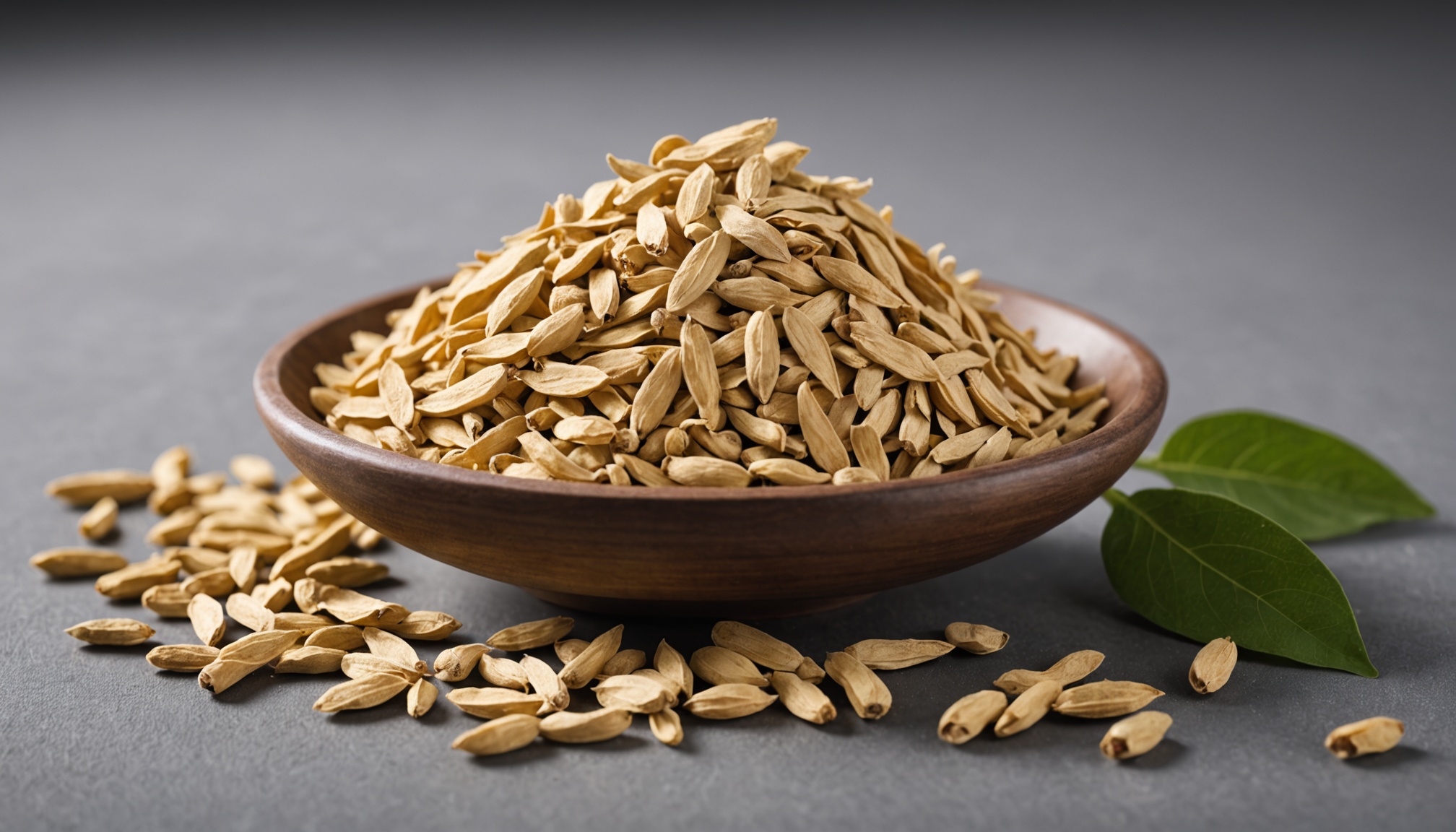

Ashwagandha benefits and side effects have become increasingly important topics as more people turn to herbal remedies for natural health support. This ancient adaptogenic herb, scientifically known as Withania somnifera, has been used in Ayurvedic medicine for thousands of years and continues to gain popularity in 2026 among health-conscious individuals seeking alternatives to conventional treatments. Understanding both the therapeutic advantages and potential risks of ashwagandha is crucial for anyone considering supplementation.
Understanding Ashwagandha and Its Properties
What Is Ashwagandha and How Does It Work?
Ashwagandha is a small shrub native to India, the Middle East, and Africa that contains bioactive compounds including withanolides, alkaloids, and saponins. These active ingredients work synergistically to produce the herb’s characteristic effects on the body and mind. The adaptogenic properties of ashwagandha help the body manage stress by regulating cortisol levels and supporting the nervous system during periods of physical and emotional strain. When examining ashwagandha benefits and side effects, it’s essential to recognize that this herb functions as a biological modulator rather than a simple stimulant or sedative.
The mechanism of action involves ashwagandha’s interaction with multiple physiological systems, particularly the hypothalamic-pituitary-adrenal (HPA) axis, which controls stress response. By supporting healthy cortisol patterns, ashwagandha helps normalize sleep-wake cycles, reduce anxiety, and improve overall resilience to environmental stressors. The withanolides present in ashwagandha also demonstrate neuroprotective properties that may benefit cognitive function and mental clarity.
Historical and Cultural Significance
For over 3,000 years, ashwagandha has held a prominent place in traditional Ayurvedic medicine as a rasayana, or rejuvenative tonic. Ancient practitioners valued this herb for its ability to promote longevity, enhance vitality, and support overall wellness. In 2026, modern research continues to validate many of these traditional uses, with clinical studies confirming numerous health benefits previously described in ancient texts. The cultural respect for ashwagandha has contributed to its mainstream acceptance in Western wellness communities.
The herb’s Sanskrit name translates to “smell of a horse,” referring to both its distinctive odor and its traditional use to impart the strength and vigor of a horse to those who consume it. This historical context demonstrates how ashwagandha has been recognized for centuries as a powerful tool for human optimization and disease prevention, making it relevant to modern health seekers exploring ashwagandha benefits and side effects for their personal wellness journeys.
Primary Health Benefits of Ashwagandha in 2026
Stress Relief and Anxiety Management
One of the most well-documented ashwagandha benefits and side effects involves its remarkable ability to reduce anxiety and promote emotional balance. Clinical studies have shown that ashwagandha supplementation can significantly decrease cortisol levels, the primary stress hormone in the body. Participants in these studies typically experience reduced anxiety symptoms, improved mood, and better emotional resilience within 4-8 weeks of consistent supplementation. This benefit makes ashwagandha an attractive option for individuals dealing with chronic stress, generalized anxiety disorder, or situational stress.
The anxiolytic effects of ashwagandha work through several mechanisms, including GABA receptor modulation and reduction of inflammatory markers associated with anxiety. People who incorporate ashwagandha into their daily routine often report feeling calmer, more centered, and better equipped to handle life’s challenges. The herb’s gentle yet effective approach to anxiety management appeals to those seeking natural alternatives to pharmaceutical interventions. For a comprehensive understanding of natural health approaches, explore our health, herbs, diseases, nutrition & diet comparison 2026 resource.
Sleep Quality and Insomnia Support
Ashwagandha has demonstrated significant potential for improving sleep quality and addressing insomnia through multiple pathways. By reducing cortisol and supporting the circadian rhythm, ashwagandha helps establish healthier sleep patterns naturally. Users often report falling asleep more easily, experiencing deeper sleep, and waking feeling more refreshed. The herb achieves these benefits without causing the grogginess or dependency associated with prescription sleep medications, making it an excellent natural alternative for sleep support in 2026.
The sleep-promoting benefits of ashwagandha are particularly valuable for individuals whose anxiety or stress-induced insomnia interferes with daily functioning. Research indicates that consistent use of ashwagandha leads to measurable improvements in sleep quality scores and reduces the time needed to fall asleep. Many sleep-conscious consumers appreciate that ashwagandha works naturally with the body’s sleep mechanisms rather than forcing sedation, contributing to its growing popularity among wellness enthusiasts prioritizing natural solutions.
Cognitive Function and Mental Health Benefits
Memory Enhancement and Brain Health
Among the most exciting ashwagandha benefits and side effects are those related to cognitive performance and brain health. The withanolides in ashwagandha have demonstrated neuroprotective properties that support memory formation, recall, and overall cognitive function. Research has shown that ashwagandha can enhance both immediate and long-term memory while also supporting attention span and mental clarity. These cognitive benefits make ashwagandha particularly appealing to students, professionals, and aging adults concerned with maintaining mental sharpness in 2026.
The neuroprotective mechanisms of ashwagandha include reducing neuroinflammation, protecting against oxidative stress, and supporting synaptic plasticity. These actions help preserve cognitive function and may slow age-related cognitive decline. Users often report improved focus during work or study, better ability to retain new information, and enhanced problem-solving abilities. The cognitive support provided by ashwagandha represents a non-pharmaceutical approach to brain health that complements broader wellness strategies.
Depression and Mood Support
While not a replacement for professional mental health treatment, ashwagandha has shown promise in supporting mood and emotional well-being. Several clinical trials have indicated that ashwagandha may be as effective as certain antidepressant medications for mild to moderate mood concerns. The herb’s ability to reduce inflammation, support neurotransmitter balance, and decrease stress hormones contributes to its mood-enhancing effects. People incorporating ashwagandha into their mental health routines often report improved mood stability and reduced emotional reactivity.
The mood benefits of ashwagandha work best when combined with other wellness practices such as exercise, meditation, and social connection. The herb supports the neurochemical foundations for emotional stability, helping individuals feel more emotionally resilient and psychologically flexible. For those seeking comprehensive approaches to mental health, combining ashwagandha with other supportive herbs and lifestyle practices creates a synergistic effect that many find beneficial for long-term emotional wellness.
Physical Health Benefits and Immune Support
Immune System Enhancement
Ashwagandha’s immunomodulatory properties represent significant ashwagandha benefits and side effects for physical health and disease prevention. The herb contains compounds that enhance immune function by increasing natural killer cell activity and antibody production. This immune-boosting effect makes ashwagandha valuable for individuals seeking to strengthen their body’s defenses against illness and infection. Regular ashwagandha supplementation may reduce the frequency and severity of common illnesses, supporting consistent wellness throughout the year.
The immune benefits of ashwagandha extend beyond simple infection prevention to include support for the body’s inflammatory response and overall immune regulation. By promoting balanced immune function, ashwagandha helps the body mount appropriate responses to threats while avoiding excessive inflammation. This balanced approach to immunity makes ashwagandha particularly valuable in 2026, when many individuals prioritize preventive health strategies and natural immune support. The herb’s ability to support both innate and adaptive immunity demonstrates its comprehensive approach to health enhancement.
Energy Levels and Physical Performance
Many users of ashwagandha report increased energy levels and improved physical endurance, making it popular among athletes and active individuals. The herb supports energy production by enhancing mitochondrial function and improving oxygen utilization in cells. These benefits translate to better exercise performance, faster recovery, and reduced exercise-induced fatigue. Athletes in 2026 increasingly turn to ashwagandha as a natural performance enhancer that supports both strength and endurance without the risks associated with synthetic alternatives.
The energy-promoting effects of ashwagandha work synergistically with its stress-reducing properties to create sustained vitality. By reducing the energy drain caused by chronic stress, ashwagandha allows the body’s natural energy resources to be directed toward productive activities. Users often notice they have more motivation, better workout performance, and faster recovery between training sessions. This combination of benefits makes ashwagandha an excellent choice for individuals seeking comprehensive support for active lifestyles and ambitious fitness goals.
Potential Side Effects and Safety Considerations
Common and Mild Side Effects
Understanding ashwagandha benefits and side effects requires honest acknowledgment of potential adverse reactions. While ashwagandha is generally well-tolerated, some users experience mild side effects, particularly during initial supplementation. The most commonly reported mild effects include digestive upset, nausea, mild headache, or drowsiness. These effects typically occur at higher doses and usually resolve within a few days as the body adjusts to the herb. Starting with lower doses and gradually increasing to therapeutic levels helps minimize the likelihood of experiencing uncomfortable side effects.
Gastrointestinal sensitivity represents the most frequently cited mild side effect, with some users experiencing stomach discomfort or loose stools. Taking ashwagandha with food can significantly reduce digestive upset and improve tolerability. Most mild side effects are dose-dependent and predictable, meaning users can adjust dosage to find their optimal level. The incidence of mild side effects varies considerably between individuals, with some experiencing no issues whatsoever while others require dose adjustment to achieve comfortable supplementation.
Serious Adverse Effects and Drug Interactions
Serious side effects from ashwagandha are uncommon but possible, particularly in specific populations or when combined with certain medications. Individuals taking immunosuppressant drugs should use ashwagandha cautiously, as its immune-enhancing properties may reduce medication effectiveness. Similarly, those taking sedative medications should be aware that ashwagandha may potentiate drowsiness. Pregnant and breastfeeding women should avoid ashwagandha due to insufficient safety data, even though the herb is often used in traditional postpartum care. People with autoimmune conditions should consult healthcare providers before using ashwagandha, as its immune-stimulating properties might exacerbate certain autoimmune responses.
Drug interactions represent the most significant safety concern when considering ashwagandha benefits and side effects. Ashwagandha may interact with thyroid medications, blood pressure medications, and immunosuppressants, potentially requiring dosage adjustments. Anyone taking prescription medications should consult their healthcare provider before beginning ashwagandha supplementation. Medical supervision ensures that ashwagandha enhances rather than interferes with existing treatment plans. In 2026, as ashwagandha gains popularity, medical professionals are increasingly trained to understand these interactions and provide evidence-based guidance.
Dosage, Quality, and Best Practices for Use
Recommended Dosage and Administration
Effective use of ashwagandha requires understanding proper dosage and administration methods to maximize benefits while minimizing ashwagandha benefits and side effects. Research-based dosing typically ranges from 300-600 mg daily of standardized ashwagandha extract containing at least 5% withanolides, though some studies use doses up to 1,200 mg daily. The optimal dose varies based on individual factors including body weight, health status, and specific health goals. Most users find that starting with lower doses and gradually increasing allows the body to adjust while providing opportunity to identify any adverse reactions early.
Consistency matters more than dosage amount when using ashwagandha, with benefits accumulating over weeks and months of regular supplementation. Most studies examining ashwagandha benefits required 4-8 weeks of consistent daily use before significant improvements appeared. Taking ashwagandha with food enhances absorption and reduces digestive upset, making this approach preferable for sensitive individuals. Timing of administration can be individualized, though some evidence suggests taking ashwagandha in the evening may enhance sleep benefits, while morning dosing might be preferable for stress support during the day.
Choosing Quality Products and Avoiding Contamination
With ashwagandha’s popularity in 2026, quality variation in commercial products represents a significant concern. Consumers should select supplements from reputable manufacturers who conduct third-party testing and provide certificates of analysis. Look for products standardized to contain specific withanolide percentages, typically between 5-10%, ensuring consistent potency. Avoid products making unsubstantiated medical claims or offering unrealistically low prices, as these often indicate poor quality or adulteration. Reading customer reviews and checking for certifications from organizations like NSF International or USP provides additional assurance of product quality.
Contamination with heavy metals or pesticides remains a concern in the herbal supplement industry, making quality verification essential. Reputable manufacturers test for contaminants and provide transparent documentation of their testing procedures. Purchasing from established, trusted supplement companies reduces contamination risk significantly. When evaluating ashwagandha benefits and side effects, product quality directly impacts both efficacy and safety, making it worth investing in premium options from verified sources. Supporting companies committed to rigorous quality standards benefits not only individual consumers but the entire supplement industry’s reputation and reliability.
Ashwagandha Compared to Other Herbs and Supplements
Ashwagandha Versus Other Adaptogens
When evaluating adaptogenic herbs, ashwagandha often emerges as a top choice due to its combination of benefits and safety profile. Rhodiola rosea offers similar stress-reduction benefits but may have more energizing effects, making it better suited for daytime use by those sensitive to ashwagandha’s potential drowsiness. Ginseng provides immune and energy support but may cause overstimulation in sensitive individuals. Holy basil (Tulsi) offers complementary anxiety benefits with additional antioxidant properties. Each adaptogen has unique benefits, and many users benefit from cycling between different adaptogens or combining complementary herbs. Understanding the distinctions helps individuals select the herb best matching their specific needs and health goals.
Our comprehensive health, herbs, diseases, nutrition & diet comparison 2026 resource provides detailed information about how different adaptogenic herbs compare in clinical outcomes and individual experiences. The comparison helps users make informed decisions based on their particular health concerns and constitutional type. Some individuals find that combining ashwagandha with complementary herbs produces superior results compared to single-herb protocols.
Ashwagandha and Liver Health Support
While ashwagandha primarily supports stress and cognition, supporting overall liver health remains important for comprehensive wellness. The liver processes supplements and foods, so maintaining liver function ensures proper ashwagandha metabolism. Combining ashwagandha with herbs specifically supporting liver function creates a synergistic wellness approach. For those interested in comprehensive liver health support, our guide to milk thistle liver health benefits offers valuable information about combining herbs for optimal organ function. Additionally, herbs for skin health work well alongside ashwagandha, as stress reduction and improved sleep both benefit skin appearance and health.
Individuals using multiple supplements benefit from understanding herb-supplement interactions and ensuring all products support rather than interfere with each other. Consulting with qualified herbalists or naturopathic practitioners helps create comprehensive protocols that address multiple health needs synergistically while minimizing potential negative interactions.
Scientific Research and Evidence for Ashwagandha in 2026
Clinical Trial Results and Study Outcomes
Substantial scientific evidence supports many traditional uses of ashwagandha, with over 200 scientific studies investigating various aspects of ashwagandha benefits and side effects. A landmark 2019 study in the journal Nutrients demonstrated that 300 mg of ashwagandha daily significantly reduced cortisol levels and anxiety scores compared to placebo. Multiple randomized controlled trials have confirmed ashwagandha’s effectiveness for insomnia, with improvements in sleep quality appearing within 3-4 weeks of consistent supplementation. Research on cognitive benefits shows ashwagandha can enhance memory and attention in both young adults and older populations. These robust findings have led major health institutions to acknowledge ashwagandha’s therapeutic potential, increasing its acceptance in mainstream medicine.
In 2026, continuing research expands our understanding of ashwagandha’s mechanisms and potential applications. Emerging studies explore ashwagandha’s effects on athletic performance, hormonal balance, and age-related cognitive decline. Meta-analyses combining results from multiple studies provide increasingly clear pictures of ashwagandha’s efficacy across different health conditions and populations. This expanding evidence base strengthens confidence in ashwagandha’s effectiveness while identifying optimal use patterns and populations most likely to benefit.
What the Science Reveals About Safety and Efficacy
Scientific research consistently demonstrates that ashwagandha possesses both therapeutic benefit and favorable safety profile compared to pharmaceutical alternatives for many conditions. Long-term safety studies spanning up to one year show ashwagandha maintains effectiveness without developing tolerance or requiring dose escalation. The side effect profile remains mild in most cases, with discontinuation rates due to adverse effects remaining low across clinical trials. This combination of efficacy and safety makes ashwagandha particularly attractive in 2026, when evidence-based medicine increasingly recognizes the value of botanicals with strong scientific support.
The scientific literature on ashwagandha benefits and side effects reveals that individual responses vary considerably, reflecting different genetics, constitutions, and baseline health status. Some individuals experience dramatic benefits from ashwagandha, while others notice more subtle changes. This variability is normal in herbal medicine and reflects the personalized nature of botanical therapeutics. Science indicates that ashwagandha works best when integrated into comprehensive wellness approaches including proper sleep, regular exercise, healthy nutrition, and stress management practices.
Frequently Asked Questions About Ashwagandha
How Long Does It Take for Ashwagandha to Work?
Most people experience noticeable benefits from ashwagandha within 4-8 weeks of consistent daily use, though some individuals notice effects as early as 2-3 weeks. Stress and anxiety relief often appears before cognitive benefits, with improvements in sleep quality typically emerging within the first month. Optimal benefits generally manifest after 8-12 weeks of consistent supplementation, with effects continuing to deepen over several months. Individual timelines vary based on dosage, product quality, baseline health status, and specific health goals, making patience and consistency key to success.
Can I Take Ashwagandha Long-Term?
Research indicates that ashwagandha can be taken safely for extended periods, with studies documenting safety for up to one year of continuous use. Many practitioners recommend cycling ashwagandha (using for 5-6 months, then taking a 1-2 month break) to maintain sensitivity and effectiveness, though continuous use is generally considered safe. Long-term safety appears excellent, with minimal serious adverse effects reported even in extended studies. However, individuals should periodically reassess whether continued supplementation aligns with their health goals and consult healthcare providers about optimal long-term protocols.
Is Ashwagandha Safe for Everyone?
While ashwagandha is well-tolerated by most adults, certain populations should avoid