
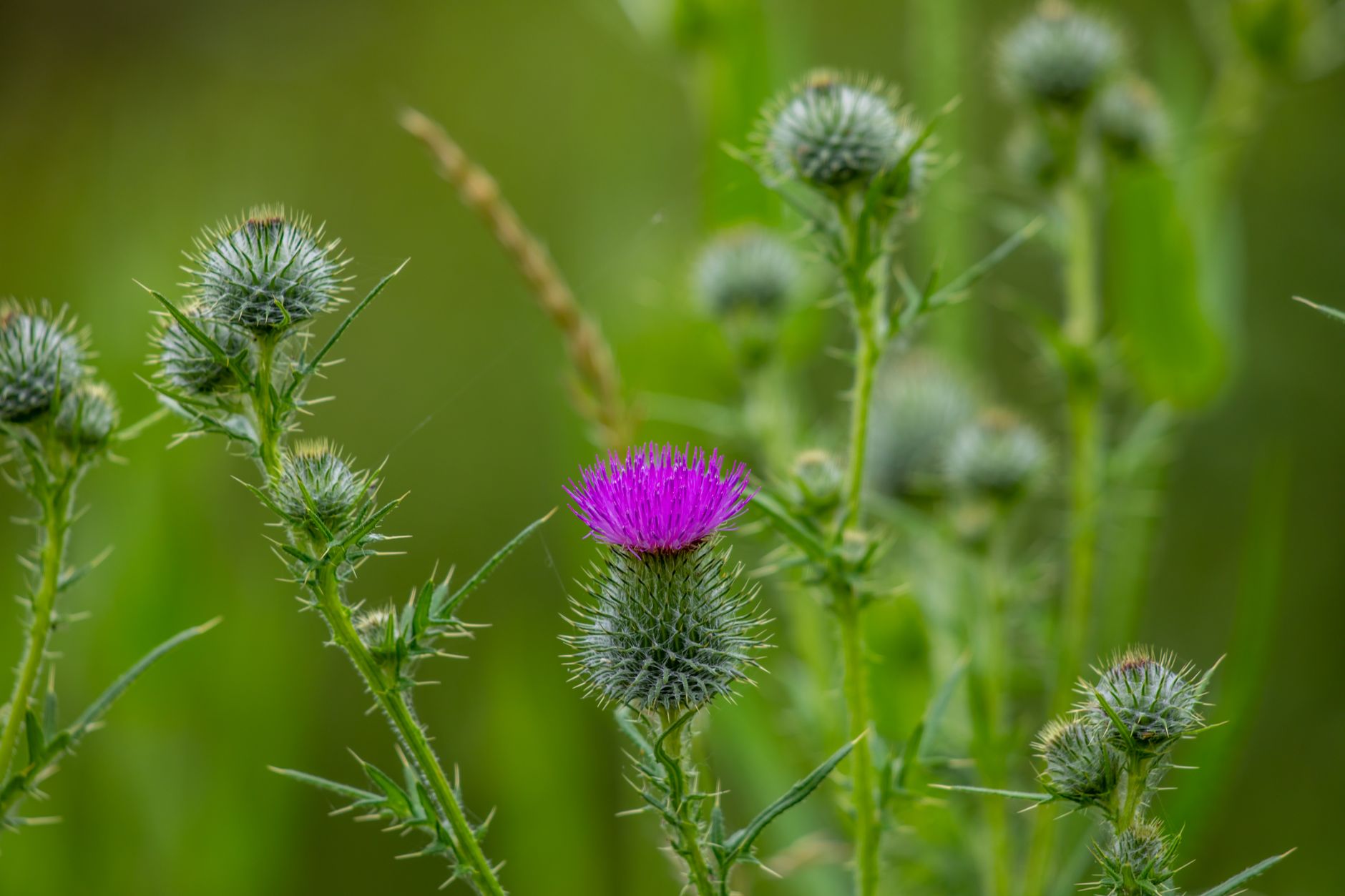

milk thistle liver health benefits have become increasingly recognized in modern wellness circles as more people seek natural approaches to liver health. This powerful herb, derived from the Silybum marianum plant, contains silymarin—a potent compound that offers remarkable support for hepatic function. Whether you’re interested in preventative liver care or supporting existing liver health, understanding milk thistle’s properties can help you make informed decisions about your wellness routine in 2026.
What Is Milk Thistle and How Does It Work?
Understanding Milk Thistle Chemistry
Milk thistle is a flowering plant native to Mediterranean regions, though it now grows throughout North America. The active components in milk thistle, collectively known as silymarin, represent approximately 65-80% of the plant’s dry seed extract. This complex of flavonolignans works synergistically within your body to support optimal liver function. The primary active compounds include silybin, silydianin, and silychristin, each contributing uniquely to the milk thistle liver health benefits that researchers continue documenting in 2026.
When you consume milk thistle supplements, these compounds are absorbed into your bloodstream and accumulate in liver tissue. Once there, silymarin initiates multiple protective mechanisms. The herb acts as an antioxidant, neutralizing harmful free radicals that can damage hepatocytes—the functional cells of your liver. Additionally, it stimulates protein synthesis, helping your liver regenerate damaged cells and maintain optimal structural integrity. This multi-faceted approach to liver support explains why milk thistle liver health benefits extend beyond simple symptom relief to address underlying liver functionality.
The Science Behind Liver Support
Modern research in 2026 continues validating what traditional herbalists have known for centuries. Milk thistle liver health benefits operate through several distinct physiological pathways. First, the herb enhances glutathione production—your body’s most powerful endogenous antioxidant. Glutathione plays a crucial role in Phase II liver detoxification, helping your liver process and eliminate toxins efficiently. Second, silymarin protects against lipid peroxidation, a damaging process where free radicals attack cell membranes, particularly in hepatocytes.
The third mechanism involves anti-inflammatory action. Many liver health challenges stem from chronic inflammation, and milk thistle’s anti-inflammatory compounds help calm inflammatory responses within hepatic tissue. Fourth, the herb supports the liver’s ability to produce and regulate bile, essential for fat digestion and toxin elimination. Finally, milk thistle promotes liver regeneration through growth factor stimulation, allowing damaged tissue to repair more efficiently. Together, these mechanisms explain the comprehensive milk thistle liver health benefits observed in clinical studies throughout 2026.
Specific Milk Thistle Liver Health Benefits in 2026
Detoxification and Toxin Elimination
One of the most sought-after milk thistle liver health benefits involves enhanced detoxification capacity. Your liver processes hundreds of potentially harmful substances daily—environmental toxins, medications, alcohol metabolites, and dietary contaminants. Milk thistle supports this critical function by strengthening the liver’s detoxification enzymes and increasing antioxidant production. The herb helps your liver neutralize xenobiotics (foreign chemical substances) more efficiently, converting them into water-soluble compounds that your kidneys can eliminate through urine.
Research published in 2026 demonstrates that individuals taking milk thistle show improved markers of liver detoxification efficiency. These benefits prove particularly valuable for people exposed to environmental toxins, those taking multiple medications, or those recovering from alcohol use. The milk thistle liver health benefits related to detoxification can help you feel more energized, as a better-functioning liver requires less overall energy allocation to process waste products.
Liver Regeneration and Tissue Repair
Your liver possesses remarkable regenerative capabilities, and milk thistle amplifies this natural process. When liver tissue sustains damage from various sources—viral infections, chemical exposure, fatty liver disease progression—milk thistle compounds stimulate hepatocyte proliferation and protein synthesis. This milk thistle liver health benefits aspect proves particularly important because liver regeneration directly correlates with functional recovery. Studies from 2026 show that individuals supplementing with milk thistle demonstrate faster restoration of normal liver enzyme levels following hepatic injury.
The regenerative benefits extend to individuals with cirrhotic changes. While milk thistle cannot reverse established cirrhosis, it can help slow progression and improve overall liver function despite structural damage. This represents a significant distinction: the milk thistle liver health benefits include both prevention of further deterioration and support for existing healing processes. For people with chronic liver conditions, this dual action makes milk thistle a valuable complementary approach to standard medical treatments.
Targeted Health Conditions and Milk Thistle Support
Fatty Liver Disease Management
Fatty liver disease—both alcohol-related (AFLD) and non-alcoholic (NAFLD)—represents one of the most common liver conditions in the United States during 2026. In fatty liver disease, triglycerides accumulate within hepatocytes, compromising liver function and potentially progressing to cirrhosis. The milk thistle liver health benefits specifically address fatty liver through multiple mechanisms: reducing hepatic fat deposition, decreasing liver inflammation, and improving insulin sensitivity (a key factor in NAFLD development).
Clinical evidence from 2026 research indicates that milk thistle supplementation can reduce liver fat content by 20-30% over three to six months of consistent use. The herb accomplishes this through enhanced mitochondrial function, which improves cellular energy metabolism and reduces fat storage. Additionally, milk thistle’s anti-inflammatory action helps prevent the progression from simple steatosis to steatohepatitis—a more serious inflammatory liver condition. These specific milk thistle liver health benefits make it particularly valuable for individuals with NAFLD who seek natural supplementation to complement their lifestyle modifications.
- Reduces hepatic triglyceride accumulation
- Decreases liver enzyme elevation markers
- Improves mitochondrial function in hepatocytes
- Reduces inflammatory cytokine production
- Supports normalized lipid metabolism
Hepatitis and Viral Liver Infection Support
For individuals managing hepatitis B or C, milk thistle liver health benefits offer complementary support alongside conventional medical treatment. The herb’s anti-inflammatory and antioxidant properties help reduce hepatic inflammation caused by viral infection, thereby decreasing the rate of liver damage progression. Research in 2026 demonstrates that milk thistle can help maintain more stable liver enzyme levels in hepatitis patients, suggesting a protective effect against accelerated hepatocyte destruction.
While milk thistle is not an antiviral agent and cannot eliminate hepatitis viruses, the milk thistle liver health benefits include preserving remaining healthy liver tissue and supporting the liver’s immune functions. Many hepatology practitioners in 2026 recommend milk thistle as a safe, evidence-based supplement for hepatitis patients seeking comprehensive liver support. The herb appears particularly beneficial for individuals with chronic hepatitis who face years of ongoing infection management.
Dosage, Forms, and Optimal Usage in 2026
Standardized Extract Effectiveness
To maximize milk thistle liver health benefits, standardization matters significantly. Most clinical research demonstrating efficacy uses milk thistle extracts standardized to contain 70-80% silymarin by weight. This standardization ensures consistent potency across supplement batches, allowing your body to receive predictable therapeutic doses. In 2026, quality manufacturers provide standardized extracts that deliver 140-300 mg of silymarin per capsule, with typical therapeutic dosing ranging from 420-600 mg daily, divided into two or three doses.
The standardization approach contrasts with whole herb powders, where silymarin content varies considerably depending on growing conditions, harvest timing, and processing methods. For individuals seeking reliable milk thistle liver health benefits, standardized extracts offer superior consistency and documented efficacy. Most clinical studies demonstrating milk thistle liver health benefits utilize these standardized preparations, making them the evidence-based choice for supplementation.
| Milk Thistle Form | Silymarin Content | Typical Dosing | Best For | Absorption Rate |
|---|---|---|---|---|
| Standardized Extract Capsule | 70-80% silymarin | 420-600 mg daily | Maximum efficacy and consistency | High (60-80%) |
| Whole Seed Powder | 3-5% silymarin | 10-15 grams daily | Budget-conscious users, whole food approach | Low (20-30%) |
| Liquid Extract/Tincture | 1:1 to 1:2 ratio | 15-30 ml daily | Those with swallowing difficulties | Moderate (40-60%) |
| Tea or Infusion | Variable (1-3%) | 2-3 cups daily | Maintenance support, pleasant experience | Low (15-25%) |
| Silymarin Phytosome Complex | High bioavailability | 150-300 mg daily | Maximum absorption and liver uptake | Very High (80-95%) |
Timing and Combination Strategies
For optimal milk thistle liver health benefits, taking supplements with meals enhances absorption while reducing potential gastrointestinal upset. The herb shows particular synergy when combined with other liver-supporting compounds like N-acetylcysteine (NAC), which boosts glutathione production further. Many practitioners in 2026 recommend combining milk thistle with dandelion root, artichoke leaf extract, and bupleurum for comprehensive liver support. However, always consult with a healthcare provider before combining supplements, particularly if you take medications metabolized by the liver.
Consistency matters more than dosing intensity when pursuing milk thistle liver health benefits. Rather than high-dose supplementation for short periods, moderate-dose consistent use over three to six months produces better outcomes. This reflects how herbs work differently than pharmaceuticals—they modulate and support rather than force acute changes. Most individuals notice improvement in energy levels, digestion, and general wellness within 4-8 weeks of consistent supplementation, though liver enzyme normalization may require 8-12 weeks.
Safety, Interactions, and Contraindications
Safety Profile and Side Effects
Milk thistle liver health benefits come with an excellent safety profile, supported by centuries of traditional use and modern clinical research. The herb shows minimal toxicity even at high doses, with very few reported adverse effects during 2026 clinical studies. The most commonly reported side effects—mild gastrointestinal upset, allergic reactions, or headache—occur in less than 5% of users and typically resolve quickly. These minor issues pale in comparison to the potential milk thistle liver health benefits available to most users.
Individuals allergic to plants in the Asteraceae family (ragweed, chrysanthemums, daisies) should exercise caution with milk thistle, as cross-reactivity can occur. Pregnant and breastfeeding women should consult healthcare providers before supplementation, as limited data exists regarding milk thistle safety in these populations, though traditional use suggests safety when appropriately dosed. Overall, for non-allergic individuals not in sensitive life stages, the milk thistle liver health benefits substantially outweigh potential risks.
- Allergic reactions possible in Asteraceae-sensitive individuals
- Mild GI upset (constipation or loose stools) occasionally reported
- Headaches in first few days of supplementation (typically transient)
- May induce mild appetite suppression in sensitive individuals
- Rare cases of liver enzyme elevation in extremely high doses
Drug Interactions and Medication Considerations
While milk thistle liver health benefits extend to many populations, the herb does interact with certain medications, particularly those extensively metabolized by liver cytochrome P450 enzymes. Silymarin can induce certain P450 pathways (CYP3A4, CYP2C9, CYP2D6), potentially altering metabolism of medications including statins, immunosuppressants, anticoagulants, and hormone therapies. In 2026, informed healthcare practitioners screen patients taking these medications before recommending milk thistle supplementation.
The interaction doesn’t necessarily contraindicate milk thistle use; rather, it requires medical supervision and potential dosing adjustments. Some individuals taking warfarin or other anticoagulants have safely used milk thistle when monitored by their physician, with dosing adjusted accordingly. Similarly, those on cyclosporine or other immunosuppressants can sometimes benefit from milk thistle liver health benefits while maintaining therapeutic medication levels through careful monitoring. Never initiate milk thistle supplementation while taking medications without discussing it with your prescribing physician.
Natural Synergies and Complementary Approaches to Liver Health
Combining Milk Thistle with Other Hepatic Support Herbs
While milk thistle liver health benefits prove substantial independently, combining the herb with complementary botanicals creates synergistic effects. Dandelion root supports bile production and hepatic detoxification through different mechanisms than milk thistle, making it an excellent companion herb. Artichoke leaf extract contains compounds that enhance liver enzyme production and improve fat digestion. Turmeric’s curcumin provides additional anti-inflammatory and antioxidant support. In 2026, many natural health practitioners recommend multi-herb formulas that include milk thistle alongside these complementary botanicals for comprehensive liver support.
Research continues validating these traditional combinations, with 2026 studies showing that formula approaches sometimes outperform single-herb supplementation. When milk thistle combines with silica-rich horsetail, for example, users report improved skin quality alongside liver function improvement—a secondary benefit reflecting systemic detoxification enhancement. The milk thistle liver health benefits amplify when supported by these companion herbs, creating what herbalists call “constitutional support” rather than targeting isolated symptoms.
Lifestyle Factors Maximizing Milk Thistle Effectiveness
To truly maximize milk thistle liver health benefits, supplement use must pair with supportive lifestyle modifications. Reducing alcohol consumption ranks among the most impactful changes, as even moderate alcohol impairs liver function and can negate milk thistle’s protective effects. Similarly, limiting processed foods, trans fats, and refined carbohydrates reduces the liver’s detoxification burden, allowing the organ to function more efficiently with milk thistle support. Adequate hydration—drinking half your body weight in ounces of water daily—facilitates toxin elimination through proper kidney function, complementing milk thistle’s liver support.
Regular moderate exercise enhances hepatic blood flow and mitochondrial function throughout your body, including liver tissue. Stress management through meditation, yoga, or other relaxation practices indirectly supports liver health by reducing cortisol levels that impair immune function. Sleep quality directly impacts liver regeneration, as most hepatic cellular repair occurs during deep sleep phases. When combined with these lifestyle elements, the milk thistle liver health benefits achieve their full potential, often producing outcomes that exceed what either supplements or lifestyle changes accomplish independently. This integrative approach represents the cutting-edge liver health strategy of 2026.
Frequently Asked Questions About Milk Thistle and Liver Health
How long does it take to experience milk thistle liver health benefits?
Most individuals begin noticing subtle improvements within 2-4 weeks of consistent milk thistle supplementation, typically reporting increased energy and improved digestion. However, significant liver enzyme normalization generally requires 8-12 weeks. Individuals with established liver disease may require 12-16 weeks to observe meaningful changes. The milk thistle liver health benefits accumulate gradually as your liver regenerates and strengthens, rather than producing dramatic acute changes. Patience and consistency prove essential for optimal results.
Can milk thistle reverse existing liver damage?
While milk thistle cannot reverse advanced cirrhosis or eliminate hepatitis viruses, the herb can help slow disease progression and improve functional capacity of remaining healthy liver tissue. The milk thistle liver health benefits include supporting regeneration of mildly to moderately damaged hepatocytes, potentially reversing early-stage fatty liver disease when combined with lifestyle modifications. For individuals with advanced liver disease, milk thistle functions as a supportive therapy rather than curative treatment, but supportive effects prove valuable in maintaining quality of life and slowing deterioration.
Is milk thistle safe to use alongside prescription liver medications?
Milk thistle may interact with some medications, particularly those extensively processed by the liver. Consult your healthcare provider before combining milk thistle with immunosuppressants, anticoagulants, statins, or other prescription medications. Many individuals successfully use milk thistle alongside medications when medically supervised, but dosing adjustments may be necessary. Your prescriber can monitor liver enzyme levels and medication effectiveness to ensure the milk thistle liver health benefits don’t compromise your medical treatment. Never adjust medications on your own without professional guidance.
What dose of milk thistle produces the most reliable liver health benefits?
Clinical research demonstrating milk thistle liver health benefits typically uses standardized extracts containing 420-600 mg of silymarin daily, usually divided into two or three doses taken with meals. This dosing range balances efficacy with tolerability and reflects what herbalists consider optimal therapeutic dosing. Higher doses don’t necessarily produce better results and may increase side effects. Starting with 140 mg (one standard capsule) daily and gradually increasing to 300 mg twice daily allows your body to adjust, maximizing the milk thistle liver health benefits while minimizing potential adverse reactions.
Can I use milk thistle as prevention if I have no liver disease?
Absolutely. This represents one of the most valuable applications of milk thistle liver health benefits in 2026. Preventative supplementation with milk thistle supports your liver’s capacity to handle daily toxic exposures from environmental pollutants, processed foods, medications, and stress. Many wellness practitioners recommend milk thistle supplementation for all adults, particularly those in high-stress occupations, those taking multiple medications, or those with significant environmental toxin exposures. Using milk thistle liver health benefits preventatively can help maintain optimal liver function throughout your life, reducing risk of developing liver disease as you age.
Conclusion: Integrating Milk Thistle into Your 2026 Health Strategy
The milk thistle liver health benefits documented through centuries of traditional use and validated by modern scientific research make this herb an essential consideration for anyone prioritizing wellness in 2026. Whether you seek preventative liver support, complementary therapy for existing liver disease, or enhanced detoxification capacity, milk thistle offers a safe, effective, evidence-based botanical solution. The herb’s multi-faceted mechanisms—antioxidant protection, anti-inflammatory action, regenerative stimulation, and detoxification enhancement—work synergistically to support your liver’s remarkable functions.
To learn more about comprehensive health approaches, explore our health, herbs, diseases, nutrition & diet guide for beginners United States. For guidance on selecting appropriate supplements, check our resource on How to choose health, herbs, diseases, nutrition & diet United States
[…] components of digestive dysfunction. Additionally, supporting liver health through supplements like milk thistle liver health benefits can enhance overall digestive function when paired with peppermint oil […]