
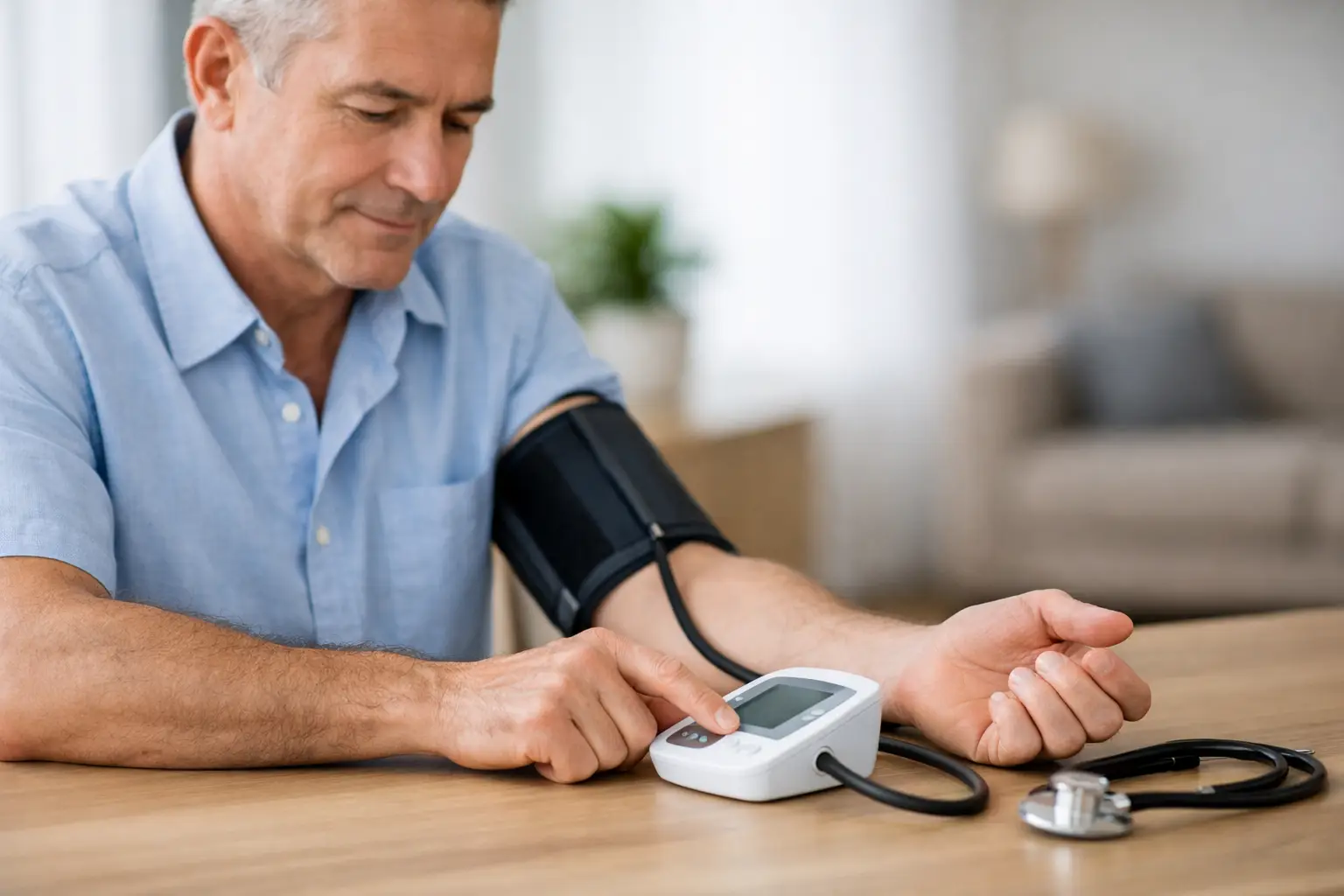
A home reading can be misleading for one simple reason: small mistakes change the numbers. If you want to know how to use a blood pressure monitor correctly, the goal is not just to press a button. It is to get a reading you can actually trust.
That matters more than many people realize. Blood pressure shifts throughout the day based on stress, caffeine, activity, sleep, pain, and even whether you are talking during the test. A monitor can be a very helpful tool for tracking trends at home, but only if you use it the same way each time.
Why home blood pressure readings matter
Checking your blood pressure at home can give a clearer picture than a single reading in a medical office. Some people get nervous during appointments and see a higher number than usual. Others may have normal readings at the clinic but higher numbers during daily life.
Home monitoring can help you and your doctor spot patterns, see whether lifestyle changes are helping, and understand how well medication is working. It can also help caregivers keep an eye on loved ones with hypertension, heart disease, diabetes, kidney concerns, or a family history of stroke.
Still, home tracking is not perfect. A low-quality device, the wrong cuff size, or poor technique can all throw things off. That is why learning the right process matters.
Pick the right monitor before you start
If you are buying a device, an automatic upper-arm monitor is usually the easiest and most reliable option for home use. Wrist and finger monitors may seem more convenient, but they are often more sensitive to body position and can be less accurate.
Look for a monitor with a cuff that fits your arm properly. This is a big deal. A cuff that is too small can make your blood pressure look higher than it really is. A cuff that is too large can also affect the reading. If you are not sure, measure around your upper arm and compare it to the cuff size listed on the package.
Some monitors store past readings or connect to an app. That can be useful if you are trying to track changes over time, but fancy features are not the most important thing. Ease of use and correct cuff fit matter more.
How to prepare before taking a reading
This is where many people go wrong. Your body needs to be in a resting state, or the number may not reflect your usual blood pressure.
Try to avoid smoking, caffeine, exercise, and alcohol for at least 30 minutes before checking. Go to the bathroom first if you need to. A full bladder can raise the reading. Then sit quietly for at least five minutes before starting.
Choose a chair with back support and sit with both feet flat on the floor. Do not cross your legs. Rest your arm on a table so the cuff sits at heart level. If your arm is hanging down or lifted too high, the result can be inaccurate.
It is also smart to measure at the same times each day, especially if your doctor wants you to track trends. Morning and evening are common choices.
How to use a blood pressure monitor step by step
Once you are seated and relaxed, place the cuff on your bare upper arm. Do not wrap it over a shirt or sweater. The lower edge of the cuff should sit about an inch above the bend of your elbow. Most cuffs have a marker to help line it up with the artery in your arm.
The cuff should feel snug but not painfully tight. You should be able to slide a fingertip under it. If it is loose, the reading may be off.
Now stay still and quiet. Press the start button and let the monitor inflate the cuff. As it tightens, you may feel pressure for a few seconds. That is normal. Keep your arm relaxed on the table and do not talk, text, laugh, or look around.
When the test is done, the screen will show your systolic pressure, diastolic pressure, and usually your pulse. Systolic is the top number. It measures pressure when the heart beats. Diastolic is the bottom number. It measures pressure between beats.
Do not panic over one unusual number. Blood pressure naturally changes. What matters more is the pattern across multiple readings.
Take two readings, not just one
A single reading can be noisy. Many experts suggest taking two readings, about one minute apart, and recording both. Some people take a third if the first two are very different.
If you are just getting started, it is also helpful to measure at the same times for several days. That gives a better sense of your usual range than one random check after a stressful afternoon.
Write down the date, time, and numbers, along with anything that may have affected the reading, like poor sleep, anxiety, a salty meal, or recent exercise. If your monitor stores readings automatically, review them regularly instead of assuming you will remember.
Common mistakes that can raise or lower your numbers
Many home readings are wrong for simple reasons. Talking during the test is a big one. So is sitting with crossed legs, using the cuff over clothing, or checking right after climbing stairs.
Another common issue is poor posture. If your back is unsupported, your feet are dangling, or your arm is not at heart level, you may get a reading that does not reflect your true blood pressure.
Cuff size is another major factor. If your numbers always seem unusually high or oddly inconsistent, make sure the cuff actually fits your arm. Also check the monitor batteries. A weak device can create problems too.
And then there is timing. If you check after coffee one day, after a workout the next day, and before bed on another day, the numbers may vary for reasons that have nothing to do with your overall health.
What the numbers generally mean
For most adults, a normal blood pressure reading is under 120/80 mm Hg. Elevated blood pressure starts when the top number is 120 to 129 and the bottom number stays under 80. High blood pressure is generally considered 130/80 or higher.
Those ranges are useful, but context matters. Age, medications, pregnancy, medical conditions, and your health history can all affect what your doctor considers acceptable or concerning. That is why home readings should support medical care, not replace it.
If you get a very high reading, wait a few minutes and test again after sitting quietly. If the number stays severely elevated, especially if you also have chest pain, shortness of breath, severe headache, weakness, confusion, or vision changes, seek urgent medical care.
When to check and when to call your doctor
Home monitoring is especially helpful if you have already been told you have high blood pressure, are starting a new medication, or want to see how habits like lower sodium intake, weight loss, stress management, or better sleep are affecting your numbers.
You should contact your doctor if your readings are repeatedly high, if they are much lower than usual and you feel dizzy or weak, or if the numbers swing wildly from day to day. Bring your log to your appointment. That record can be more helpful than one office reading.
It is also a good idea to bring your monitor to a medical visit once in a while so the office can compare your machine with their equipment. This helps confirm that your device is reading accurately.
Can natural habits help lower blood pressure?
For many people, yes. Home monitoring often works best when paired with daily habits that support heart health. Reducing sodium, staying active, sleeping enough, managing stress, limiting excess alcohol, and maintaining a healthy weight can all make a difference.
Some people are also interested in herbal and food-based support. That can fit into a broader wellness plan, but it should be approached carefully. Herbs and supplements can interact with blood pressure medication or affect heart rate. If you are considering natural remedies, use home readings to track changes and talk with your healthcare provider before adding anything new.
That is one reason a monitor is so useful. It turns guesswork into something more concrete.
A few final tips for better readings at home
Keep your monitor in an easy-to-reach place so checking becomes a routine, not a hassle. Use it in a quiet room. Follow the same setup each time. If another family member uses the device, make sure the cuff size works for them too.
Most of all, focus on trends, not isolated spikes. Blood pressure is not a fixed number. It moves. The real value of home monitoring is seeing the bigger picture clearly enough to take the next right step.

