
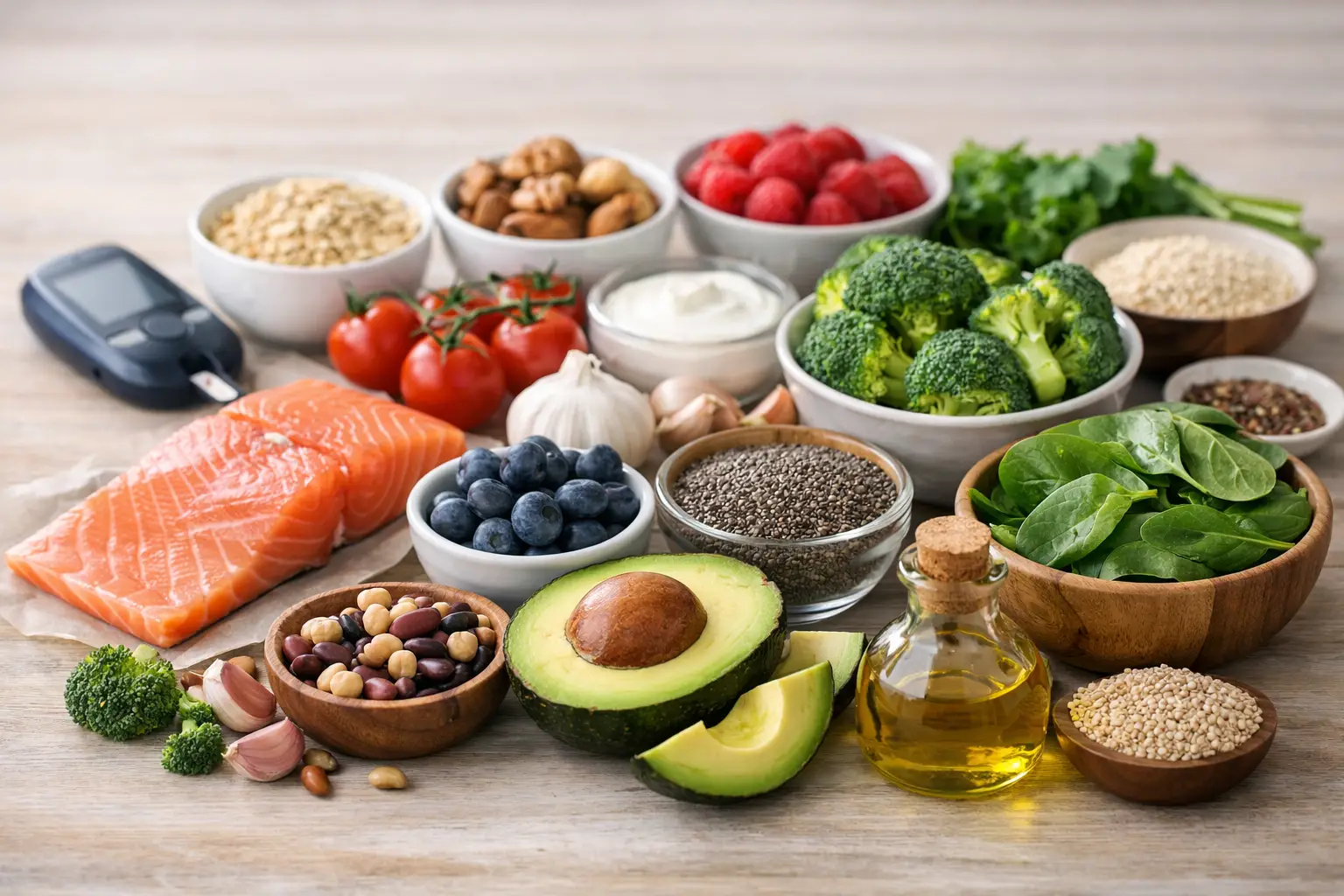
That mid-afternoon crash after lunch is not always about being busy or sleeping badly. For many people, it starts with what was on the plate. If you are looking for foods that lower blood sugar, the goal is not a magic ingredient. It is choosing foods that slow digestion, improve insulin response, and help your body avoid sharp glucose spikes.
Blood sugar is affected by more than sweets. White bread, sugary drinks, oversized portions of rice or pasta, and even some “healthy” snacks can push glucose up fast. On the other hand, certain foods support steadier blood sugar because they are rich in fiber, protein, healthy fats, or plant compounds that help the body use glucose more efficiently.
This matters whether you have diabetes, prediabetes, insulin resistance, or you simply want more stable energy. It also matters if diabetes runs in your family. Food cannot replace medical care, but the right food choices can make daily blood sugar management easier.
How foods that lower blood sugar actually help
The phrase sounds simple, but no food reaches into your bloodstream and pulls sugar down on command. What these foods do is help reduce spikes after meals, improve fullness, and support better insulin function over time.
Fiber is one of the biggest reasons. Soluble fiber slows how quickly carbohydrates are broken down and absorbed. Protein and healthy fats also help by making meals digest more slowly. Some foods, especially plant foods, contain antioxidants and natural compounds that may support insulin sensitivity.
That said, context matters. Oatmeal can be helpful, but a giant bowl with brown sugar and dried fruit may still spike blood sugar. Fruit can absolutely fit, but portion size and what you pair it with make a difference. Think in terms of meals, not miracle foods.
11 foods that lower blood sugar most effectively
1. Nonstarchy vegetables
Leafy greens, broccoli, cauliflower, zucchini, cucumbers, peppers, and green beans are some of the best foods for blood sugar support. They are low in digestible carbs and high in fiber, water, and nutrients.
They also make meals bigger without loading them with glucose-raising starch. That is useful if you are trying to feel satisfied while eating fewer refined carbs. Roasted broccoli with salmon or a salad built around greens, beans, and chicken will usually affect blood sugar very differently than a sandwich and chips.
2. Beans and lentils
Beans, chickpeas, and lentils are one of the smartest carb choices for people who want steadier glucose. They contain fiber and plant protein, so they digest more slowly than refined grains.
They are not low carb, but they are slow carb. That distinction matters. A half cup added to soup, grain bowls, or salads can help make a meal more balanced and filling.
3. Oats
Plain oats contain a type of soluble fiber called beta-glucan, which helps slow digestion. That can lead to a gentler rise in blood sugar compared with sugary cereals or pastries.
The catch is preparation. Instant flavored oatmeal packets often contain added sugar. Steel-cut or old-fashioned oats are usually a better pick, especially when topped with nuts, seeds, or plain Greek yogurt instead of syrup.
4. Nuts
Almonds, walnuts, pistachios, and peanuts offer healthy fats, fiber, and a little protein. They are especially useful as a snack because they can take the place of crackers, candy, or other fast-digesting foods.
A small handful can help curb hunger and reduce the blood sugar roller coaster that comes from eating mostly refined carbs. Portion size still matters because calories add up quickly, but nuts are one of the simplest upgrades you can make.
5. Seeds
Chia seeds, flaxseeds, and pumpkin seeds are small but surprisingly helpful. Chia and flax are especially rich in fiber, and they absorb water, which can slow digestion and support fullness.
You do not need much. Stir them into oatmeal, yogurt, or smoothies, or sprinkle them over salads. Ground flax is often easier to digest than whole flaxseed.
6. Berries
Fruit gets blamed for blood sugar problems far too often, but berries are one of the better choices. Strawberries, blueberries, raspberries, and blackberries provide fiber and antioxidants with less sugar than many other fruits.
Raspberries and blackberries are especially fiber-rich. If you want fruit at breakfast or dessert, berries paired with protein, such as cottage cheese or plain yogurt, are often a practical option.
7. Greek yogurt
Plain Greek yogurt is high in protein and lower in carbs than many flavored yogurts. That makes it more blood sugar-friendly, especially at breakfast or as a snack.
What matters most is the label. Many fruit-on-the-bottom or dessert-style yogurts are packed with added sugar. Plain yogurt with berries and cinnamon is usually a much stronger choice.
8. Eggs
Eggs do not contain carbs, so they do not directly raise blood sugar. They are also filling, which may help reduce overeating later in the day.
For many people, a protein-rich breakfast such as eggs with vegetables works better for blood sugar than toast, juice, or cereal alone. If you have been relying on high-carb breakfasts and feeling hungry two hours later, this is worth testing.
9. Avocados
Avocados are rich in healthy fats and fiber, which makes them a strong food for slowing digestion and improving satisfaction after meals. They work well in salads, grain bowls, sandwiches, or as a spread in place of sugary sauces.
They are not a cure-all, and they are calorie-dense, but they can help turn a carb-heavy meal into a more balanced one.
10. Fatty fish
Salmon, sardines, trout, and mackerel do not lower blood sugar instantly, but they support overall metabolic health. Their protein helps stabilize meals, and omega-3 fats may support heart health, which is especially important for people with diabetes or prediabetes.
Replacing processed meats or fried foods with fish a few times a week is one of those changes that looks small but adds up.
11. Cinnamon and vinegar
These are not stand-alone fixes, but they can be useful supports. Cinnamon may help with insulin sensitivity in some people, though results are mixed and it is not a treatment. Vinegar, especially when used in dressings or with meals, may reduce the blood sugar rise after eating.
Think of them as extras, not the foundation. A cinnamon roll is not blood sugar-friendly because it contains cinnamon. The whole meal still counts.
What to eat with these foods for better results
The best strategy is not just adding one healthy item. It is building meals that combine fiber, protein, and healthy fat. That combination slows digestion and usually leads to steadier energy.
A few examples make this easier to picture. Instead of plain toast for breakfast, try eggs with sautéed spinach and one slice of whole grain toast. Instead of a huge bowl of white rice, try a smaller portion paired with grilled chicken, black beans, and roasted vegetables. Instead of crackers alone, have an apple with peanut butter or plain Greek yogurt with berries and chia seeds.
These swaps are realistic, affordable, and easy to repeat. That is what makes them powerful.
Foods that can work against blood sugar control
If you are focusing on foods that lower blood sugar, it helps to know what commonly pushes it up fast. Sugary drinks are one of the biggest offenders because liquid sugar hits the bloodstream quickly. White bread, pastries, candy, sweet coffee drinks, and heavily processed snack foods are also common problems.
Even foods that sound healthy can be tricky. Granola bars, flavored oatmeal, smoothies made with fruit juice, and low-fat yogurts often contain more added sugar than people expect. Reading labels can save you from a lot of guesswork.
A few herbal and natural wellness notes
Because many Herbafama readers are interested in natural support, it is worth saying this clearly: herbs and supplements may sound appealing, but they are not risk-free. Some can interact with diabetes medications or make blood sugar drop too low.
If you already take insulin or glucose-lowering medicine, do not add concentrated herbal products casually. Food-first changes are usually the safest place to start. If you want to try a supplement, talk with your healthcare provider, especially if your numbers are already running low at times.
When food is not enough
Diet can make a real difference, but it is not the whole picture. Sleep, stress, activity level, medications, hormones, and genetics all affect blood sugar. If you have symptoms like unusual thirst, frequent urination, blurry vision, numbness, or fatigue after meals, it is smart to get checked.
Sometimes people do everything “right” and still need medical treatment. That is not failure. It just means your body needs more support than food alone can provide.
The good news is that blood sugar-friendly eating does not have to be extreme. Start with one meal a day, add more fiber and protein, and cut back on the foods that spike you most. Small changes done consistently often help more than a short burst of perfect eating.

