
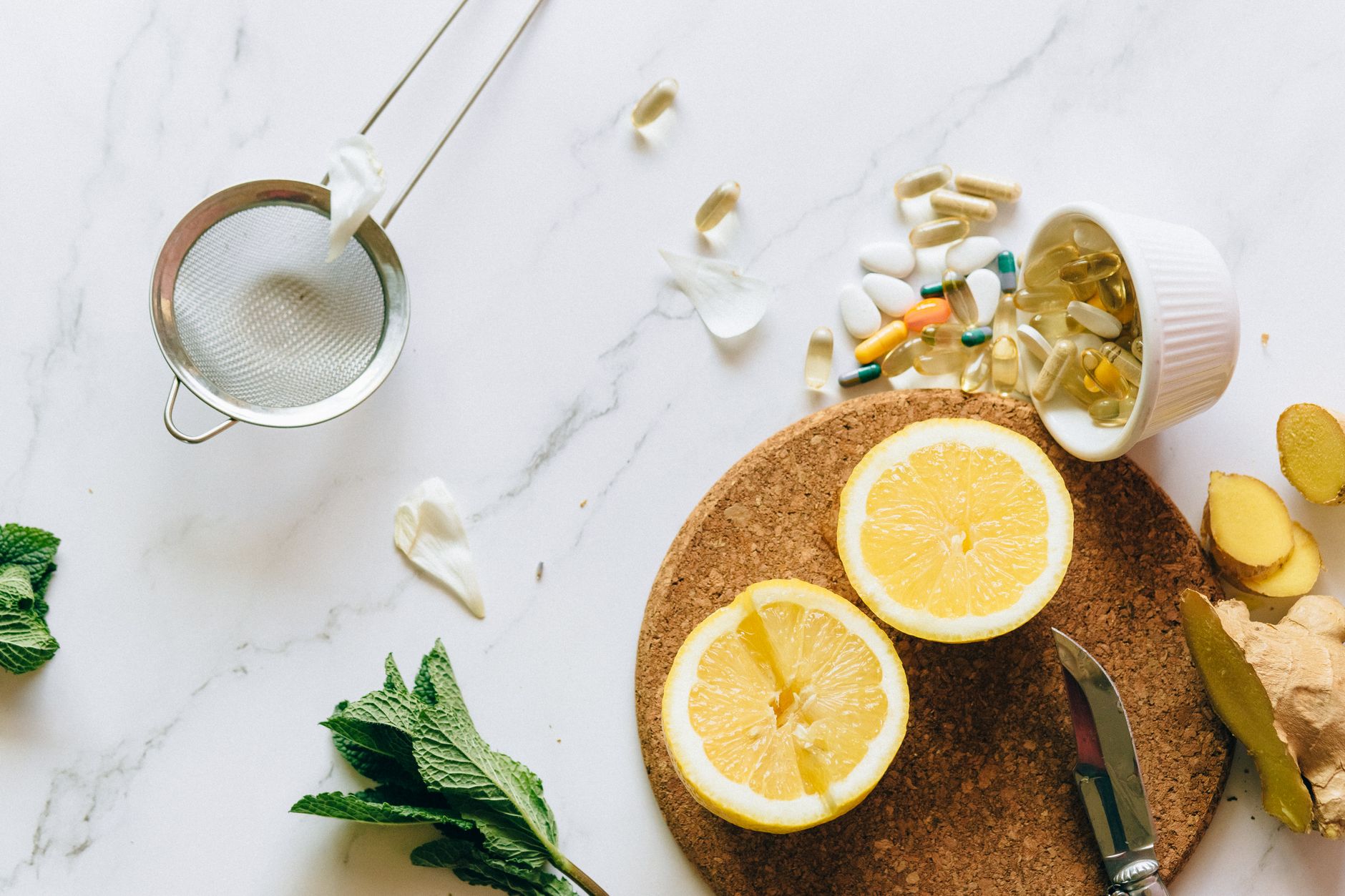

best herbs for immune system support is one of the most important investments you can make in your long-term health. As we navigate through 2026, the demand for natural immune support has never been higher, and South African consumers are increasingly turning to traditional herbs and modern science to build stronger defenses against illness. This comprehensive guide explores the most effective herbs proven to enhance immune function, boost your body’s natural defenses, and help you maintain optimal wellness throughout the year.
Understanding Your Immune System and Why Herbs Matter in 2026
The Role of Herbal Medicine in Modern Immunity
Your immune system is your body’s natural defense mechanism against pathogens, viruses, and bacteria. In 2026, with various environmental stressors and health challenges affecting South Africans daily, supporting your immune system has become essential. The best herbs for immune system enhancement work by stimulating white blood cell production, reducing inflammation, and providing antioxidant protection. Unlike synthetic supplements, herbs offer a whole-plant approach that includes multiple active compounds working synergistically to support your body’s natural healing abilities.
Herbal medicine has been used for thousands of years across cultures, from traditional African healing practices to ancient Chinese medicine and Indian Ayurveda. Modern scientific research conducted in 2026 continues to validate what traditional healers have known for centuries: certain plants possess remarkable immune-boosting properties. These herbs contain bioactive compounds including polysaccharides, alkaloids, and phenolic compounds that directly interact with your immune cells.
Why South Africans Are Choosing Herbal Solutions
South African communities have a rich heritage of traditional medicine, and in 2026, there’s a growing recognition of the value these time-tested remedies offer. The best herbs for immune system support are often more affordable, accessible, and sustainable than conventional pharmaceutical options. Additionally, many South Africans prefer natural solutions that align with traditional wellness philosophies and cultural practices.
The shift toward herbal immunity support reflects broader health trends in 2026, where people seek preventative care rather than reactive treatment. By incorporating immune-boosting herbs into your daily routine, you’re taking proactive steps to reduce your risk of illness and maintain vitality year-round. This approach complements any wellness program and works alongside conventional medicine when needed.
Echinacea: The Powerhouse Cold Fighter
How Echinacea Strengthens Immune Response
Echinacea stands as one of the most researched and recognized herbs in the best herbs for immune system category. This North American native plant has been used for centuries to support immune function and is particularly valued for its ability to reduce the duration and severity of cold and flu symptoms. The herb works by stimulating the activity of white blood cells, particularly macrophages and T-cells, which are crucial for fighting infections.
Research conducted through 2026 demonstrates that echinacea benefits for colds extend beyond simple symptom relief. The herb contains active compounds called alkylamides and polysaccharides that interact with immune cells to enhance their pathogen-fighting capabilities. When taken at the first sign of cold symptoms, echinacea can reduce symptom duration by up to three days and significantly decrease severity. This makes it an invaluable component of the best herbs for immune system maintenance during winter months and throughout the year.
Proper Use and Dosage of Echinacea
The effectiveness of echinacea depends significantly on proper selection and preparation. In 2026, consumers should look for standardized extracts containing at least 4% phenolic compounds or supplements derived from the whole plant, including roots, leaves, and flowers. Different species—Echinacea purpurea, E. angustifolia, and E. pallida—offer varying potency levels, with E. purpurea generally considered the most effective for immune support.
- Take echinacea at first sign of cold symptoms for maximum benefit
- Standard dosage: 300-500mg three times daily for 7-10 days
- Best used as a short-term immune boost rather than daily supplement
- Choose quality brands that conduct third-party testing
- Combine with other immune herbs for synergistic effects
Elderberry: Nature’s Antiviral Arsenal
The Science Behind Elderberry’s Immune Power
Elderberry consistently ranks among the best herbs for immune system enhancement, particularly for viral infections. The dark purple berries contain potent anthocyanins and bioflavonoids that provide antiviral and anti-inflammatory benefits. In 2026, multiple studies confirm that elderberry extracts can inhibit influenza virus replication and reduce viral load in infected individuals. The herb essentially creates an unfavorable environment for viruses while bolstering your body’s natural antiviral defenses.
What makes elderberry particularly valuable as part of the best herbs for immune system strategy is its dual action: it both prevents infection when taken preventatively and reduces severity when taken during illness. Many South African families have incorporated elderberry syrup into their winter wellness routines, recognizing its effectiveness and safety profile. The herb is especially beneficial for children and elderly individuals who need extra immune support.
Elderberry Products and Selection Guide
Finding quality elderberry products in 2026 requires understanding the different forms available. Syrups, tinctures, capsules, and whole-food extracts all offer benefits, but concentration and purity vary significantly among brands. The most effective elderberry products contain significant concentrations of whole berry extract, preferably standardized for anthocyanin content.
- Elderberry syrup: ideal for children, pleasant taste, easy to administer
- Standardized extracts: concentrated immune benefits, precise dosing
- Tinctures: longer shelf-life, convenient for travel
- Lozenges: portable option for immune support on-the-go
- Combination formulas: often paired with echinacea or vitamin C
Garlic, Ginger, and Turmeric: The Culinary Immune Trinity
Garlic as a Potent Immunomodulator
Garlic deserves recognition as a cornerstone ingredient in the best herbs for immune system support, particularly in South African cuisine where it’s readily available and affordable. This pungent bulb contains allicin, a sulfur compound released when garlic is crushed or chopped. Allicin possesses remarkable antimicrobial, antiviral, and immune-stimulating properties that make garlic a functional medicine powerhouse in 2026. Regular consumption of fresh garlic can increase natural killer cell activity, enhance phagocytosis, and improve overall immune surveillance.
The beauty of incorporating garlic into the best herbs for immune system strategy is that it serves double duty: it’s both a culinary staple and a therapeutic food. Adding fresh garlic to meals, soups, and stir-fries provides daily immune benefits without the need for supplementation. In 2026, research continues to demonstrate that individuals consuming garlic regularly experience fewer respiratory infections and reduced illness duration.
Ginger and Turmeric’s Complementary Immune Benefits
Ginger and turmeric form a powerful duo within the best herbs for immune system category, offering complementary anti-inflammatory and antioxidant benefits. Ginger contains gingerols and shogaols—compounds that reduce inflammation and enhance immune cell function. Turmeric’s primary active component, curcumin, is renowned for potent anti-inflammatory effects that support immune regulation and prevent excessive inflammatory responses that can impair immunity.
In 2026, the traditional golden milk preparation combining turmeric, ginger, and other spices has gained significant popularity throughout South Africa as a convenient way to consume these immune-supporting herbs. Creating a simple paste of fresh turmeric, ginger, black pepper (which enhances curcumin absorption), and coconut oil provides a delicious way to incorporate the best herbs for immune system support into your daily routine. This combination addresses multiple aspects of immune health simultaneously.
Astragalus, Reishi, and Medicinal Mushrooms: Adaptogenic Immune Support
Astragalus: The Ancient Immune Tonic
Astragalus root has been used in traditional Chinese medicine for centuries and remains one of the best herbs for immune system fortification in 2026. This adaptogenic herb works differently from acute-response herbs like echinacea, instead providing sustained immune support through regular consumption. Astragalus stimulates the production of cytokines and increases natural killer cell activity, essentially training your immune system to respond more effectively to threats.
What distinguishes astragalus within the best herbs for immune system category is its ability to strengthen weakened immunity without overstimulating healthy systems. This makes it ideal for individuals with chronic immune challenges or those recovering from illness. In South Africa, astragalus is increasingly available through health practitioners and online retailers specializing in traditional herbal formulas. Regular consumption builds what traditional Chinese medicine practitioners call “wei qi”—your body’s protective shield against pathogens.
Medicinal Mushrooms and Reishi’s Immune Regulation
Medicinal mushrooms—including reishi, shiitake, maitake, and cordyceps—represent some of the most scientifically validated components of the best herbs for immune system enhancement available in 2026. These fungi contain polysaccharides, particularly beta-glucans, that directly enhance immune cell function and increase the production of beneficial cytokines. Unlike herbs that stimulate immune activity temporarily, medicinal mushrooms promote balanced, sustained immune function.
Reishi mushroom specifically has become increasingly popular among health-conscious South Africans seeking the best herbs for immune system support combined with stress reduction and sleep improvement. The mushroom’s bioactive compounds interact with immune receptors to promote a healthy inflammatory response and prevent immune dysregulation. In 2026, reishi supplements and mushroom coffee blends provide convenient ways to access these immune benefits daily.
Oregano, Thyme, and Sage: Aromatic Immune Protectors
Oregano Oil and Carvacrol’s Antimicrobial Properties
Oregano stands prominently among the best herbs for immune system defense, particularly in its concentrated oil form. The herb contains carvacrol and thymol—powerful aromatic compounds with demonstrated antimicrobial, antiviral, and antifungal properties. In 2026, oregano oil represents one of the most potent herbal antimicrobials available, often rivaling pharmaceutical options in laboratory tests while remaining completely natural and well-tolerated by most individuals.
The effectiveness of oregano as part of the best herbs for immune system strategy stems from its ability to inhibit pathogen growth while simultaneously supporting healthy immune function. Studies show that oregano oil can reduce bacterial load without the side effects associated with synthetic antibiotics. Many South Africans are incorporating oregano oil into their wellness protocols, either as dietary supplements or as culinary oil in salad dressings and cooking.
Thyme and Sage for Respiratory Support
Thyme and sage deserve recognition as essential components of the best herbs for immune system support, particularly for respiratory health. These Mediterranean herbs contain thymol and other volatile oils that support clear breathing, reduce inflammation, and possess antimicrobial properties. In 2026, herbal teas combining thyme and sage have become standard remedies for sore throats and respiratory infections throughout South Africa.
- Thyme supports healthy mucus production and respiratory function
- Sage acts as an astringent, helping reduce throat inflammation
- Both herbs contain antimicrobial compounds effective against common pathogens
- Thyme syrup provides concentrated immune benefits for cough relief
- Fresh or dried herbs in teas offer the most accessible consumption method
Vitamin C-Rich Herbs and Immune Synergy: Creating Your 2026 Protocol
Rosehip and Other High-Vitamin C Herbs
While vitamin C supplementation receives considerable attention, the best herbs for immune system support often include natural vitamin C sources that provide additional bioflavonoids and protective compounds. Rosehip, derived from the fruit of wild rose varieties, contains exceptional levels of vitamin C along with bioflavonoids and proanthocyanidins that enhance absorption and maximize immune benefits. In 2026, rosehip tea has become a beloved daily beverage throughout South Africa, particularly during winter months when immune support becomes especially important.
The advantage of consuming vitamin C through herbs rather than isolated supplements is the synergistic presence of cofactors and bioflavonoids. Rosehip also contains lycopene and beta-carotene, creating a comprehensive micronutrient package for immune support. When rosehip is combined with other components of the best herbs for immune system protocols, the benefits multiply through pharmacological synergy.
Creating Your Personal Best Herbs for Immune System Protocol
Developing an effective immune support strategy requires understanding how different herbs work together. The best herbs for immune system enhancement function optimally when combined thoughtfully based on your specific needs and health status. In 2026, many health practitioners recommend a tiered approach: daily adaptogenic herbs like astragalus and medicinal mushrooms form your foundation, while acute-response herbs like echinacea and elderberry are reserved for when you feel illness approaching.
| Herb | Primary Use | Best Form | Daily Dosage | Duration |
|---|---|---|---|---|
| Astragalus | Daily immune foundation | Powder or capsule | 500-1000mg | Ongoing |
| Echinacea | Acute cold response | Extract or tea | 300-500mg x3 | 7-10 days |
| Elderberry | Antiviral support | Syrup or extract | As directed | 7-14 days |
| Garlic | Daily antimicrobial | Fresh or supplement | 1-3 cloves daily | Ongoing |
| Ginger | Anti-inflammatory | Fresh, tea, or powder | 500-1000mg | Ongoing |
| Reishi | Immune regulation | Extract or powder | 1000-2000mg | Ongoing |
| Oregano | Antimicrobial boost | Oil or extract | 100-150mg | As needed |
| Rosehip | Vitamin C support | Tea or powder | 1000-1500mg | Ongoing |
Understanding the relationship between these herbs helps you optimize their effectiveness. For comprehensive immune support in 2026, consider consulting with a qualified herbalist or naturopath who can assess your individual needs and create a personalized protocol. Different seasons, stress levels, and health challenges call for different combinations of the best herbs for immune system support.
For additional information on specific health concerns, you may want to explore milk thistle liver health benefits if liver support is important for your overall wellness, or review health, herbs, diseases, nutrition & diet comparison 2026 for a comprehensive overview of herbal applications. For pet owners, Best Pet Insurance Companies of 2026 provides important information about safeguarding your family’s health needs.
Frequently Asked Questions About the Best Herbs for Immune System Support
Can I take multiple immune herbs simultaneously?
Yes, combining the best herbs for immune system support is often beneficial, as different herbs work through different mechanisms. However, certain combinations work better than others. For example, pairing astragalus with medicinal mushrooms creates synergistic immune foundation, while combining echinacea with elderberry provides comprehensive acute-illness support. Always start with smaller doses when combining herbs and monitor your body’s response. In 2026, many practitioners recommend using a framework approach: one foundational herb, one adaptogenic herb, and targeted acute herbs as needed.
How long does it take to feel immune benefits from herbs?
The timeline varies depending on which herbs you use and what you’re seeking to accomplish. Acute-response herbs like echinacea can show benefits within hours to days of use, making them ideal for addressing immediate threats. Foundational herbs like astragalus and reishi require consistent use over weeks to months to build robust immune resilience. In 2026, health practitioners typically recommend giving herbs 30-90 days of consistent use before evaluating their full effectiveness in your personal protocol.
Are herbal immune supplements safe for children and elderly individuals?
Most of the best herbs for immune system support are safe for children and elderly individuals when used appropriately, though dosages require adjustment. Elderberry syrup, for instance, is particularly child-friendly and remains one of the safest, most effective immune options for young ones. Elderly individuals benefit significantly from gentler, sustained-action herbs like astragalus rather than stimulating acute herbs. Always consult with a healthcare provider before introducing new herbs, particularly if someone is taking medications or has underlying health conditions.
Can I get immune benefits from culinary herbs alone without supplements?
Absolutely. Incorporating culinary herbs like garlic, ginger, oregano, and thyme into your daily meals provides genuine immune benefits when used regularly. Many of the best herbs for immune system support originated as culinary ingredients before being formalized as supplements. A diet rich in these aromatic herbs, combined with overall healthy eating patterns, can provide substantial immune protection. However, when you need concentrated benefits during acute illness or for individuals with weakened immunity, supplemental forms of these herbs deliver higher therapeutic doses efficiently.
How do I know if the herbs I’m purchasing are high quality?
Quality matters significantly when selecting the best herbs for immune system support. Look for products that provide third-party testing results, clearly state the form of the herb used (extract, whole plant, standardized percentage of active compounds), and come from reputable companies with transparent sourcing practices. In South Africa, purchasing from established herbal retailers or practitioners you trust provides assurance of quality. Avoid products making exaggerated claims, and research the company’s background and testing certifications. Pricing that seems too low often indicates lower quality or less potent formulations.