




Blood sugar can swing more than most people realize. One meal leaves you satisfied for hours, while another has you tired, shaky, hungry, or craving sweets an hour later. That is exactly why a guide to blood sugar control matters. Stable blood sugar can support energy, mood, appetite, weight goals, and long-term health, whether you have diabetes, prediabetes, insulin resistance, or you just want to feel better day to day.
Blood sugar, also called blood glucose, is the amount of sugar circulating in your bloodstream. Your body uses it for energy, but it needs to stay in a healthy range. When blood sugar rises too high too often, or drops too low, you may notice symptoms like fatigue, headaches, irritability, brain fog, increased thirst, or intense hunger. Over time, poor blood sugar control can raise the risk of serious health problems.
The good news is that steady blood sugar is not only about cutting out sugar. It usually comes down to a handful of daily habits that work together.
Why blood sugar control matters
When your blood sugar stays more stable, your body tends to feel more stable too. Many people notice fewer afternoon crashes, less snacking, better focus, and more consistent energy. For people with diabetes or prediabetes, blood sugar control also plays a major role in protecting the heart, kidneys, eyes, and nerves.
Even if you have never been told you have a blood sugar problem, frequent spikes and crashes can make healthy eating harder. A high-sugar breakfast, for example, may leave you hungry again quickly. That can lead to overeating later, especially if you are already stressed, underslept, or trying to lose weight.
This is where people often get stuck. They blame willpower, when the real issue may be blood sugar swings setting them up to feel hungry and drained.
A guide to blood sugar control starts with food balance
Food has the biggest immediate effect on blood sugar, but not all foods act the same way. Carbohydrates raise blood sugar the most because they break down into glucose. That does not mean carbs are bad. It means the type, amount, and what you eat with them all matter.
Refined carbs like sugary drinks, candy, pastries, and many white flour foods tend to raise blood sugar quickly. Fiber-rich carbs such as beans, oats, berries, lentils, sweet potatoes, and many vegetables usually digest more slowly. That slower rise can help you avoid the sharp spike-then-crash pattern.
One of the easiest ways to improve meals is to stop eating carbs alone whenever possible. Pairing carbohydrates with protein, healthy fat, or fiber can make a big difference. An apple with peanut butter will usually affect blood sugar differently than apple juice alone. Oatmeal topped with nuts and seeds may work better than a plain sugary cereal. Rice with chicken and vegetables is often a steadier option than a large bowl of rice by itself.
Portion size matters too. Even healthy carbs can push blood sugar too high if the serving is very large. You do not need to count every gram unless your clinician has told you to. For many people, a simple visual method helps: fill half the plate with non-starchy vegetables, add a palm-sized protein, and keep starches to a moderate portion.
The foods that help most
No single food controls blood sugar by itself, but some choices make the job easier. Protein-rich foods like eggs, Greek yogurt, fish, chicken, tofu, cottage cheese, beans, and lentils can help you stay full and slow digestion. Non-starchy vegetables such as broccoli, spinach, cauliflower, zucchini, cucumbers, and peppers add volume and fiber without causing big spikes.
Whole-food fats also have a place. Avocados, nuts, seeds, olive oil, and nut butters can make meals more satisfying. The key is moderation, since fats are calorie-dense.
Certain herbs and plant foods also get a lot of attention in natural wellness circles. Cinnamon, fenugreek, and bitter melon are often discussed for blood sugar support. Some early research is promising, but herbs are not a replacement for medical care, and they can interact with medications. If you take blood sugar medicine, ask your doctor or pharmacist before adding supplements or concentrated herbal products.
The habits that quietly raise blood sugar
People often focus only on dessert, but blood sugar is affected by more than food. Poor sleep, chronic stress, inactivity, dehydration, and inconsistent meal timing can all make control harder.
Sleep is a big one. Even one bad night can affect insulin sensitivity and increase cravings the next day. That is one reason people often want more sugary or starchy foods when they are exhausted. If your sleep is off, blood sugar goals may feel harder no matter how careful you are with meals.
Stress can have a similar effect. When you are under pressure, your body releases stress hormones that can raise blood sugar. Some people also stress-eat or skip meals when overwhelmed, which adds another layer. Simple stress support like walking, breathing exercises, stretching, prayer, journaling, or quiet time can help more than people expect.
Dehydration can also make blood sugar readings look worse. Drinking enough water is basic advice, but it matters.
Movement is one of the fastest tools you have
Exercise helps your muscles use glucose for energy, which can lower blood sugar and improve insulin sensitivity. You do not need intense workouts to get a benefit. In fact, one of the most practical strategies is walking after meals.
A short walk after lunch or dinner may help blunt a blood sugar rise. Strength training helps too because muscle tissue improves the body’s ability to handle glucose over time. If you are just getting started, aim for consistency over perfection. A 10-minute walk after meals done most days can be more realistic than a demanding routine you quit in two weeks.
If you take insulin or certain diabetes medicines, check with your clinician about exercise safety, especially if you are at risk for low blood sugar.
Signs your blood sugar may be off
Some people have no symptoms at all, which is why testing matters. Others notice warning signs that are easy to dismiss as stress or aging. Common signs include unusual thirst, frequent urination, tiredness after meals, strong sugar cravings, blurry vision, headaches, mood swings, and feeling shaky or weak when you have not eaten for a while.
These symptoms do not always mean diabetes, but they are worth paying attention to. If you have risk factors like excess weight around the midsection, a family history of diabetes, high blood pressure, polycystic ovary syndrome, or a history of gestational diabetes, it makes sense to ask for screening.
Should you monitor your blood sugar?
For people with diabetes, home monitoring may already be part of daily life. For others, testing may or may not be necessary. It depends on your health history, symptoms, and clinician’s advice.
Some people learn a lot from seeing how their own body responds to different meals, sleep patterns, or exercise. Others become anxious and overfocused on every number. That trade-off is real. Data can be helpful, but it should support healthier choices, not create fear around food.
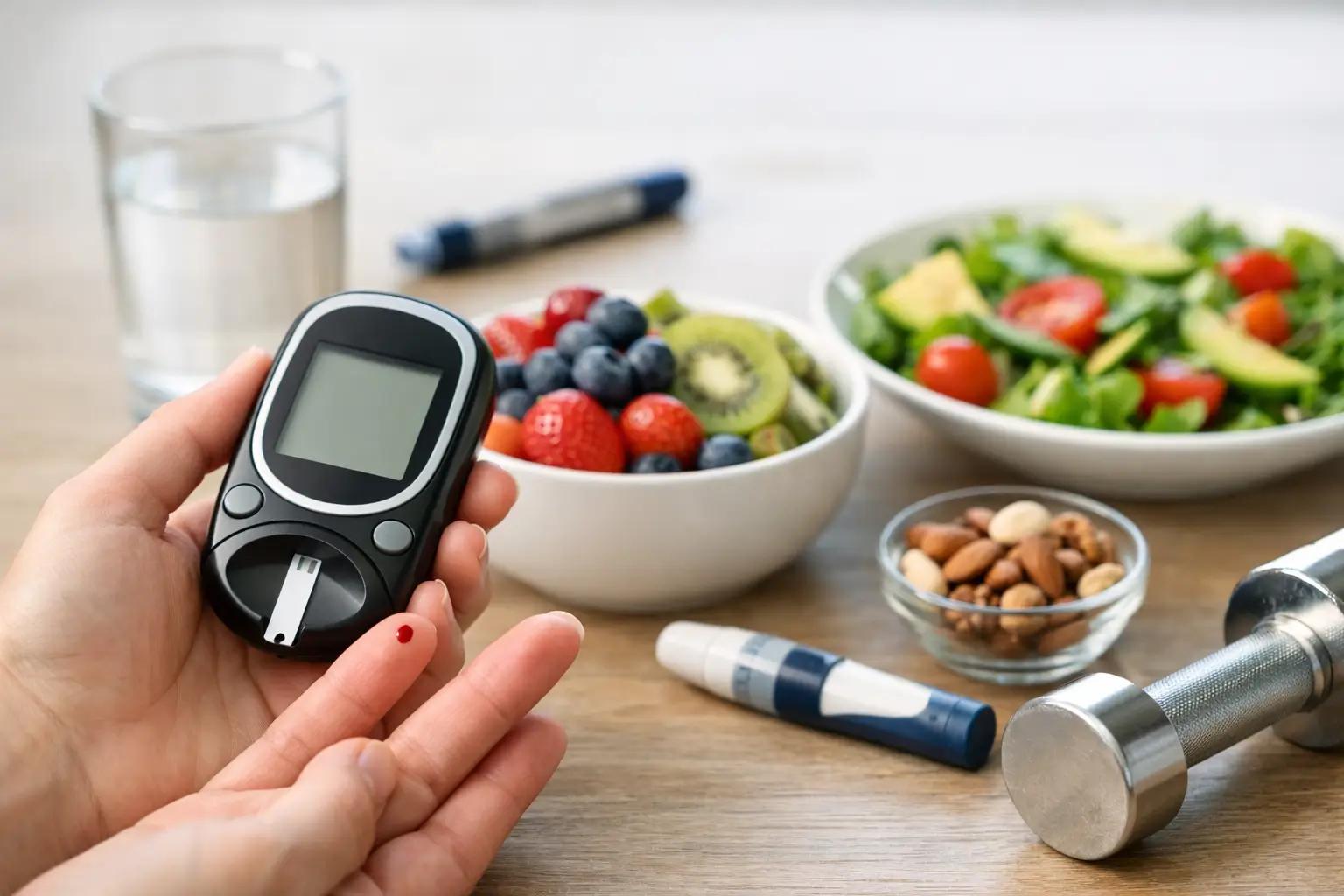
If you are using a glucose meter or continuous glucose monitor, look for patterns instead of obsessing over one reading. A meal that causes a big spike one day might not do the same after a better night of sleep or a post-meal walk.
What a blood sugar-friendly day can look like
A realistic day does not have to be extreme. Breakfast could be eggs with whole-grain toast and fruit, or plain Greek yogurt with berries, chia seeds, and nuts. Lunch might be a salad with chicken, beans, olive oil, and a small serving of whole grains. Dinner could be salmon, roasted vegetables, and sweet potato. Snacks, if needed, work better when they include protein or fat, like nuts, cheese, hummus, or apple slices with nut butter.
What matters most is not eating perfectly. It is building meals that are more balanced than before.
When to get medical advice
Lifestyle changes help a lot, but they do not replace proper testing or treatment when needed. If you have symptoms of high or low blood sugar, a history of prediabetes or diabetes, or repeated concerns about fatigue and cravings, get checked. Blood work can show whether your blood sugar is in a healthy range.
And if you already take medicine for diabetes, do not adjust it on your own based on an article. Natural strategies can be powerful, but they work best when they fit safely into your care plan.
The most helpful way to think about blood sugar control is this: small daily choices add up fast. A little more fiber, a little more movement, better sleep, less liquid sugar, and smarter meal balance can change how you feel sooner than you might expect.
