
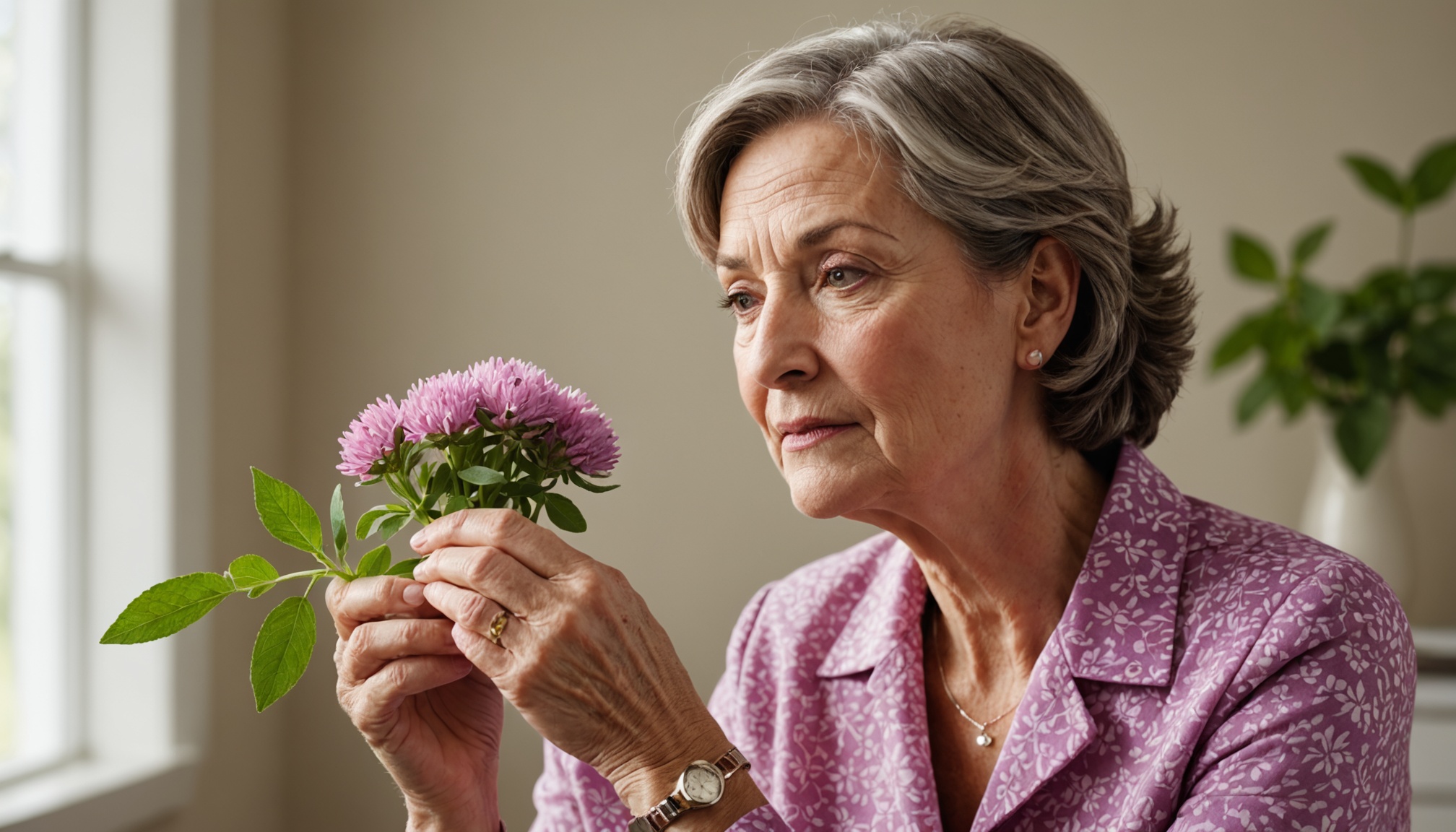
Red clover for menopause symptoms has gained attention as a potential natural option for women managing the transition into menopause, particularly for addressing hot flashes and night sweats. This article explores how red clover works in the body, what scientific evidence suggests about its effectiveness, and practical considerations for women weighing their options. You’ll also discover how red clover compares to other herbal approaches and what you should discuss with your healthcare provider before starting any supplement.
Understanding Red Clover and Its Active Compounds
What Makes Red Clover Different from Other Herbs
Red clover (Trifolium pratense) is a common plant found in meadows and fields across North America and Europe. Unlike some herbs used for menopause that focus on supporting overall hormonal balance, red clover contains isoflavones—plant-based compounds with a chemical structure similar to estrogen. This similarity is why researchers became interested in testing red clover for menopausal women experiencing hot flashes and related symptoms.
The plant’s isoflavone content distinguishes it from many other herbal remedies. When you consume red clover as a supplement, you’re receiving a concentrated dose of these specific compounds. The primary isoflavones in red clover are biochanin A, formononetin, daidzein, and genistein. Each of these compounds may interact with estrogen receptors in different tissues, though the exact mechanisms are still being researched.
How Red Clover Differs from Dairy and Soy Products
While soy products also contain isoflavones and are sometimes recommended for menopause symptoms, red clover offers a different profile. Red clover supplements provide a more concentrated and standardized amount of isoflavones compared to food sources. This matters because consistency in dosing is important when evaluating whether a supplement is helping with your symptoms.
Unlike consuming milk from dairy cattle that graze on clover-rich pastures, taking a red clover supplement delivers measurable amounts of the active compounds. This standardization means researchers can conduct studies with more reliable dosing, and you can know roughly how much of each isoflavone you’re consuming with each dose.
How Red Clover May Address Hot Flashes
The Estrogen Connection and Hot Flash Triggers
Hot flashes occur when estrogen levels drop during menopause, disrupting the body’s temperature regulation in the hypothalamus—the area of the brain that controls body temperature. When estrogen fluctuates or remains low, the hypothalamus becomes more sensitive to small changes in core body temperature, triggering a cascade of reactions. Your body responds as if it’s overheated, causing blood vessels to dilate rapidly and sweat glands to activate.
Red clover’s isoflavones may help by binding to estrogen receptors, providing a mild estrogenic effect. This doesn’t replicate the hormone replacement therapy approach, which uses pharmaceutical-grade estrogen and progesterone. Instead, red clover appears to offer a gentler, plant-based interaction with the body’s estrogen-sensitive tissues. Some women report that this helps stabilize the temperature regulation system, reducing the intensity and frequency of hot flashes.
Night Sweats and Sleep Disruption
Night sweats are essentially hot flashes that occur during sleep, and they often cause more disruption to daily life than daytime hot flashes because they interrupt sleep quality. Waking multiple times throughout the night soaked in sweat leads to fatigue, mood changes, and reduced cognitive function the next day. Over time, chronic sleep disruption from night sweats can affect metabolism, immune function, and emotional resilience.
Because red clover may help reduce the frequency of vasomotor symptoms (the technical term for hot flashes and night sweats), it may indirectly improve sleep. Women who experience fewer night sweats tend to wake less often, allowing for longer periods of uninterrupted sleep. Better sleep quality can then positively affect mood, energy levels, and the ability to manage other menopause-related changes.
What Clinical Research Shows About Red Clover
Study Results on Hot Flash Reduction
Multiple clinical trials have examined red clover’s effect on menopause symptoms, with mixed but generally encouraging results. Some studies show that women taking red clover supplements experience a measurable reduction in hot flash frequency and severity compared to placebo. The reduction typically ranges from modest to moderate, with some women reporting significant improvements while others notice minimal change.
The variability in results likely stems from several factors: the specific isoflavone formulation used, individual differences in how women metabolize isoflavones, the baseline severity of symptoms, and the duration of the study. A study lasting twelve weeks may show different results than one conducted over six months. Additionally, not all red clover supplements are formulated identically, so the amount and type of isoflavones can vary between brands.
Limitations and Gaps in Current Evidence
While red clover shows promise, the research base isn’t as extensive as that for hormone replacement therapy. Some studies have been small, with limited participant numbers, which reduces the statistical power to detect true effects. Placebo effects are also significant in menopause research because women’s expectations and stress levels influence symptom perception.
The research also suggests that red clover may work better for some women than others. This means if you decide to try red clover, results are individual and unpredictable. A trial period of eight to twelve weeks is typically recommended to determine whether the supplement is helping your particular symptoms. If you don’t notice improvement after this timeframe, it may not be the right option for you.
Comparing Red Clover to Other Menopause Management Approaches
Red Clover Versus Pharmaceutical Hormone Therapy
Hormone replacement therapy (HRT) uses pharmaceutical-grade estrogen and often progesterone to directly replicate the hormonal environment of pre-menopausal years. HRT typically produces more dramatic and rapid symptom relief than red clover, with many women experiencing significant hot flash reduction within weeks. However, HRT carries potential risks, including slightly increased risk of blood clots, stroke, and breast cancer with long-term use, which is why some women prefer to explore gentler alternatives first.
Red clover offers a middle ground for women seeking symptom relief without prescription medications. It’s available over the counter, doesn’t require a doctor’s prescription, and carries fewer documented risks. The trade-off is that it may work less dramatically and takes longer to show effects. Some women use red clover as a first-line approach and consider HRT only if herbal options prove insufficient.
Red Clover Alongside Other Natural Strategies
Red clover isn’t typically used alone for menopause management. Many women combine it with lifestyle modifications such as regular exercise, stress reduction techniques, dietary adjustments, and improved sleep hygiene. Cool sleeping environments, lightweight bedding, and limiting caffeine and spicy foods can all contribute to reducing hot flash severity. When red clover is part of a comprehensive approach that includes these strategies, results often improve.
Women interested in broader nutritional support for menopause often explore the health, herbs, diseases, nutrition & diet comparison 2026 to understand how dietary choices interact with menopause. Some women also combine red clover with other herbs like sage, which has some research supporting its use for hot flashes, though these combinations haven’t been extensively studied.
| Approach | Speed of Relief | Symptom Reduction Typical Range | Availability | Potential Risks |
|---|---|---|---|---|
| Red Clover Supplements | 4-12 weeks | 25-50% reduction | Over the counter | Rare, generally mild |
| Hormone Replacement Therapy | 2-4 weeks | 50-90% reduction | Prescription required | Increased clot risk, stroke risk with long-term use |
| Lifestyle Changes Alone | Variable | 10-30% reduction | Free or low cost | None |
| Red Clover Plus Lifestyle Changes | 4-8 weeks | 40-60% reduction | Over the counter plus behavioral | Rare, generally mild |
Dosage, Forms, and Practical Considerations
Common Red Clover Supplement Forms and Dosing
Red clover is available in several forms: standardized extract tablets, capsules, teas, and tinctures. Standardized extract products are the most common form used in clinical research because they provide consistent isoflavone content. Most standardized products contain between 40 to 160 mg of isoflavones per dose, with typical recommendations ranging from one to two doses daily.
The form you choose affects absorption and convenience. Capsules and tablets are easy to take consistently and provide reliable dosing. Teas and tinctures offer a more traditional approach and allow flexibility in dosing, though measuring the exact isoflavone content is less precise. Some women prefer the ritual of preparing a tea, while others want the simplicity of a daily pill.
Timeline for Results and How to Monitor Effectiveness
Many women ask how long red clover takes to work. The typical timeline involves noticing gradual changes over four to twelve weeks. Some women report improvements within two to three weeks, while others require the full twelve weeks before deciding if the supplement is beneficial. This slow timeline differs from prescription medications, which may show effects within days.
To accurately assess whether red clover is helping, keep a symptom diary for at least two weeks before starting the supplement and continue tracking throughout your trial period. Record the frequency and severity of hot flashes and night sweats, along with any changes in mood, sleep quality, or other menopause symptoms. This data helps you make an informed decision about whether to continue using the supplement beyond the initial trial period.
- Start with a consistent daily dose and avoid changing doses mid-trial
- Use a symptom tracker app or notebook to record hot flash frequency and intensity
- Note any improvements in sleep, energy, or mood as secondary benefits
- Allow at least eight to twelve weeks before concluding whether red clover works for you
- Discuss your results with your healthcare provider at follow-up appointments
Safety, Interactions, and Who Should Avoid Red Clover
Potential Side Effects and Contraindications
Red clover is generally well-tolerated by most women, with side effects being uncommon and typically mild. Some women report mild digestive symptoms, headaches, or skin reactions, but these usually resolve quickly. The more important consideration involves medical conditions and medications that may interact with red clover’s phytoestrogen content.
Women with a history of estrogen-sensitive cancers, including some types of breast cancer, should consult their healthcare provider before taking red clover. While red clover’s estrogenic effect is much weaker than pharmaceutical HRT, the possibility of stimulating cancer cell growth is a concern for these individuals. Similarly, women taking blood-thinning medications like warfarin should discuss red clover use because some research suggests isoflavones may have mild anticoagulant properties, though this remains debated in the scientific literature.
Drug Interactions and When to Talk to Your Doctor
If you take medications, discussing red clover with your healthcare provider is important, particularly if you’re on hormone-sensitive medications, blood thinners, or drugs metabolized through specific liver pathways. Red clover may theoretically interfere with these medications, though documented cases of clinically significant interactions are rare. Your doctor can review your specific medication list and provide personalized guidance.
Certain conditions also warrant medical consultation before starting red clover. Women with blood clotting disorders, those scheduled for surgery, or individuals with liver disease should discuss red clover use with their healthcare provider. Additionally, if you have other chronic health conditions or take multiple supplements, getting professional input ensures red clover fits safely into your overall health plan.
- Discuss red clover with your doctor if you have a history of hormone-sensitive cancer
- Inform your healthcare provider if you take blood thinners or antiplatelet medications
- Mention red clover use if starting new medications, as your doctor may need to adjust doses
- Stop taking red clover at least two weeks before elective surgery
- Be transparent about all supplements you use during medical appointments and health screenings
Red Clover’s Broader Role in Women’s Health Beyond Menopause
Bone Health and Cardiovascular Support
Beyond menopause symptoms, red clover has been studied for its potential effects on bone density and heart health. As women transition through menopause, declining estrogen affects bone mineral density, increasing fracture risk. Some research suggests that red clover’s isoflavones may help maintain bone density, though evidence is mixed and ongoing. If you’re concerned about osteoporosis or bone health during menopause, discuss screening and prevention strategies with your healthcare provider.
Cardiovascular health also changes during menopause as estrogen’s protective effects on the heart and blood vessels diminish. Red clover’s isoflavones may support cardiovascular function, though the research remains preliminary. Women with known cardiovascular disease should coordinate any red clover use with their cardiologist, particularly if taking blood-thinning or cardiovascular medications.
Skin Health and Connective Tissue Concerns
Some women experiencing menopause notice changes in skin texture, elasticity, and collagen production. While red clover isn’t typically marketed as a skin health supplement, its isoflavones theoretically support skin structure. Women interested in comprehensive skin support during this transition often explore herbs for skin health approaches that complement menopause management.
Connective tissues throughout the body, including joints and ligaments, also rely on estrogen for proper function. Some women report joint discomfort or increased joint pain during menopause. While red clover specifically isn’t studied for joint health, maintaining overall estrogen-like activity in the body through isoflavones may have indirect benefits for connective tissue integrity. This remains an emerging area of research rather than an established benefit.
Frequently Asked Questions
Can I use red clover if I’ve had breast cancer?
This is a critical question requiring individual medical assessment. Women with a history of estrogen receptor-positive breast cancer should consult their oncologist before taking red clover because the phytoestrogens might theoretically stimulate residual cancer cells. Your oncologist can evaluate your specific situation, including how long ago your cancer was treated and your current health status. Some doctors may approve red clover use while others recommend avoiding it. Never start red clover after a breast cancer diagnosis without explicit approval from your healthcare team.
How does red clover compare to black cohosh for menopause?
Red clover and black cohosh are both popular herbal options for menopause, but they work differently. Red clover contains isoflavones that mimic estrogen’s action, while black cohosh’s active compounds work through different mechanisms, possibly affecting serotonin and other neurotransmitters. Research shows both may help hot flashes, but effectiveness varies by individual. Some women respond better to one herb than the other, and some find that combining them offers better results than using either alone. Trial and comparison may help you discover which works best for your body.
Will red clover affect my hormone levels if I’m still having periods?
Red clover’s estrogenic effects are quite mild compared to pharmaceutical hormone therapy. If you’re still menstruating regularly, your body’s natural estrogen production likely overshadows any effect from red clover supplementation. However, if you’re in the perimenopausal stage with irregular periods, red clover might theoretically affect cycle timing or flow. If you’re still menstruating and considering red clover, discuss it with your healthcare provider to ensure it’s appropriate for your particular stage of life.
How long should I take red clover before deciding if it works?
The standard recommendation is eight to twelve weeks. This timeframe allows your body to accumulate isoflavones and for the effects to become noticeable if they’re going to occur. Some women notice changes within two to three weeks, while others require the full twelve weeks. If you haven’t experienced any improvement by week twelve, it’s reasonable to conclude that red clover may not be the right solution for your symptoms and to explore other options with your healthcare provider.
Can I take red clover with my blood pressure medication?
Most women take red clover safely while on blood pressure medications, but individual factors matter. Some isoflavone research suggests potential blood pressure effects, though clinical significance remains unclear. Because blood pressure management is critical for health, inform your doctor about any red clover use and mention it at appointments where blood pressure is checked. Your doctor can monitor whether red clover affects your blood pressure control and adjust your blood pressure medication if needed. Never adjust blood pressure medications on your own; always coordinate changes with your healthcare provider.
Conclusion
Red clover menopause symptoms relief remains a reasonable consideration for women seeking natural alternatives to pharmaceutical hormone therapy. The herb’s isoflavones may help reduce hot flashes and night sweats for some women, though results are individual and improvements are often modest compared to prescription treatments. Success requires realistic expectations, a willingness to commit to an eight to twelve week trial period, and tracking of symptoms to assess effectiveness accurately.
The safest approach combines red clover with lifestyle modifications, open communication with your healthcare provider, and careful attention to any side effects or interactions. Women with certain medical histories, particularly estrogen-sensitive cancers, need medical clearance before starting red clover. For those without contraindications, red clover offers an accessible, over-the-counter option that deserves consideration as part of a comprehensive menopause management strategy.
If you’re exploring menopause management options, remember that effective treatment often involves multiple approaches. Some women benefit from understanding how nutritional support contributes to overall wellness by reviewing health, herbs, diseases, nutrition & diet comparison 2026 resources. Your menopause experience is unique, and what works for one woman may not work for another. Start by discussing red clover with your healthcare provider, tracking your symptoms, and remaining open to adjusting your approach based on real results rather than assumptions. With informed decision-making and medical guidance, you can find the menopause management strategy that best supports your wellbeing and quality of life.

