
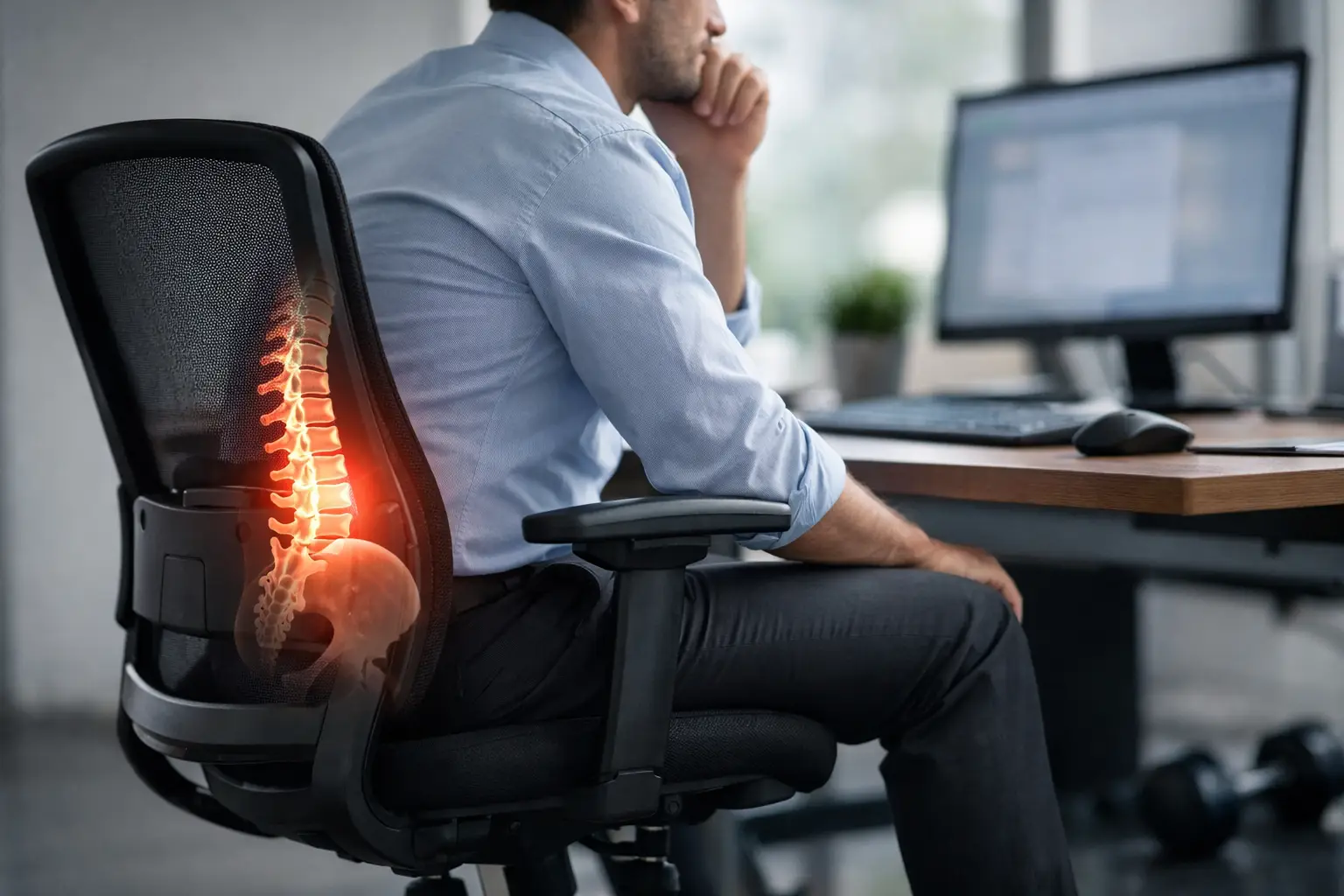
You can eat pretty well, try to manage stress, and still miss one daily habit that quietly works against your health: sitting for hours at a time. The Hidden Dangers of Sitting Too Much are easy to overlook because sitting feels harmless. It is normal, comfortable, and often tied to work, commuting, and winding down at night. But when too much sitting becomes your default, your body starts to pay for it.
This is not just about office workers or people who rarely exercise. Even if you squeeze in a morning walk or a gym session, long stretches of sitting can still affect circulation, posture, blood sugar, and energy. That is why researchers sometimes talk about sitting as a separate health issue, not just the opposite of exercise.
Why sitting too much is a bigger problem than most people think
Your body is built for regular movement. Muscles help move blood, joints stay healthier when they change position, and metabolism works better when you are not still for long periods. When you sit for hours, especially without breaks, several systems in the body slow down.
Blood flow becomes less efficient, the large muscles in your legs and core do less work, and calorie burning drops. Over time, this can contribute to weight gain, insulin resistance, and stiffness. The effects can be subtle at first. Maybe your back feels tight by afternoon, your legs feel heavy, or you struggle with that familiar afternoon slump. But the long-term pattern matters more than one uncomfortable day.
There is also a false sense of safety around sitting because it does not feel physically demanding. People usually notice when they overtrain or lift something heavy the wrong way. Sitting creates damage more quietly. That makes it easier to repeat for years.
The hidden dangers of sitting too much for your heart and metabolism
One of the biggest concerns is how prolonged sitting affects heart health. When you are inactive for long periods, circulation slows and the body becomes less efficient at processing fats and sugars. This can raise the risk of high blood pressure, unhealthy cholesterol levels, and cardiovascular disease over time.
Blood sugar control can also suffer. After meals, light movement helps your muscles use glucose. When you stay seated for long stretches, your body may not handle that glucose as well. For people with prediabetes, type 2 diabetes, or a family history of blood sugar problems, this is especially relevant.
Weight gain is another common issue, although it is not always dramatic or immediate. Sitting more usually means burning fewer calories throughout the day. It can also encourage snacking, screen time, and fatigue that makes exercise feel harder later. That combination can slowly shift your weight and body composition in the wrong direction.
This does not mean sitting automatically causes disease. Diet, sleep, stress, genetics, and activity levels all matter too. Still, extended daily sitting adds another layer of risk that many people do not factor in.
Your back, hips, and neck often feel the effects first
For many adults, musculoskeletal pain is the most obvious sign that too much sitting is catching up with them. Low back pain is common because sitting for long periods can put extra pressure on the spine, especially if posture is poor or your chair setup does not support you well.
Tight hip flexors are another frequent problem. When you sit, the front of the hips stays in a shortened position. Over time, that can contribute to stiffness, poor alignment, and discomfort when you stand up, walk, or exercise. Weak glutes and a less active core can make the problem worse.
Then there is the neck and upper body. If you spend hours looking down at a laptop or leaning toward a screen, the muscles in your neck, shoulders, and upper back can become strained. Tension headaches, shoulder tightness, and that rounded-forward posture many people develop are often linked to repetitive sitting habits.
Pain from sitting is not always caused by sitting alone. Stress, weak muscles, poor sleep, and old injuries can play a role. But long seated periods often make these issues more noticeable and harder to manage.
Sitting too long can affect mood and mental energy
Most people think of sitting as a physical issue, but it can also influence mental well-being. Long sedentary days often go hand in hand with lower energy, reduced focus, and a sluggish feeling that is hard to shake. Part of this may be physical, since movement supports circulation and alertness. Part of it may also be behavioral, especially when sitting is tied to nonstop screen time and few breaks.
Some research suggests that highly sedentary lifestyles may be associated with a greater risk of anxiety and depressed mood. That does not mean sitting causes depression in a simple one-to-one way. Life circumstances, health conditions, social isolation, and stress all shape mental health. Still, adding more movement to the day often helps people feel more awake, capable, and emotionally balanced.
Even a short walk, a few stretches, or standing while taking a phone call can reset your attention better than many people expect. Small changes can improve how the day feels, not just your long-term health numbers.
The risk most people miss: exercise does not erase all-day sitting
Here is the part that surprises many health-conscious readers. A workout is great for you, but it does not fully cancel out ten or twelve hours of sitting. If you exercise for 45 minutes and stay mostly seated the rest of the day, your body still experiences extended inactivity.
That does not mean your workout is pointless. Far from it. Regular exercise supports heart health, strength, mood, mobility, and weight management. But it helps to think of movement in two layers: dedicated exercise and everyday activity. You need both.
This is especially important for people with desk jobs, long commutes, limited mobility, or caregiving routines that keep them in one place. You may be doing some things right already while still needing more movement between those bigger efforts.
Who should be extra careful
Almost everyone benefits from sitting less, but some groups may need to pay closer attention. Adults with obesity, prediabetes, diabetes, high blood pressure, chronic back pain, circulation issues, or a family history of heart disease may be more vulnerable to the effects of a sedentary lifestyle.
Older adults also face added concerns because long periods of inactivity can contribute to stiffness, lower strength, poorer balance, and loss of independence over time. For people recovering from illness or injury, movement plans may need to be more gradual, but avoiding excessive sitting still matters.
If you have severe pain, numbness, swelling, shortness of breath, or a medical condition that limits movement, it is smart to get personalized guidance rather than forcing a routine that does not fit your body.
Simple ways to break the sitting cycle
You do not need a standing desk, a gym membership, or a perfect routine to reduce the risks. The goal is to interrupt long sitting periods and make movement a normal part of your day.
Start by standing up at least once every 30 to 60 minutes. Walk to get water, do a lap around your home, or stretch for one or two minutes. These brief resets may sound small, but they add up.
If you work at a desk, try building movement into tasks you already do. Stand during phone calls, walk while listening to voice notes, or place your printer or trash can farther away. If you watch TV at night, stand up during commercials or between episodes. After meals, a short walk can support digestion and blood sugar control.
Gentle mobility work can also help. Hip stretches, chest openers, shoulder rolls, and calf raises are simple ways to offset some of the stiffness that sitting creates. Many readers interested in natural wellness also find that pairing movement with supportive habits like hydration, anti-inflammatory foods, and stress management makes it easier to feel the difference.
The best strategy is the one you will repeat. A few minutes of movement done consistently is more useful than a complicated plan you abandon after three days.
When sitting less can make a real difference
You may notice benefits sooner than you think. Some people feel less back tightness and more energy within days of taking regular movement breaks. Others sleep better, feel less bloated, or become more comfortable during walks and workouts. Bigger health changes, like improved blood sugar or weight control, usually take longer and depend on other habits too.
What matters most is recognizing that sitting is not just a neutral part of modern life. It is a health factor worth paying attention to. If your days are built around chairs, screens, and car rides, small changes are not small at all. They are one of the simplest forms of prevention you can practice, starting today.

