
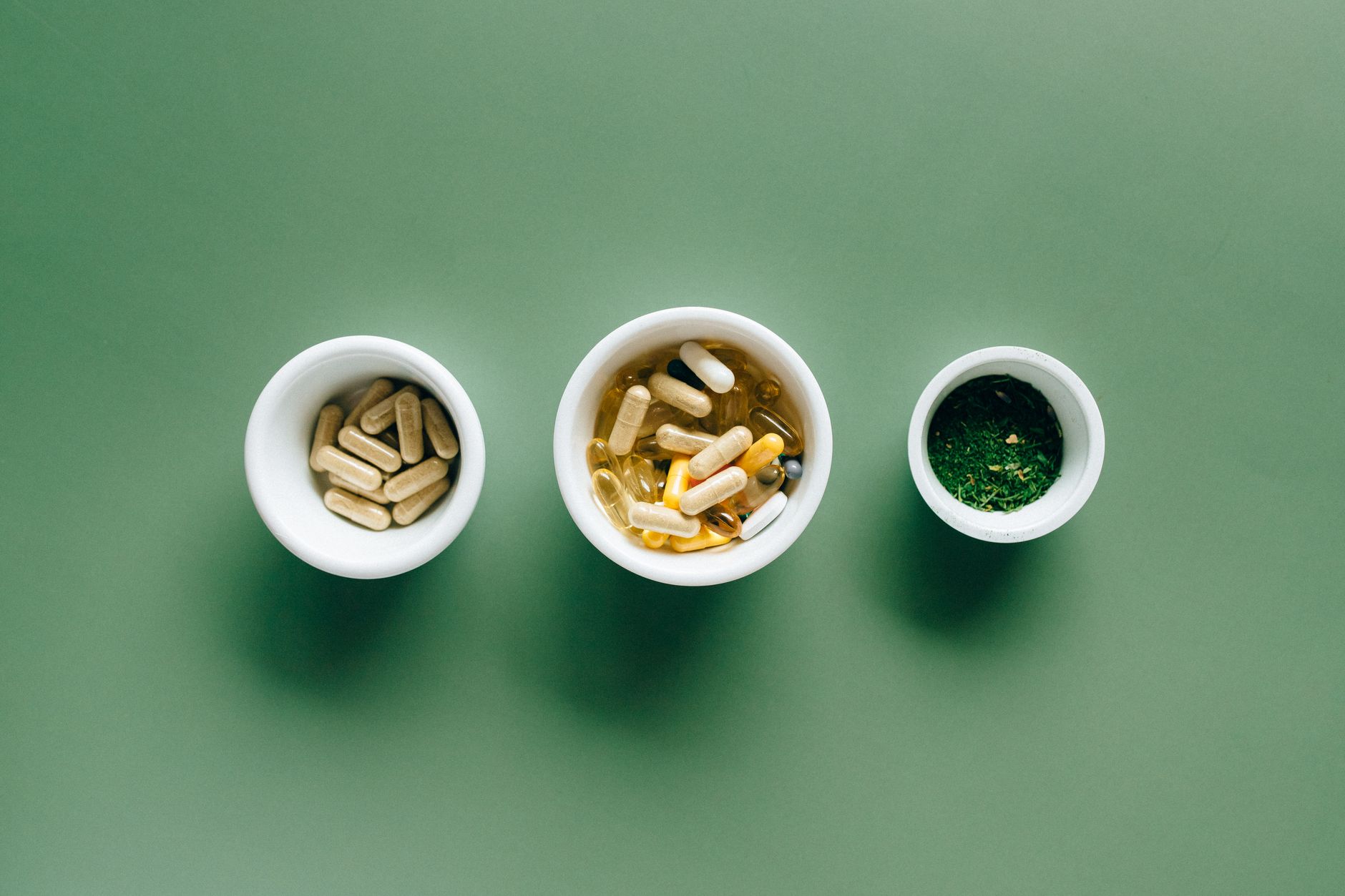

How to use medicinal herbs has become increasingly popular as people seek natural alternatives to support their health and wellbeing in 2026. Whether you’re interested in traditional herbal remedies or modern applications of ancient healing practices, understanding the proper techniques for using medicinal herbs is essential for safety and effectiveness. This comprehensive guide will walk you through everything you need to know about selecting, preparing, and administering medicinal herbs for optimal results.
Understanding Medicinal Herbs: Foundation and Safety
What Makes an Herb Medicinal?
Medicinal herbs contain bioactive compounds that interact with your body’s systems to promote health and healing. These plants have been used for thousands of years across various cultures, from Traditional Chinese Medicine to Ayurveda and Western herbalism. The distinction between a culinary herb and a medicinal herb often lies in concentration and application. While you might sprinkle basil on your pasta, medicinal basil preparations are more concentrated and targeted for specific health concerns.
Understanding the difference between herbs, herbal extracts, and standardized herbal supplements is crucial when learning how to use medicinal herbs effectively. Raw herbs contain varying concentrations of active compounds depending on growing conditions, harvest time, and storage methods. Extracts concentrate these compounds, while standardized supplements guarantee consistent levels of active ingredients. Each form has different applications and potency levels that affect how you use medicinal herbs.
Safety Considerations for Herbal Use
Before you begin using medicinal herbs, it’s essential to understand potential risks and contraindications. Some herbs can interact with medications, affect blood clotting, or cause allergic reactions. Pregnant women, nursing mothers, children, and people with chronic conditions should consult healthcare providers before using medicinal herbs. The idea that “natural” automatically means “safe” is a common misconception that has led to serious health complications.
Quality and sourcing matter significantly when determining how to use medicinal herbs safely. Purchase from reputable suppliers who conduct third-party testing for contaminants, heavy metals, and pesticides. Look for companies that provide information about where herbs are sourced, how they’re processed, and what testing has been completed. This diligence ensures you’re working with pure, potent materials when using medicinal herbs in your health regimen.
Preparation Methods: From Raw to Extract
Infusions and Decoctions
Two of the most accessible ways to learn how to use medicinal herbs are through infusions and decoctions. An infusion involves steeping delicate plant parts—leaves, flowers, or seeds—in hot water, similar to making tea. This method works well for herbs like chamomile, peppermint, and lemon balm. The hot water extracts water-soluble compounds, creating a flavorful and therapeutic beverage you can consume multiple times daily.
Decoctions are used for harder plant materials like roots, bark, and seeds that require longer extraction times. To prepare a decoction, you simmer these plant parts in water for 15-30 minutes, allowing the heat to break down cell walls and release medicinal compounds. This method is ideal for herbs like ginger root, licorice root, and medicinal mushrooms. Understanding when to use infusions versus decoctions is fundamental to knowing how to use medicinal herbs correctly.
Tinctures and Extracts
Tinctures represent a more concentrated form of herbal medicine, created by soaking herbs in alcohol or glycerin to extract potent compounds. This preservation method allows tinctures to have a long shelf life—often several years—making them convenient for regular use. When learning how to use medicinal herbs in this form, remember that tinctures are typically taken in small doses, often 1-3 milliliters (approximately 1 teaspoon) mixed with water, juice, or directly under the tongue.
Extracts take concentration further by removing the liquid after extraction, leaving behind a concentrated powder or paste. Some people prefer extracts for their portability and shelf stability, while others find tinctures more convenient for daily dosing. The choice between these forms depends on your lifestyle, preferences, and specific health goals. Both are effective when sourced from quality suppliers and used appropriately as part of your medicinal herb routine.
Dosing and Administration Guidelines
Determining Appropriate Dosages
One of the most critical aspects of learning how to use medicinal herbs involves understanding proper dosing. Unlike pharmaceuticals with standardized doses, herbal dosages vary based on the herb’s potency, the preparation form, your body weight, age, and health status. A typical starting approach is to begin with lower doses and gradually increase as your body adjusts, monitoring for any adverse effects. This conservative approach, known as “start low and go slow,” is recommended for most people new to herbal medicine.
Several resources can guide you in determining appropriate doses when using medicinal herbs. Reputable herbal references like the American Herbal Pharmacopoeia, Herbal Medicine books by respected herbalists, and packaging from quality manufacturers provide dosing information. However, working with a qualified herbalist or naturopathic doctor can provide personalized guidance, especially if you’re managing health conditions or taking medications. General dosing guidelines for how to use medicinal herbs typically range from tea form (1-3 cups daily) to tinctures (20-40 drops three times daily), but individual needs vary considerably.
Timing and Frequency Considerations
When learning how to use medicinal herbs effectively, timing can significantly impact results. Some herbs work best taken with meals to reduce stomach upset or enhance absorption, while others should be taken between meals. Energy-promoting herbs like ginseng work better in the morning, while calming herbs like passionflower or valerian are best taken in the evening. Creating a consistent routine helps your body establish patterns and may enhance the herbs’ effectiveness.
The duration of herbal use also matters. Some herbs can be used long-term for chronic conditions, while others are best used short-term during acute illness. Most herbalists recommend taking breaks—such as one week off per month—from certain herbs to prevent your body from becoming accustomed to them. Understanding these nuances in how to use medicinal herbs ensures you’re using them safely and maximizing their therapeutic potential.
Preparation Techniques and Best Practices
Creating Home Remedies
Learning how to use medicinal herbs includes mastering basic preparation techniques at home. Making herbal infusions is straightforward: place one teaspoon of dried herbs (or one tablespoon of fresh herbs) per eight ounces of water into a teapot, pour boiling water over the herbs, cover, and steep for 5-15 minutes depending on the herb. Strain and drink while warm or cool to room temperature. This simple method allows you to create fresh, potent medicines daily without relying on commercial products.
For those interested in more involved preparation, creating herbal syrups, oils, and salves offers additional ways to use medicinal herbs. Herbal syrups combine decocted herbs with honey or sugar, creating pleasant-tasting medicines that are particularly useful for children. Infused oils involve steeping herbs in carrier oils for therapeutic massage or skin applications. Each preparation method captures different compounds and serves different purposes, expanding your toolkit for how to use medicinal herbs effectively.
- Wash and dry fresh herbs thoroughly before preparation
- Use filtered or distilled water when making infusions and decoctions
- Label all homemade preparations with ingredients and date
- Store dried herbs in airtight containers away from light and heat
- Keep preparations in cool, dark places to maintain potency
- Prepare small batches regularly for maximum freshness
Storage and Preservation
Proper storage is critical when learning how to use medicinal herbs because it directly affects their potency and safety. Dried herbs should be stored in airtight glass containers, away from direct sunlight, heat, and moisture. Most dried medicinal herbs remain potent for one to three years, though more delicate flowers lose potency faster. Clearly label containers with the herb name and date of storage so you know when to replace them.
For liquid preparations like tinctures and infusions, amber or dark glass bottles are ideal as they protect contents from light degradation. Tinctures made with alcohol can last several years, while water-based infusions should typically be consumed within 24-48 hours or refrigerated for up to one week. Creating a simple inventory system helps you track what you have on hand and ensures you’re using fresh, effective preparations when implementing how to use medicinal herbs in your daily routine.
Integrating Herbs into Your Health Routine
Combining Herbs for Enhanced Benefits
Understanding how to use medicinal herbs includes learning about herbal combinations and synergy. Certain herbs work better together, their compounds complementing each other to create enhanced therapeutic effects. For example, pairing milk thistle liver health benefits with dandelion root creates a powerful liver-supporting formula. However, combining too many herbs can muddy their individual effects and make it difficult to identify which herb is helping or causing reactions.
Most herbalists recommend starting with single-herb preparations before advancing to combinations. This approach allows you to understand how your body responds to individual herbs, identifying any sensitivities before combining multiple plants. Once experienced, you can explore traditional herbal formulas or work with practitioners to create customized blends. Learning how to use medicinal herbs strategically—either alone or in thoughtful combinations—maximizes their effectiveness for your specific health goals.
- Create a personal herbal protocol tailored to your health goals
- Track which herbs and preparations work best for you
- Rotate herbs seasonally to support seasonal health challenges
- Maintain a journal documenting changes and improvements
- Adjust formulas based on how your body responds
- Include cooling-off periods to prevent habituation
Seasonal and Lifestyle Integration
How to use medicinal herbs effectively often involves aligning them with seasonal changes and your lifestyle. Spring calls for herbs that support renewal and detoxification, summer benefits from cooling and hydrating herbs, fall requires immune-supporting preparations, and winter demands warming, circulation-enhancing formulas. This seasonal rotation supports your body’s natural rhythms and prevents monotony in your herbal routine.
Your individual lifestyle also influences how to use medicinal herbs optimally. Athletes might focus on anti-inflammatory herbs and recovery support, while busy professionals benefit from adaptogenic herbs that help manage stress. Parents may incorporate child-safe herbs for common childhood ailments, while older adults might prioritize herbs supporting bone health, cognitive function, and cardiovascular wellness. Tailoring your herbal approach to your unique circumstances creates a sustainable, personalized wellness strategy.
Addressing Specific Health Conditions with Herbs
Digestive Health and Herbal Support
Learning how to use medicinal herbs for digestive health opens doors to managing common complaints like bloating, constipation, and indigestion. Ginger, peppermint, and fennel are classic digestive herbs that work by improving motility, reducing inflammation, and easing cramping. These can be combined with bitter herbs like dandelion greens or gentian to stimulate digestive secretions and enhance nutrient absorption. Understanding how to use medicinal herbs for digestive support provides natural alternatives to over-the-counter medications.
Beyond individual herbs, how to use medicinal herbs for digestive wellness involves addressing underlying causes. If bloating stems from poor digestion, bitters and digestive enzymes from herbs address the root issue. If constipation results from insufficient hydration or movement, herbs like psyllium seed combined with adequate water and exercise work synergistically. This holistic approach to using medicinal herbs produces longer-lasting results than symptom management alone.
Immune Support and Wellness
In 2026, understanding how to use medicinal herbs for immune support remains relevant, especially given ongoing health challenges worldwide. Herbs like echinacea, elderberry, and astragalus have demonstrated immune-enhancing properties when used appropriately. Echinacea works best for acute infections when taken at first signs of illness, while astragalus suits long-term immune maintenance for those with frequent infections. Learning how to use medicinal herbs preventatively versus therapeutically optimizes their immune benefits.
A comprehensive approach to immune support through herbs combines multiple strategies. Antioxidant-rich herbs like turmeric and ginger reduce inflammation, while mucilaginous herbs like slippery elm protect respiratory tract linings. Medicinal mushrooms including reishi, shiitake, and maitake contain beta-glucans that enhance immune function. Understanding how to use medicinal herbs as part of an integrated immune strategy—including sleep, nutrition, and stress management—creates robust protection against illness and supports faster recovery when illness occurs.
| Medicinal Herb | Primary Use | Preparation Form | Typical Dose | Duration |
|---|---|---|---|---|
| Chamomile | Sleep & relaxation | Infusion (tea) | 1 cup before bed | Long-term safe |
| Ginger Root | Digestive support | Decoction or fresh | 1-2 grams daily | Long-term safe |
| Echinacea | Immune boost | Tincture | 30-60 drops 3x daily | 2-3 weeks acute use |
| Turmeric | Anti-inflammatory | Capsule or powder | 500-1000mg daily | Long-term with breaks |
| Valerian Root | Sleep support | Tincture or capsule | 30-60 drops or 400-900mg | 8-12 weeks maximum |
| St. John’s Wort | Mood support | Standardized extract | 300-900mg daily | Consult practitioner |
Frequently Asked Questions About Using Medicinal Herbs
Can I use medicinal herbs while taking medications?
This is perhaps the most important question when learning how to use medicinal herbs safely. Some herbs interact with medications, either reducing drug effectiveness or causing adverse effects. For example, St. John’s Wort reduces effectiveness of many medications including birth control and blood thinners. Always inform healthcare providers about any medicinal herbs you’re considering using, and allow herbalists to review your medications before recommending herb combinations. Many interactions can be avoided by spacing doses appropriately or choosing alternative herbs.
How long before medicinal herbs produce noticeable results?
Timeline expectations vary significantly depending on the herb and your health condition. Acute conditions like digestive upset may show improvement within hours or days when using medicinal herbs. Chronic conditions typically require consistent use for several weeks to months before substantial changes appear. Adaptogenic herbs (those helping the body adapt to stress) require 4-12 weeks of consistent use to demonstrate their full potential. Understanding this timeline prevents premature abandonment of effective herbal protocols.
Are standardized herbal supplements better than whole plant preparations?
This debate continues among herbalists and researchers in 2026. Standardized supplements guarantee consistent concentrations of key compounds, making dosing predictable and researching effects easier. However, whole plant preparations contain numerous compounds working synergistically, potentially providing broader therapeutic benefits than isolated constituents. How to use medicinal herbs often depends on your preference: standardized supplements for consistent results or whole herbs for comprehensive plant medicine benefits. Both approaches have merit when sourced from reputable suppliers.
What’s the difference between medicinal herbs and supplements from health food stores?
The regulatory landscape differs between medicinal herbs used traditionally and supplements marketed as dietary supplements in many countries including the US. Dietary supplements undergo less rigorous testing than pharmaceuticals, yet reputable manufacturers still conduct quality and safety testing. Understanding labels and sourcing truly matters—some “herbal supplements” contain minimal active ingredients or include undisclosed fillers. Learning how to use medicinal herbs begins with choosing products from established herbalists, quality manufacturers, and companies transparent about their sourcing and testing practices.
Can children and pregnant women safely use medicinal herbs?
Some medicinal herbs are safe for children and pregnant women, while others are absolutely contraindicated. Chamomile, ginger (for nausea), and certain other mild herbs have long histories of safe use in these populations. However, many herbs should never be used during pregnancy or with children due to potential toxicity or effects on development. How to use medicinal herbs safely with vulnerable populations requires guidance from qualified practitioners familiar with pediatric or prenatal herbalism. When in doubt, consult with your healthcare provider or qualified herbalist before using any medicinal herbs with children or during pregnancy.
Practical Guide: Creating Your Personal Herbal Toolkit
Building a Starter Collection
Beginning to learn how to use medicinal herbs doesn’t require an extensive collection. Start with 5-10 versatile herbs addressing common health concerns in your household. A basic starter kit might include chamomile for relaxation, ginger for digestion, turmeric for inflammation, peppermint for energy, and echinacea for immune support. Adding herbs like garlic, thyme, and herbs for skin health creates a well-rounded foundation addressing multiple body systems.
As you gain experience with how to use medicinal herbs, expand your collection based on personal and family health patterns. Someone dealing with joint pain might add turmeric, ginger, and devil’s claw. Those prone to infections may invest in echinacea, elderberry, and garlic. Parents typically want child-safe herbs like fennel and chamomile readily available. This personalized approach to building your herbal collection ensures you have effective remedies for your specific needs readily available.
Resources and Continued Learning
Mastering how to use medicinal herbs is an ongoing learning journey. Invest in quality herbal references—books by respected herbalists provide reliable information about herb identification, properties, preparation, and dosing. Online courses, workshops, and herbal study programs offer structured learning from experienced practitioners. Many communities have local herbalists offering classes on how to use medicinal herbs, often with the advantage of discussing regional plants and traditions. Building relationships with experienced herbalists provides personalized guidance as you develop your practice.
The health, herbs, diseases, nutrition & diet comparison 2026 landscape offers abundant resources for those wanting to deepen their understanding. Reputable organizations like the American Herbalists Guild provide practitioner directories and educational standards. Scientific journals increasingly publish research on medicinal herbs, offering evidence-based validation of traditional uses. By combining traditional knowledge with contemporary research, you develop a balanced, sophisticated understanding of how to use medicinal herbs effectively and safely.
- Join local herb study groups or online herbal communities
- Subscribe to herb