
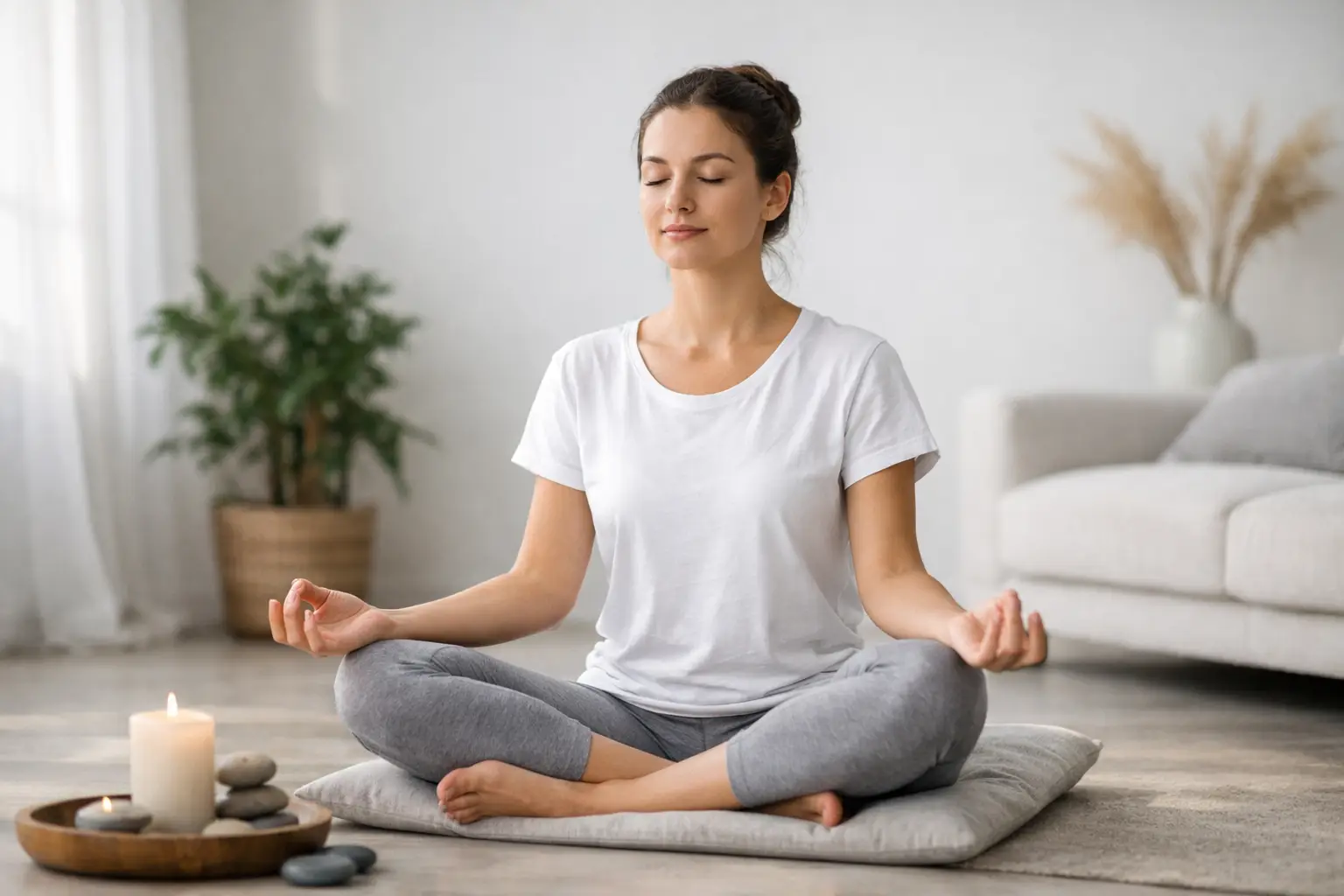
If your mind feels busy the second you sit still, you are not bad at meditating. That is usually the first thing beginners get wrong. Meditation for beginners is not about having a perfectly empty mind. It is about noticing what is happening in your body and thoughts, then gently bringing your attention back.
That small skill can make a real difference. Regular meditation may help lower stress, improve focus, support better sleep, and make it easier to respond calmly instead of reacting on autopilot. You do not need a special cushion, a silent house, or 30 free minutes to get started. For most people, the best first step is keeping it very simple.
What meditation actually is
Meditation is a practice of training attention. In the most beginner-friendly version, you choose one thing to focus on, such as your breath, and return to it whenever your mind wanders. That is the whole practice.
Many people assume meditation means stopping thoughts. It does not. Thoughts will show up. So will itchiness, restlessness, random memories, and your mental grocery list. The goal is not to block them. The goal is to notice them without getting pulled away for too long.
Meditation for beginners: how to start
Start with two to five minutes. That may sound too short to matter, but short sessions are often what help people stick with the habit. Sitting for 20 minutes on day one can feel impressive, but it also makes many beginners quit by day three.
Choose a time that is easy to repeat. Morning works well for some people because the day has not picked up speed yet. Others do better at lunch, after work, or before bed. The best time is the one you can actually keep.
Sit in a chair, on the edge of your bed, or on the floor. Your posture should feel upright but not stiff. Rest your hands comfortably. Then do one simple thing: breathe naturally and notice the feeling of air moving in and out.
When your attention drifts, and it will, label it lightly. You might think, planning, worrying, remembering, or just wandering. Then return to the breath. No drama. No self-criticism. That return is the rep that builds the skill.
A simple 5-minute meditation
Set a timer for five minutes. Close your eyes if that feels comfortable, or soften your gaze. Take one slow breath in and out. Then let your breathing settle into its normal rhythm.
Notice where you feel the breath most clearly. It might be at your nostrils, chest, or belly. Keep your attention there. If a thought pulls you away, notice it and come back. If a sound distracts you, notice it and come back. If you feel bored, restless, or impatient, notice that too and come back.
That is a successful session, even if your mind wandered 50 times.
Common mistakes that make meditation harder
The biggest mistake is expecting instant calm. Sometimes meditation feels peaceful. Sometimes it feels annoying. Both are normal. In fact, sitting quietly can make you notice stress that was already there all along.
Another mistake is being too rigid. If sitting still with closed eyes feels uncomfortable, try meditating in a chair, keeping your eyes open, or practicing while walking slowly. Meditation does not have to look a certain way to count.
People also give up because they think they need the perfect setting. You do not. A quiet room helps, but it is not required. A few minutes in your parked car or at your kitchen table still counts.
What type of meditation is best for beginners?
Breath meditation is usually the easiest place to begin because it is simple and available anytime. Body scan meditation is another good option, especially if stress shows up physically as tension in your neck, shoulders, or jaw. In a body scan, you move your attention slowly through different parts of your body and notice sensations without trying to change them.
Guided meditation can also help if silence feels too hard at first. Some people do better with a voice walking them through the steps. Others find it distracting. This is one of those areas where it depends on your personality.
If you feel drawn to natural wellness habits, pairing meditation with a calming routine can make it easier to remember. A cup of caffeine-free herbal tea, a few minutes of stretching, or dimming the lights at night can signal to your body that it is time to slow down.
How to make it a habit
Keep the bar low enough that you can clear it on busy days. Two minutes daily is better than 20 minutes once a week. Attach meditation to something you already do, like brushing your teeth, making coffee, or getting into bed.
It also helps to track consistency instead of performance. Do not ask, Was it perfect? Ask, Did I show up today? That shift matters because meditation works more like exercise than a quick fix. The benefit comes from practice, not from one great session.
When meditation may not feel helpful
Meditation is a useful wellness tool, but it is not a cure-all. For some people, especially those dealing with trauma, panic, or severe anxiety, sitting quietly with thoughts and body sensations can feel overwhelming. If that happens, shorter sessions, guided support, or movement-based practices may feel safer. Professional mental health support may also be the better next step.
Meditation for beginners should feel approachable, not intimidating. Start small, expect your mind to wander, and keep coming back anyway. A few quiet minutes a day can become one of the simplest ways to support your mental and physical well-being.

