Alzheimer’s disease is one of the most common and devastating neurological conditions worldwide. It affects memory, thinking, and behavior, gradually interfering with daily life and independence. While age and genetics play a role, growing evidence suggests that diet and lifestyle choices can significantly influence your risk. One of the most powerful and accessible strategies is surprisingly simple: eating more fruits and vegetables.
In this article, we explore how fruits and vegetables may help protect brain health, the science behind their benefits, and practical ways to include more of them in your daily meals.
Understanding Alzheimer’s Disease
Alzheimer’s disease is a progressive form of dementia characterized by the buildup of amyloid plaques and tau tangles in the brain. These changes damage brain cells and disrupt communication between neurons. Over time, this leads to memory loss, confusion, and difficulty with everyday tasks.
Although there is currently no cure, research shows that preventive lifestyle choices, including nutrition, physical activity, and mental stimulation, can help reduce risk or delay onset.
How Fruits and Vegetables Support Brain Health
1. Rich in Antioxidants
Fruits and vegetables are packed with antioxidants such as vitamin C, vitamin E, flavonoids, and carotenoids. These compounds help combat oxidative stress, a process that damages brain cells and is strongly linked to Alzheimer’s disease.
Berries, leafy greens, carrots, and citrus fruits are especially high in antioxidants that help protect neurons from age-related decline.
2. Reduce Inflammation in the Brain
Chronic inflammation is another major contributor to neurodegenerative diseases. Many fruits and vegetables contain anti-inflammatory compounds that help calm inflammation in the brain and throughout the body.
Examples include:
- Leafy greens like spinach and kale
- Tomatoes rich in lycopene
- Cruciferous vegetables such as broccoli and cauliflower
Lower inflammation means healthier brain tissue and better cognitive function over time.
3. Improve Blood Flow to the Brain
Healthy brain function depends on proper blood circulation. Diets high in fruits and vegetables support cardiovascular health, which directly impacts brain health. Improved blood flow ensures that the brain receives enough oxygen and nutrients, reducing the risk of cognitive decline.
This is one reason why diets like the Mediterranean diet and MIND diet are consistently linked to lower Alzheimer’s risk. You can learn more about these dietary patterns from the National Institute on Aging:
https://www.nia.nih.gov/health/what-do-we-know-about-diet-and-prevention-alzheimers-disease
4. Support Gut Health and the Brain-Gut Connection
Emerging research shows a strong link between gut health and brain health. Fruits and vegetables are high in dietary fiber, which feeds beneficial gut bacteria. These bacteria produce compounds that reduce inflammation and may help protect against neurodegeneration.
A healthy gut microbiome can positively influence mood, memory, and overall cognitive performance.
What the Research Says
Several long-term studies have found that people who consume more fruits and vegetables experience:
- Slower cognitive decline
- Better memory and executive function
- Reduced risk of Alzheimer’s and other forms of dementia
According to the Alzheimer’s Association, lifestyle factors such as diet may reduce dementia risk by up to 40%. More details can be found here:
https://www.alz.org/alzheimers-dementia/research_progress/prevention
Best Fruits and Vegetables for Brain Health
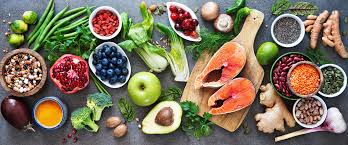
To maximize brain-protective benefits, focus on variety and color. Some of the best options include:
Fruits
- Blueberries, strawberries, and blackberries
- Oranges and other citrus fruits
- Apples
- Avocados
Vegetables
- Spinach, kale, and Swiss chard
- Broccoli and Brussels sprouts
- Bell peppers
- Beets
The general rule is simple: the more colorful your plate, the better for your brain.
Practical Tips to Eat More Fruits and Vegetables
- Add berries or sliced fruit to breakfast cereal or yogurt
- Include at least one vegetable in every meal
- Snack on carrots, cucumbers, or apples instead of processed foods
- Blend leafy greens into smoothies
- Aim for at least 5 servings per day, and more if possible
Small, consistent changes can make a big difference over time.
Final Thoughts
While no single food can prevent Alzheimer’s disease, the evidence is clear that a diet rich in fruits and vegetables supports long-term brain health. By reducing inflammation, fighting oxidative stress, and improving blood flow, these natural foods may help lower your risk and keep your mind sharper as you age.
Healthy eating is not just about living longer, it is about living better with a