
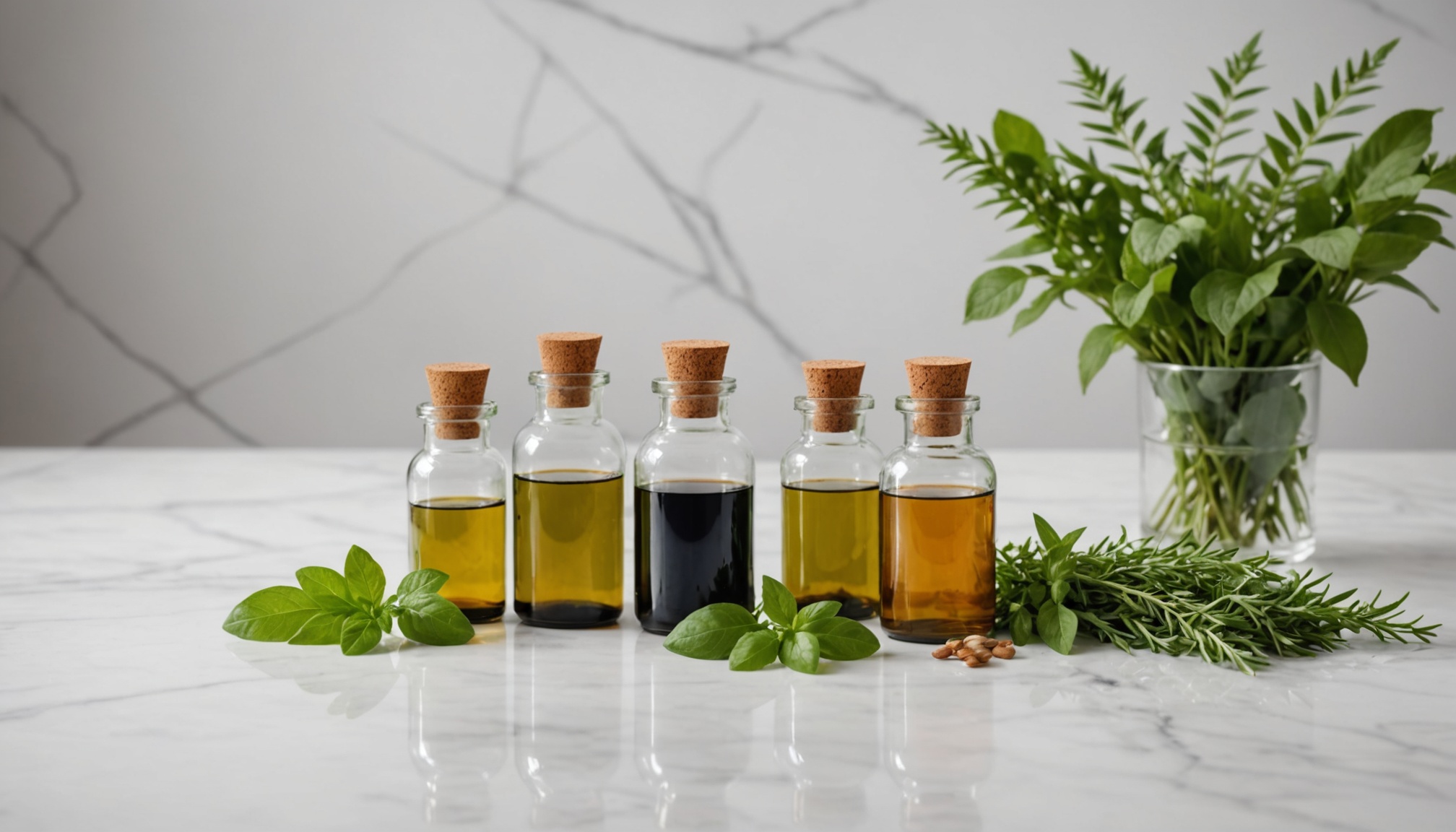

herbs for inflammation reduction have become increasingly popular as people seek natural alternatives to manage pain and support their health in 2026. Inflammation is a natural response by your body to injury or illness, but chronic inflammation can lead to serious health complications. This comprehensive guide explores the most potent herbal remedies that have been scientifically studied and traditionally used to reduce inflammation throughout the body.
Understanding Inflammation and Herbal Solutions
What Is Chronic Inflammation and Why It Matters
Chronic inflammation occurs when your body’s inflammatory response persists over extended periods, even without an active threat. This condition is linked to numerous health issues including heart disease, arthritis, diabetes, and autoimmune disorders. In 2026, healthcare practitioners increasingly recognize that managing inflammation through natural means can significantly improve quality of life. Unlike acute inflammation, which is the body’s protective mechanism, chronic inflammation silently damages tissues and organs over time.
The modern lifestyle contributes significantly to inflammation. Poor diet choices, sedentary behavior, chronic stress, and environmental toxins all trigger inflammatory responses. Many people turn to herbs for inflammation reduction because these natural remedies address the root causes while supporting the body’s natural healing mechanisms. Understanding the relationship between diet, lifestyle, and inflammation is crucial for long-term health management.
How Herbs Work Against Inflammatory Response
Medicinal herbs contain bioactive compounds like polyphenols, flavonoids, and alkaloids that interfere with inflammatory pathways in the body. These compounds work by inhibiting pro-inflammatory cytokines and reducing the production of inflammatory molecules. Herbs for inflammation reduction function through multiple mechanisms, making them effective natural solutions when used appropriately.
The science behind herbs for inflammation reduction demonstrates that these plants have evolved protective compounds to defend against stress and pathogens. When we consume them, our bodies benefit from these same protective mechanisms. Different herbs work through different pathways, which is why combining several herbs often produces better results than relying on a single remedy.
Turmeric and Curcumin: The Golden Anti-Inflammatory
Curcumin’s Powerful Anti-Inflammatory Properties
Turmeric, scientifically known as Curcuma longa, has earned its reputation as one of the most powerful herbs for inflammation reduction. The active compound curcumin is responsible for turmeric’s distinctive golden color and remarkable therapeutic properties. Research published in 2026 continues to validate what traditional medicine has known for thousands of years: curcumin effectively reduces multiple inflammatory markers in the body.
Curcumin works by blocking NF-kB, a molecule that travels to cell nuclei and switches on genes related to inflammation. This mechanism of action makes turmeric exceptionally valuable for managing conditions like rheumatoid arthritis, inflammatory bowel disease, and osteoarthritis. Studies show that curcumin can be as effective as some pharmaceutical anti-inflammatory drugs without the associated side effects.
Optimizing Turmeric for Maximum Absorption
The challenge with turmeric is bioavailability. Curcumin is poorly absorbed when consumed alone. However, pairing turmeric with black pepper, which contains piperine, increases curcumin absorption by up to 2000%. This simple addition makes a significant difference in the effectiveness of herbs for inflammation reduction. In 2026, health-conscious individuals understand the importance of proper preparation and pairing of herbal remedies.
Daily consumption recommendations typically range from 500 to 2000 mg of curcumin from turmeric. Using turmeric in cooking daily is an excellent way to maintain anti-inflammatory benefits. Golden milk, turmeric paste, and curry-based dishes are popular methods to incorporate this powerful herb into your diet while enjoying its inflammation-reducing benefits.
Ginger: Warming Relief for Joint and Digestive Inflammation
Gingerol and Shogaol: Active Anti-Inflammatory Compounds
Ginger (Zingiber officinale) contains powerful compounds called gingerols and shogaols that make it one of the most effective herbs for inflammation reduction, particularly for joint pain and digestive issues. When ginger is dried, gingerols convert to shogaols, which are even more potent. Both compounds inhibit inflammatory mediators and provide relief comparable to NSAIDs in some studies.
The anti-inflammatory action of ginger extends beyond pain management. Research in 2026 demonstrates that ginger helps reduce inflammation in the digestive tract, making it valuable for conditions like ulcerative colitis and Crohn’s disease. Athletes and active individuals particularly appreciate ginger for reducing exercise-induced muscle inflammation and accelerating recovery.
Incorporating Fresh and Powdered Ginger
Fresh ginger offers slightly different benefits than powdered versions due to the concentration of different compounds. Fresh ginger is excellent for acute inflammation and digestive complaints, while powdered ginger provides more consistent dosing. Most herbalists recommend consuming 1-2 grams of ginger daily for inflammation management, either fresh, powdered, or as a tea.
Ginger tea, ginger-turmeric combinations, and ginger-based smoothies make it easy to maintain consistent consumption. The warming nature of ginger makes it particularly suitable for people with cold constitutions or poor circulation. Combined with other herbs for inflammation reduction, ginger creates a synergistic effect that amplifies therapeutic benefits.
Powerful Anti-Inflammatory Herbs Worth Exploring
Boswellia and Frankincense: Ancient Inflammation Fighters
Boswellia sacra, commonly known as frankincense, has been used for thousands of years in Ayurvedic and traditional Chinese medicine. This resin contains boswellic acids, which are potent inhibitors of inflammatory pathways. In 2026, clinical trials continue to support boswellia’s effectiveness for osteoarthritis, rheumatoid arthritis, and inflammatory bowel conditions.
Unlike many herbs for inflammation reduction that work broadly, boswellia specifically inhibits leukotrienes, inflammatory molecules that perpetuate the inflammatory cascade. Studies show that people taking boswellia supplements experience reduced joint swelling, improved mobility, and decreased pain within 2-4 weeks. The herb is particularly effective when combined with curcumin from turmeric, creating a complementary pair of anti-inflammatory agents.
Rosemary, Sage, and Oregano: Kitchen Herbs with Clinical Power
Common culinary herbs are often underestimated in their anti-inflammatory capabilities. Rosemary contains rosmarinic acid, a powerful polyphenol that reduces inflammation systemically. Sage and oregano similarly contain compounds that inhibit inflammatory pathways. Using these herbs for inflammation reduction daily in cooking makes them convenient and practical herbal medicine.
The beauty of these culinary herbs is their dual purpose: they enhance flavor while providing medicinal benefits. Making herbal infusions with rosemary, sage, and oregano creates potent anti-inflammatory beverages. In 2026, many people understand that kitchen herbs represent accessible, affordable, and delicious medicine that can be integrated seamlessly into daily life.
Additional Powerful Anti-Inflammatory Herbs
Cayenne Pepper and Capsaicin Benefits
Cayenne pepper contains capsaicin, which provides pain relief and anti-inflammatory benefits through multiple mechanisms. Capsaicin depletes substance P, a neurotransmitter involved in pain signaling, making it excellent for arthritis pain. Additionally, capsaicin increases blood circulation, bringing healing nutrients to inflamed areas. Herbs for inflammation reduction that include capsaicin are particularly valuable for localized pain conditions.
Topical capsaicin creams provide targeted relief for joint pain, while consuming cayenne internally supports systemic inflammation reduction. The warming sensation from capsaicin indicates increased circulation and metabolic activity. Starting with small amounts and gradually increasing tolerance prevents digestive upset while allowing the anti-inflammatory benefits to accumulate over time.
Green Tea and White Tea Polyphenols
While technically not culinary herbs, green and white tea contain polyphenolic compounds, particularly EGCG (epigallocatechin gallate), that provide exceptional anti-inflammatory benefits. These beverages are among the most researched herbs for inflammation reduction, with consistent evidence supporting their ability to reduce multiple inflammatory markers. Drinking 3-5 cups of quality green or white tea daily contributes significantly to inflammation management.
The beauty of tea as medicine is its simplicity and enjoyability. Unlike supplements that some people find difficult to consume regularly, tea is a pleasant ritual that supports health. In 2026, tea culture has expanded to include understanding tea’s specific health benefits, with many people selecting tea varieties based on their inflammatory conditions and health goals.
Herbal Synergies: Combining Herbs for Maximum Effect
Strategic Herb Combinations for Inflammation
While individual herbs for inflammation reduction are powerful, combining them strategically creates synergistic effects where the total benefit exceeds the sum of individual components. Turmeric with ginger and black pepper is a classic combination that addresses multiple inflammatory pathways. Adding boswellia to this mixture creates an exceptionally potent anti-inflammatory formula.
Different herb combinations target different body systems. For joint inflammation, combining turmeric, boswellia, ginger, and cayenne provides comprehensive relief. For digestive inflammation, combining ginger, slippery elm, and licorice root offers soothing and anti-inflammatory benefits. For skin inflammation, combining herbs like calendula with anti-inflammatory internal herbs addresses the condition from multiple angles. Understanding these synergies allows you to customize herbal approaches to your specific needs.
Creating Your Personal Anti-Inflammatory Protocol
Building an effective inflammation reduction protocol in 2026 requires understanding your specific inflammatory conditions and choosing herbs for inflammation reduction that address your particular needs. Consulting with a qualified herbalist or naturopathic doctor ensures you select appropriate herbs, doses, and combinations. Individual factors like current medications, allergies, and health conditions influence which herbs work best for you.
The most effective protocol combines dietary changes with strategic herbal supplementation. Reducing inflammatory foods like processed sugars, refined grains, and excessive omega-6 oils while increasing anti-inflammatory foods creates the foundation. Adding herbs for inflammation reduction through tea, cooking, and supplements builds upon this foundation. Consistency matters more than intensity—daily use of gentle herbs often produces better long-term results than sporadic use of strong remedies.
| Herb | Key Active Compound | Best Use | Daily Dose | Form |
|---|---|---|---|---|
| Turmeric | Curcumin | Systemic inflammation, arthritis | 500-2000mg curcumin | Powder, extract, supplement |
| Ginger | Gingerol, shogaol | Joint pain, digestive inflammation | 1-2 grams | Fresh, powdered, tea |
| Boswellia | Boswellic acids | Osteoarthritis, IBD | 300-500mg | Standardized extract, supplement |
| Rosemary | Rosmarinic acid | General inflammation, antioxidant | 3-5 cups tea or culinary use | Fresh, dried, tea, infusion |
| Cayenne | Capsaicin | Localized pain, circulation | 1/4 teaspoon or topical | Powder, cream, supplement |
Safety Considerations and Professional Guidance
Potential Interactions and Contraindications
While herbs for inflammation reduction are generally safe, some interactions with medications are possible. Turmeric can enhance blood-thinning effects of medications like warfarin, requiring dosage adjustments under medical supervision. Ginger similarly affects blood clotting and may interact with anticoagulants. Before starting any herbal protocol, especially if you take prescription medications, consult with your healthcare provider or a qualified herbalist.
Certain conditions require caution with specific herbs. Pregnant and nursing women should avoid strong herbal interventions without professional guidance. People with bleeding disorders should be cautious with herbs like ginger and boswellia. Those with gallbladder disease should limit turmeric. These precautions don’t eliminate herbs for inflammation reduction as options but require informed, careful use under appropriate professional supervision.
Quality, Sourcing, and Dosing Guidelines
The quality of herbal products varies dramatically. In 2026, choosing herbs from reputable suppliers who provide third-party testing and quality assurance matters significantly. Look for standardized extracts that provide consistent active compound concentrations. For fresh herbs, organic sources reduce pesticide exposure. Understanding proper dosing ensures safety and efficacy—more isn’t always better with herbs.
Start with lower doses of any new herb and gradually increase to assess tolerance. Some people experience digestive sensitivity to certain herbs for inflammation reduction. Keeping a health journal documenting which herbs you use, dosages, timing, and effects helps identify what works best for your individual body. This personalized approach, combined with professional guidance, creates the safest and most effective inflammation reduction strategy.
Scientific Research on Herbs for Inflammation Reduction in 2026
Clinical Evidence Supporting Anti-Inflammatory Herbs
The scientific community in 2026 continues validating traditional herbal knowledge through rigorous clinical trials. Meta-analyses consistently show that curcumin reduces markers of inflammation comparable to NSAIDs for conditions like rheumatoid arthritis. Ginger studies demonstrate reduction in joint pain and swelling. Boswellia research shows improved outcomes in osteoarthritis. This growing body of evidence supports what traditional practitioners have known for centuries about herbs for inflammation reduction.
However, research quality varies. Some studies use suboptimal doses or poor-quality herbal extracts. Other research involves small sample sizes. The most reliable evidence comes from studies using standardized extracts at therapeutic doses in adequately sized populations. In 2026, consumers can access comprehensive databases like PubMed to review research themselves, making informed decisions about which herbs for inflammation reduction have the strongest scientific support.
Future Directions and Emerging Herbal Anti-Inflammatory Research
Ongoing research in 2026 explores novel herbal compounds and optimal combinations for inflammation reduction. Scientists are investigating how individual genetic variations affect herbal effectiveness, moving toward personalized herbal medicine. Research also explores mechanisms of action for lesser-known herbs for inflammation reduction, potentially uncovering new therapeutic applications.
The integration of traditional knowledge with modern scientific methodology continues expanding our understanding of herbal medicine. As more research emerges, healthcare providers increasingly incorporate herbs for inflammation reduction into conventional treatment protocols. This convergence of traditional and modern approaches represents an exciting evolution in how we manage chronic inflammation and support long-term health.
Lifestyle Integration and Supporting Anti-Inflammatory Strategies
Diet and Nutrition Complementing Herbal Therapy
Herbs for inflammation reduction work most effectively when combined with an anti-inflammatory diet. Emphasizing omega-3 fatty acids from sources like wild fish, flaxseed, and chia seeds reduces inflammatory markers. Consuming abundant colorful vegetables, berries, and antioxidant-rich foods amplifies herbal benefits. Reducing inflammatory foods like refined sugars, processed vegetable oils, and excessive alcohol creates the ideal environment for herbal remedies to work effectively.
The Mediterranean diet, rich in olive oil, vegetables, fish, and legumes, naturally complements herbs for inflammation reduction. Many Mediterranean herbs like oregano, rosemary, and basil are themselves powerful anti-inflammatory agents. Understanding food synergies with herbal medicine elevates your anti-inflammatory strategy from supplementation alone to comprehensive lifestyle medicine.
Movement, Stress Management, and Sleep Quality
Physical activity reduces inflammatory markers as effectively as some medications. Combining regular movement with herbs for inflammation reduction creates a synergistic effect. Similarly, chronic stress perpetuates inflammation while stress management practices reduce inflammatory mediators. Meditation, yoga, and breathing practices complement herbal therapy by addressing inflammation at the nervous system level.
Sleep quality profoundly affects inflammation levels. Poor sleep increases pro-inflammatory cytokines, while quality sleep reduces them. Using calming herbs for inflammation reduction, like chamomile or passionflower, supports better sleep, creating a positive feedback loop. In 2026, holistic approaches recognizing that inflammation results from multiple lifestyle factors prove more effective than isolated interventions targeting single mechanisms.
Frequently Asked Questions About Herbs for Inflammation Reduction
How Long Does It Take for Herbal Anti-Inflammatory Remedies to Work?
The timeline for herbs for inflammation reduction varies based on the herb, dosage, consistency of use, and individual factors. Acute effects like pain relief may occur within minutes to hours for some herbs, while systemic inflammation reduction typically requires 2-4 weeks of consistent daily use. Boswellia and ginger show noticeable effects within 2-4 weeks, while curcumin benefits accumulate over 4-12 weeks. For chronic conditions, continuing herbal therapy for at least 3 months allows comprehensive assessment of benefits.
Can I Replace Prescription Medications with Herbs for Inflammation Reduction?
This question requires careful individual assessment with your healthcare provider. While herbs for inflammation reduction are powerful, they are not appropriate replacements for certain medications, particularly those managing serious conditions. However, many people successfully reduce medication doses under medical supervision while incorporating herbs for inflammation reduction. Some conditions respond better to herbal approaches alone, while others benefit from integrated approaches combining conventional and herbal medicine. Never abruptly stop medications without professional guidance, but discuss with your provider whether herbal integration is appropriate for your situation.
Which Herbs for Inflammation Reduction Work Best for Specific Conditions?
Different herbal combinations address different inflammatory conditions most effectively. For rheumatoid arthritis, combining turmeric, boswellia, and ginger provides comprehensive relief. For osteoarthritis, the same combination with added cayenne offers additional pain management. For inflammatory bowel disease, ginger, boswellia, and slippery elm work synergistically. For skin inflammation, internal herbs combined with topical preparations using calendula proves effective. Consulting with practitioners knowledgeable in both herbalism and your specific condition ensures optimal herb selection.
Are There Any Herbs for Inflammation Reduction I Should Avoid?
Most common herbs for inflammation reduction are safe for most people. However, pregnant women should avoid strong herbal interventions without professional guidance. People with bleeding disorders should be cautious with ginger and boswellia. Those with gallbladder disease should limit turmeric. If you take blood-thinning medications, turmeric and ginger require medical oversight. Additionally, some people experience allergic reactions to specific herbs. Starting with small doses and monitoring for adverse reactions prevents problems while allowing you to identify which herbs for inflammation reduction work best for your body.
Should I Use Supplements or Culinary Herbs for Inflammation Reduction?
Both approaches have merit. Culinary herbs provide consistent daily consumption in delicious forms, supporting long-term compliance. Supplements provide concentrated doses of active compounds, achieving therapeutic effects more quickly. The ideal approach often combines both: using culinary herbs daily in cooking while taking supplements for specific conditions requiring higher doses. This integrated approach provides the convenience of supplements