
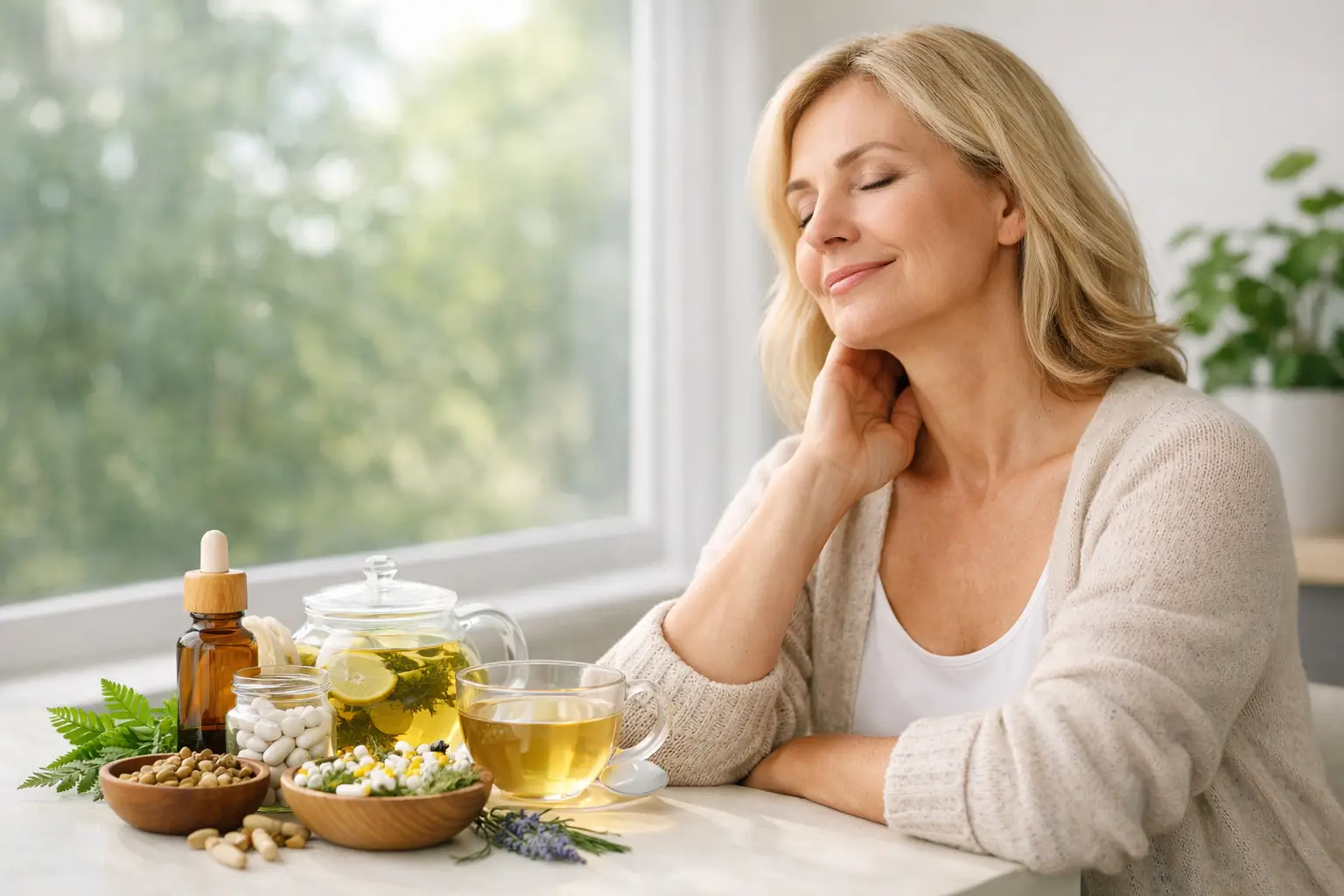
One day it is the 3 a.m. wake-up. The next, it is a hot flash in the grocery store line, a shorter temper than usual, or periods that suddenly stop making sense. Natural support for menopause symptoms matters because this stage of life can affect sleep, mood, energy, focus, and confidence all at once. The good news is that many women can feel better with a mix of lifestyle changes, smart nutrition, and carefully chosen herbal support.
Menopause is not a disease. It is a normal life transition, usually happening between ages 45 and 55, though timing varies. Symptoms often start during perimenopause, the years leading up to menopause, when estrogen and progesterone begin to fluctuate. That hormonal shift can create a wide range of symptoms, and they do not look the same for everyone. Some women mainly deal with hot flashes and night sweats. Others notice mood changes, vaginal dryness, joint aches, brain fog, or trouble sleeping.
What natural support for menopause symptoms can actually help?
The most helpful natural approaches are usually the least flashy. Better sleep habits, regular movement, steady blood sugar, stress support, and symptom tracking often make more difference than a cabinet full of supplements. Herbs may help some women, but they work best when the basics are already in place.
It also helps to be realistic. Natural does not mean instant, and it does not mean risk-free. A tea, supplement, or food plan that helps one person may do very little for another. Menopause symptoms are shaped by hormones, stress, medical history, body weight, diet, medication use, and even room temperature.
Start with the symptoms that bother you most
If hot flashes are the main problem, your plan may look very different from someone dealing with insomnia or low mood. That sounds obvious, but many people try a little bit of everything and end up unsure what is helping. Pick the symptom that disrupts your life the most and start there.
A simple symptom journal can help. Write down when symptoms happen, what you ate, how you slept, whether you had alcohol or caffeine, your stress level, and where you are in your cycle if you are still having periods. Patterns often show up quickly.
Food habits that support hormone changes
There is no single menopause diet, but some eating patterns tend to work better than others. Blood sugar swings can make hot flashes, irritability, and energy crashes feel worse. Meals that include protein, fiber, and healthy fats are usually more stabilizing than grabbing refined carbs throughout the day.
Many women do better when they center meals around foods like eggs, fish, beans, Greek yogurt, tofu, nuts, seeds, vegetables, berries, and whole grains. Calcium and vitamin D also matter more during and after menopause because bone loss speeds up when estrogen drops. Dairy foods, fortified plant milks, canned salmon with bones, leafy greens, and sensible sunlight exposure can all play a role.
Soy foods are worth mentioning because they contain isoflavones, plant compounds that may have mild estrogen-like effects. For some women, foods like edamame, tofu, tempeh, and soy milk can modestly help with hot flashes. Food sources are usually a more balanced place to start than high-dose supplements, especially if you are unsure how your body responds.
Alcohol, spicy foods, and large amounts of caffeine are common triggers for hot flashes and sleep trouble, but not for everyone. This is where your symptom journal becomes useful. You do not need to cut out everything at once. Test one likely trigger at a time and see what changes.
Sleep support during menopause
Poor sleep can make every other symptom feel worse. Night sweats wake you up, then the next day brings more stress, more cravings, and less patience. That cycle is common.
Natural support for menopause symptoms often starts in the bedroom. Keep the room cool, wear breathable sleep clothes, and try light layers so you can adjust quickly. A consistent bedtime helps more than most people expect, especially if your sleep schedule has become unpredictable.
Caffeine late in the day, alcohol in the evening, and heavy meals close to bedtime can all interfere with sleep quality. If your mind races at night, a short wind-down routine can help signal that the day is over. That might mean reading, stretching, breathing exercises, or a warm shower. Screens are a common problem because they keep the brain alert longer than you realize.
If sleep problems are severe, frequent, or tied to loud snoring, gasping, or major daytime fatigue, it is time to get evaluated. Menopause can overlap with sleep apnea and other issues that need more than home remedies.
Exercise helps more than weight
When people hear exercise, they often think about weight control first. During menopause, movement helps with much more than that. It can improve mood, sleep, insulin sensitivity, bone strength, and overall stress tolerance. Some women also find that regular activity reduces the intensity of hot flashes over time.
The best plan is the one you will actually keep doing. Walking, cycling, swimming, and dancing can support heart health and mood. Strength training matters because muscle mass naturally declines with age, and stronger muscles also support better metabolism and bone health. Even two to three sessions a week can make a difference.
If your energy is low, start smaller than you think you should. Ten to fifteen minutes counts. The goal is consistency, not punishment.
Herbs and supplements: promising, but not one-size-fits-all
This is the part many readers want first, and it can be helpful, but it is also where caution matters most. Some herbal remedies are commonly used for menopause support, including black cohosh, red clover, evening primrose oil, maca, and sage. Research is mixed. Some women report real relief, especially for hot flashes or mood shifts, while others notice little change.
Black cohosh is one of the best-known herbs for hot flashes, but results are inconsistent, and it is not right for everyone. Red clover contains plant compounds similar to isoflavones. Sage is often used for sweating and hot flashes. Magnesium may support sleep or muscle tension in some women, while omega-3 fats may help with mood and general inflammation.
The trade-off is safety and fit. Herbs can interact with medications, and some may not be appropriate if you have a history of breast cancer, liver problems, blood-clotting issues, or hormone-sensitive conditions. Supplements are also not regulated the same way prescription drugs are, so quality can vary.
That is why a smart approach is better than a trendy one. Choose one product at a time, use a reputable brand, and give it a fair trial while tracking symptoms. If you take prescriptions or have any major health condition, check with a clinician or pharmacist before starting anything new.
Stress, mood, and brain fog need real attention
Menopause is often talked about like it is only about heat and hormones. But for many women, the harder part is emotional. Mood swings, anxiety, irritability, and that strange foggy feeling can be just as disruptive as physical symptoms.
Stress management is not a luxury here. High stress can turn up the volume on hot flashes, sleep problems, and cravings. You do not need a perfect wellness routine. What helps is having a few reliable tools you can use regularly, like walking outside, deep breathing, journaling, yoga, prayer, or a short mindfulness practice.
Brain fog also deserves some compassion. Forgetfulness and reduced focus can happen during this transition, often worsened by poor sleep and stress. Simple supports can help – write things down, use reminders, avoid multitasking when possible, and protect sleep as much as you can.
If low mood feels persistent, or anxiety starts interfering with daily life, do not chalk it up as something you just have to endure. Menopause can overlap with depression and anxiety disorders, and getting support is a strength, not a failure.
When natural support is not enough
There is a lot to like about natural support for menopause symptoms, but there are times when lifestyle changes and herbs are not enough on their own. If hot flashes are intense, bleeding becomes very heavy, periods stop and restart unpredictably, sex becomes painful, or sleep is falling apart for weeks at a time, professional care matters.
Hormone therapy can be very effective for some women, and for the right person it may be safer than online myths suggest. Others may do better with nonhormonal prescription options, pelvic floor therapy, vaginal moisturizers, or treatment for underlying conditions like thyroid disease. Natural and conventional care do not have to compete. In real life, many women feel best using both thoughtfully.
Also watch for red flags that should not be blamed on menopause without evaluation, such as chest pain, sudden severe headaches, unexplained weight loss, blood in the stool, or bleeding after menopause is complete.
A realistic plan that feels doable
If you want to make progress without getting overwhelmed, begin with three basics: improve sleep habits, build meals with more protein and fiber, and move your body most days of the week. Then add one extra layer based on your main symptom, whether that is a soy food trial for hot flashes, magnesium for sleep support, or a stress-reduction habit for mood.
Small changes tend to stick better than dramatic resets. Menopause is already a time of adjustment. Your support plan should make life feel steadier, not more complicated.
If you have been feeling unlike yourself lately, you are not imagining it, and you are not alone. This transition can be messy, but it is also manageable. With patience, symptom tracking, and a willingness to adjust what is not working, you can build a routine that supports your body instead of fighting it.

