
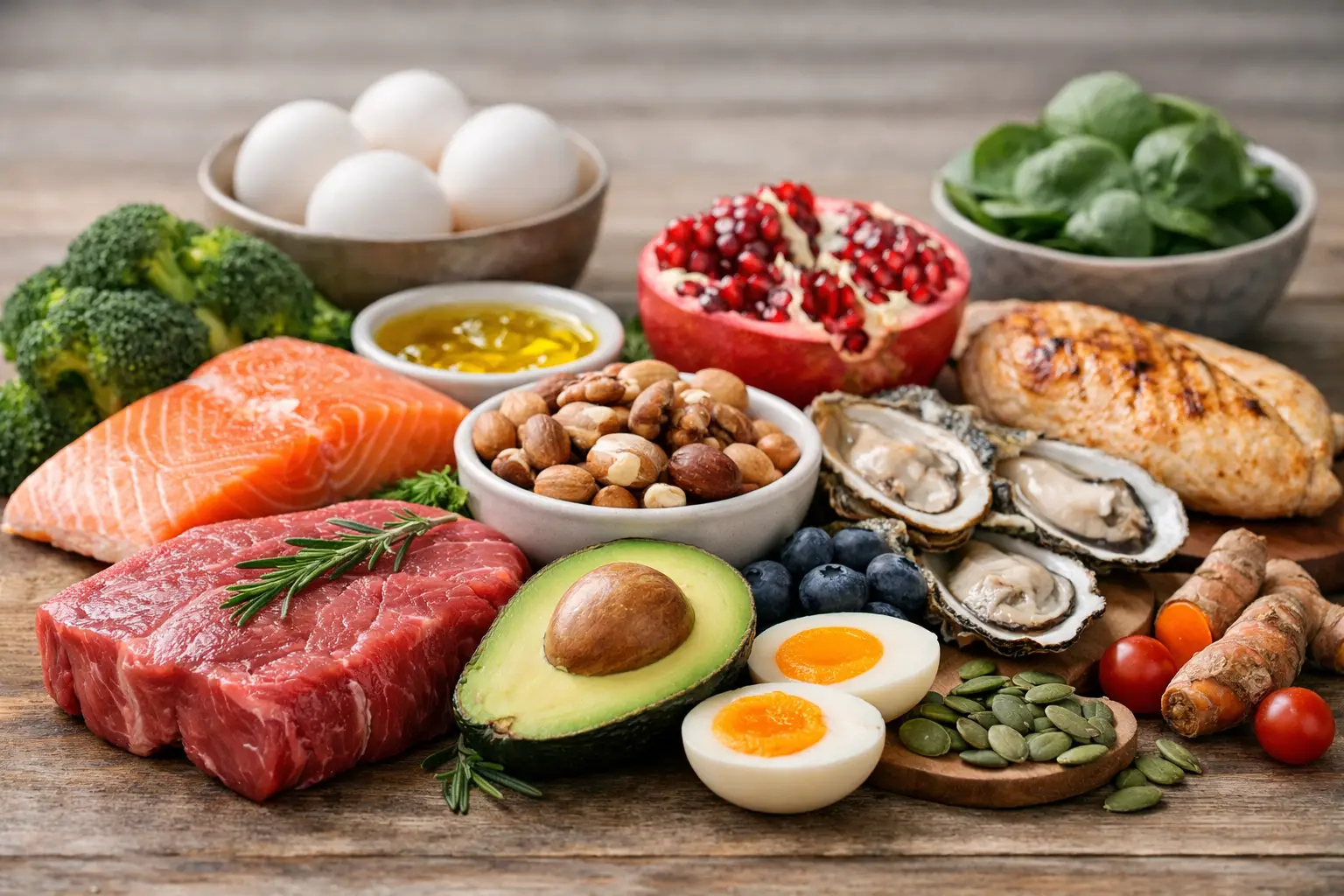
Low energy, low sex drive, stubborn belly fat, and weaker workouts often get blamed on aging alone. But for some men, diet plays a real role, and the right testosterone boosting foods may help support healthy hormone production alongside sleep, exercise, and weight control.
Food will not act like a prescription treatment, and no single ingredient can magically raise testosterone overnight. Still, your body needs enough protein, healthy fats, zinc, magnesium, vitamin D, and other nutrients to make hormones properly. That is why your plate matters more than most people think.
How testosterone boosting foods may help
Testosterone is influenced by more than one thing. Age, body fat, sleep quality, stress, alcohol use, insulin resistance, medications, and certain health conditions can all push levels down. Foods help by giving the body the raw materials it needs and by supporting a healthier weight and better metabolic health.
That means the goal is not to chase a miracle food. It is to build a pattern of eating that supports hormone balance over time. Some foods stand out because they are rich in key nutrients linked to testosterone production or because they help reduce inflammation and improve overall health.
10 testosterone boosting foods worth adding to your diet
1. Eggs
Eggs are one of the simplest foods for hormone support. They provide protein, cholesterol, and small amounts of vitamin D. Cholesterol gets a bad reputation, but your body uses it to produce hormones, including testosterone. If you tolerate eggs well, they can be a smart regular choice.
2. Oysters
Oysters are famous for a reason. They are packed with zinc, a mineral strongly tied to testosterone production and male reproductive health. If oysters are not your thing, crab, lobster, beef, pumpkin seeds, and beans also provide zinc, though usually in smaller amounts.
3. Fatty fish
Salmon, sardines, mackerel, and tuna offer omega-3 fats and vitamin D. Both are linked to better overall hormone health. Fatty fish can also support heart health and help reduce inflammation, which matters because poor metabolic health often goes hand in hand with lower testosterone.
4. Lean beef
Lean beef provides protein, iron, and zinc. It can fit well into a testosterone-supportive diet, especially for men who are low in iron or zinc. The trade-off is portion size. Too much red meat, especially processed meat, is not a great move for long-term health.
5. Pomegranate
Pomegranate has become popular in men’s health circles, and there is some early interest in its antioxidant effects. It may help support circulation and reduce oxidative stress. It is not a miracle testosterone fix, but it is a nutrient-rich fruit that fits easily into a healthy diet.
6. Leafy greens
Spinach, Swiss chard, kale, and similar greens contain magnesium, a mineral involved in many body processes, including muscle and nerve function. Some research suggests magnesium may support healthy testosterone levels, especially in people who are deficient or physically active.
7. Avocados
Avocados offer healthy monounsaturated fats, fiber, and magnesium. Very low-fat diets can sometimes work against hormone production, so including better fats from foods like avocados, olive oil, nuts, and seeds can be helpful.
8. Extra virgin olive oil
Olive oil is a staple in heart-healthy eating patterns, and that matters because better cardiovascular and metabolic health supports hormone health too. Some small studies suggest olive oil may have a positive effect on testosterone markers, though it should be seen as part of a bigger diet, not a stand-alone fix.
9. Ginger
Ginger is better known for digestion and nausea relief, but it also has a reputation in natural wellness for male reproductive support. Some early studies suggest possible benefits for testosterone and sperm health, especially in certain populations. More human research is needed, but adding ginger to meals or tea is an easy, low-risk option for most people.
10. Beans and pumpkin seeds
These are affordable, practical foods that bring zinc, magnesium, and plant protein to the table. They are especially useful for people trying to eat less meat while still covering key minerals tied to hormone health.
What to avoid if you want better hormone health
What you cut back on can matter just as much as what you add. A diet packed with ultra-processed foods, sugary drinks, heavy alcohol use, and frequent overeating can raise body fat and worsen insulin resistance. That combination is commonly linked with lower testosterone.
Crash dieting can also backfire. If you slash calories too hard or avoid dietary fat completely, hormone production may suffer. Balance works better than extremes.
When food is not enough
If symptoms are strong, diet alone may not solve the problem. Low testosterone can also be tied to sleep apnea, thyroid issues, type 2 diabetes, medication side effects, pituitary disorders, and chronic stress. In some cases, people assume testosterone is the issue when the real problem is poor sleep, depression, or low calorie intake.
That is why testing matters if symptoms continue. A doctor can check morning testosterone levels and look for the cause instead of guessing.
The bigger picture behind testosterone boosting foods
The best diet for testosterone is not a weird internet trend or a supplement stack with flashy promises. It usually looks a lot like basic healthy eating: enough protein, enough healthy fat, plenty of whole foods, and fewer ultra-processed meals.
At Herbafama, the most useful health advice is usually the simplest. If you want your diet to support testosterone naturally, start with eggs, fish, greens, olive oil, zinc-rich foods, and better overall habits. The food matters, but the pattern matters more.

