
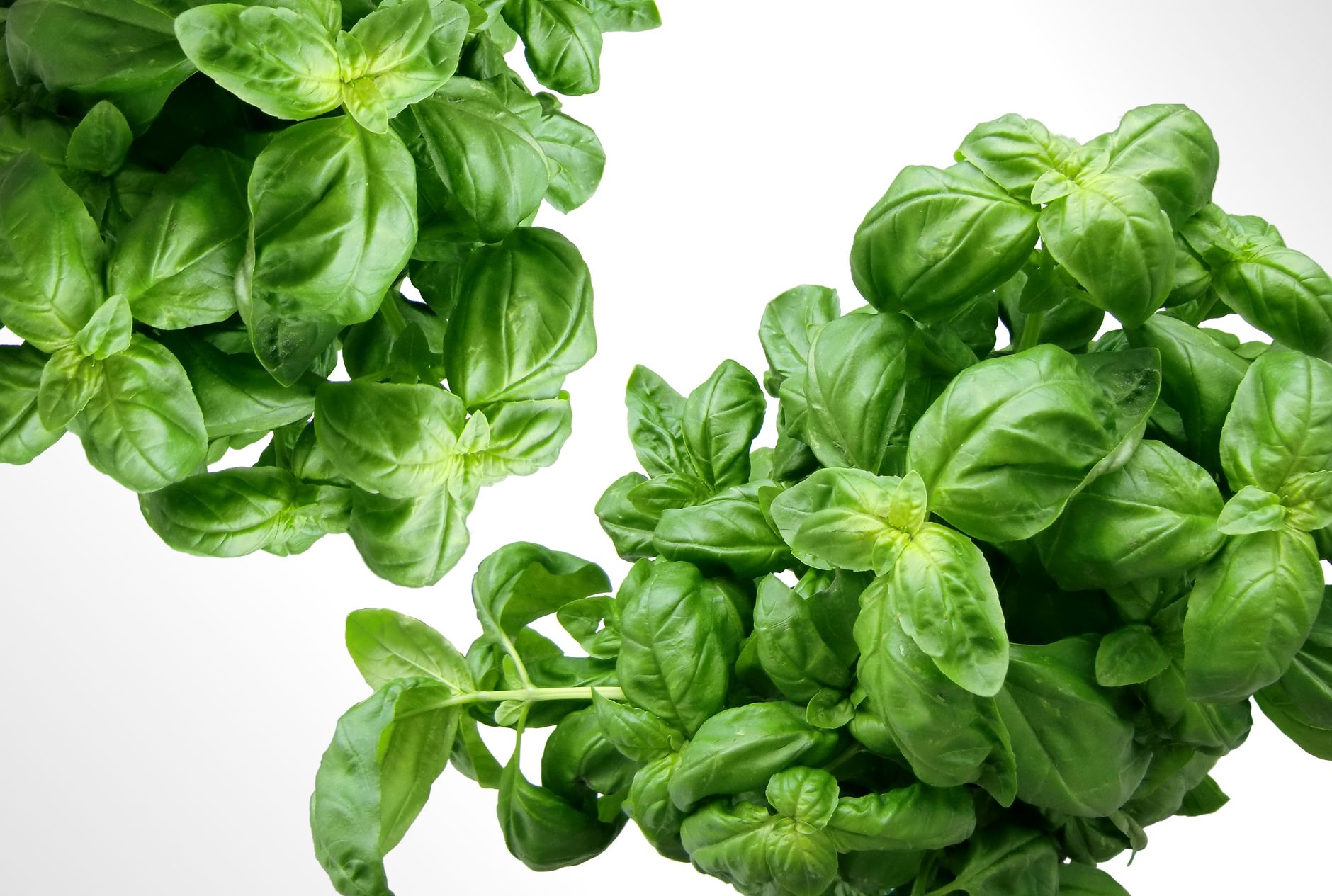

Best herbs for digestion have been trusted remedies for centuries, and in 2026, scientific research continues to validate what traditional healers have always known. If you’re experiencing bloating, gas, constipation, or general digestive discomfort, the answer might be growing in nature’s pharmacy. South Africans are increasingly turning to herbal solutions for digestive wellness, and this comprehensive guide will show you exactly which herbs work best and how to use them safely and effectively.
Understanding Digestive Health in 2026
The Rising Demand for Natural Digestive Solutions
In 2026, more South Africans than ever are seeking natural alternatives to conventional digestive medications. The modern lifestyle—characterised by stress, processed foods, and irregular eating patterns—has created a perfect storm for digestive issues. According to recent health surveys, nearly 60% of adults experience some form of digestive discomfort regularly. This surge in demand has led to renewed interest in best herbs for digestion that offer gentle yet effective relief without the side effects associated with pharmaceutical interventions.
The shift towards herbal remedies reflects a broader wellness movement across South Africa. People are becoming more conscious about what they consume and how it affects their bodies. Natural herbs offer a holistic approach to digestive health, addressing not just symptoms but underlying causes of poor digestion. When you incorporate best herbs for digestion into your daily routine, you’re not just treating a problem—you’re investing in long-term gut wellness.
How Digestive Herbs Work
Digestive herbs function through multiple mechanisms to improve gastrointestinal health. Some contain compounds that stimulate digestive enzyme production, while others provide anti-inflammatory benefits or support beneficial gut bacteria. The effectiveness of best herbs for digestion lies in their bioactive constituents—essential oils, alkaloids, and polyphenols that directly interact with your digestive system.
When you consume these herbs, their active compounds reach your digestive tract where they can exert their therapeutic effects. Some work immediately to reduce bloating and gas, while others provide cumulative benefits over weeks of consistent use. Understanding this mechanism helps you appreciate why certain herbs are considered the best herbs for digestion and how they contribute to overall wellness.
Top Digestive Herbs Available in South Africa 2026
Ginger: The Digestive Powerhouse
Ginger stands as one of the most researched and proven best herbs for digestion available today. This rhizome contains gingerol and shogaol, compounds that directly stimulate digestive secretions and accelerate gastric emptying. In 2026, South African herbalists and naturopaths consistently recommend ginger for its ability to reduce nausea, bloating, and general digestive discomfort. Whether fresh, dried, or in supplement form, ginger delivers consistent results for most users.
The beauty of ginger is its versatility. You can brew fresh ginger tea, add powdered ginger to your meals, or take standardised extracts. Studies show that just 1-2 grams of ginger daily can significantly improve digestive function. For South Africans dealing with inflammatory digestive conditions, ginger’s anti-inflammatory properties make it an exceptional choice. It’s particularly effective when taken before meals, as it primes your digestive system for optimal function.
Peppermint: Soothing Spasm Relief
Peppermint consistently ranks among the best herbs for digestion, particularly for those experiencing cramping, bloating, or irritable bowel symptoms. Menthol, the primary active compound in peppermint, has demonstrated remarkable ability to relax intestinal smooth muscle, reducing painful contractions and spasms. In 2026, enteric-coated peppermint oil capsules have become increasingly popular among South Africans seeking targeted digestive relief.
Peppermint tea offers a more accessible option for daily consumption. Simply steeping fresh or dried peppermint leaves in hot water creates a soothing drink that can be consumed after meals to enhance digestion. Research indicates that peppermint is especially effective for functional digestive disorders, making it one of the most practical best herbs for digestion for everyday use. The herb typically provides relief within 30 minutes of consumption.
Essential Digestive Herbs and Their Specific Benefits
Fennel Seeds: Ancient Bloating Remedy
Fennel seeds have been used across Mediterranean and Asian cultures for thousands of years, and modern science confirms their place among the best herbs for digestion. These small seeds contain anethole and other compounds that reduce gas production and relax intestinal muscles. South Africans dealing with post-meal bloating find fennel seeds particularly effective, often experiencing relief within 15-20 minutes of consumption.
The traditional practice of chewing fennel seeds after meals has scientific backing. These seeds stimulate the production of digestive juices and reduce fermentation in the intestines—the primary cause of bloating and gas. You can chew them whole, brew them as a tea, or find them in digestive tea blends throughout South Africa. Fennel is safe for all ages, from infants to the elderly, making it one of the most universally applicable best herbs for digestion.
Turmeric: The Anti-Inflammatory Digestive Herb
Turmeric, particularly its active compound curcumin, has emerged as one of the best herbs for digestion in 2026, especially for those with inflammatory digestive conditions. This golden spice doesn’t just improve digestion—it actively reduces inflammation throughout the digestive tract, supporting healing and long-term wellness. South Africans with conditions like inflammatory bowel disease, gastritis, or general digestive inflammation have reported significant improvements with consistent turmeric use.
The key to turmeric’s effectiveness is bioavailability. When combined with black pepper (piperine) and healthy fats, curcumin absorption increases dramatically. This is why traditional turmeric milk and modern turmeric supplements typically include these complementary ingredients. For digestive health specifically, golden milk consumed daily offers both immediate soothing effects and cumulative anti-inflammatory benefits. Turmeric represents one of the most scientifically-supported best herbs for digestion available in 2026.
Comprehensive Digestive Herbs Comparison Table
| Herb | Primary Benefits | Best Form | Typical Dose | Time to Effect |
|---|---|---|---|---|
| Ginger | Nausea, bloating, gas | Fresh, tea, extract | 1-2g daily | 20-30 mins |
| Peppermint | Cramping, IBS symptoms | Tea, enteric oil | 1-2 cups tea daily | 30 mins |
| Fennel | Bloating, gas | Seeds, tea | 1 tsp seeds daily | 15-20 mins |
| Turmeric | Inflammation, pain | Powder, milk, extract | 500-1000mg daily | 3-7 days |
| Licorice Root | Acid reflux, ulcers | Tea, extract, chew | 1-2g daily | 1-2 weeks |
| Chamomile | Inflammation, anxiety | Tea, dried flowers | 1-2 cups daily | Immediate |
Licorice Root: Healing Damaged Digestive Linings
Among the best herbs for digestion, licorice root deserves special attention for its ability to heal and protect the digestive tract lining. Compounds in licorice stimulate mucus production, which protects stomach and intestinal walls from acid damage. For South Africans with gastritis, ulcers, or acid reflux, deglycyrrhizinated licorice (DGL) offers therapeutic benefits without side effects associated with whole licorice root.
Licorice works differently from other digestive herbs—rather than immediately relieving symptoms, it promotes healing. This makes it one of the best herbs for digestion when your goal is long-term repair rather than acute symptom relief. Consistent use over 4-8 weeks typically results in significant improvement for those with damaged or irritated digestive linings. The herb is particularly valuable for South Africans dealing with stress-related digestive issues.
Chamomile: Calming Digestive Inflammation
Chamomile deserves recognition as one of the best herbs for digestion due to its combined anti-inflammatory and anxiolytic properties. Many digestive problems stem from stress and anxiety, which increase stomach acid and reduce digestive efficiency. Chamomile addresses both the physical and emotional components of poor digestion, making it exceptionally valuable for stress-related digestive complaints.
The flowers of the chamomile plant contain compounds that reduce intestinal inflammation, calm muscle spasms, and promote relaxation. This multifaceted approach explains why chamomile has been used for digestive health across countless cultures for millennia. In 2026, South Africans can easily access high-quality chamomile tea, making this one of the most accessible best herbs for digestion. Regular consumption provides cumulative benefits for overall digestive wellness.
How to Use the Best Herbs for Digestion Effectively
Preparation Methods and Dosing Guidelines
Understanding proper preparation is crucial for maximizing the benefits of best herbs for digestion. Different herbs require different preparation methods to extract their active compounds optimally. Volatile oils in herbs like ginger and peppermint require shorter brewing times to prevent evaporation, while harder materials like licorice root need longer extraction periods to release their compounds fully.
Tea preparation should typically involve steeping dried herbs in hot (not boiling) water for 5-10 minutes, then straining. For fresh herbs, double the quantity and steep slightly longer. Standardised extracts and supplements offer convenience, though whole herbs often provide superior results due to their complete spectrum of compounds. When using commercial supplements, always follow label instructions and select products from reputable South African suppliers or internationally certified manufacturers.
- Fresh herb tea: 1 tablespoon fresh herb per cup of water, steeped 5-10 minutes
- Dried herb tea: 1 teaspoon dried herb per cup of water, steeped 5-10 minutes
- Herbal tinctures: Typically 20-30 drops in water, 2-3 times daily
- Capsules: Follow manufacturer guidelines, usually 1-2 capsules with meals
- Seeds: Chew whole (fennel, cumin) or grind before brewing as tea
- Powders: Mix into water, milk, or smoothies, 1/2 to 1 teaspoon daily
Creating Your Optimal Digestive Herb Protocol
Rather than using single herbs randomly, the most effective approach combines complementary herbs into a cohesive protocol. Your ideal combination depends on your specific digestive issues. For bloating and gas, combine ginger with fennel and peppermint. For inflammatory conditions, create a turmeric and licorice root protocol. For stress-related digestion, blend chamomile with peppermint and ginger.
Most South Africans benefit from consistency—using the same herbal combination for at least 4 weeks before assessing results. Your digestive system requires time to rebalance, and cumulative benefits often exceed initial effects. Keep a simple food and symptom diary to track which herbs work best for your individual constitution. This personalised approach transforms best herbs for digestion from general recommendations into a precisely-tailored wellness strategy.
Safety, Contraindications, and Expert Considerations for 2026
When to Consult Healthcare Professionals
While the best herbs for digestion are generally safe, certain situations warrant professional guidance. If you’re taking pharmaceutical medications, pregnant, breastfeeding, or have serious digestive conditions like Crohn’s disease or ulcerative colitis, consult a healthcare provider before starting herbal protocols. Some herbs can interact with medications or exacerbate certain conditions if used inappropriately.
South Africans should also seek professional guidance if digestive symptoms persist despite dietary changes and herbal use for more than 4 weeks. Chronic digestive issues sometimes indicate underlying conditions requiring proper diagnosis. Licensed naturopaths, herbalists, and gastroenterologists in South Africa can help you determine whether best herbs for digestion alone will address your situation or whether additional interventions are necessary. For regulatory information, you can consult resources from SA Government regarding health and herbal product standards.
Potential Interactions and Contraindications
Licorice root should be avoided by those with high blood pressure or kidney disease. Peppermint may interfere with iron absorption if consumed in large quantities. Ginger can increase bleeding risk when combined with anticoagulant medications. Turmeric may enhance the effects of blood-thinning medications. These aren’t reasons to avoid these best herbs for digestion—they’re reasons to use them mindfully and informedly.
Pregnancy represents a special consideration. While many digestive herbs are safe during pregnancy, others should be avoided entirely. Consult your healthcare provider about which of the best herbs for digestion are appropriate for your specific situation. Quality matters significantly—always source herbs from reputable suppliers in South Africa to ensure purity and proper identification. Contaminated or mislabeled products can create problems regardless of the herb’s inherent safety profile.
- Avoid licorice root with hypertension or kidney disease
- Use peppermint cautiously if taking iron supplements
- Consult before using ginger with anticoagulant medications
- Check with healthcare provider during pregnancy or breastfeeding
- Source herbs from certified suppliers with quality testing
- Start with smaller doses to assess individual tolerance
- Discontinue any herb if adverse reactions occur
Complementary Strategies to Enhance Herbal Digestive Support
Dietary Approaches That Work With Digestive Herbs
The best herbs for digestion work synergistically with proper dietary choices. Consuming smaller, more frequent meals allows herbs like ginger to work optimally by preventing digestive overload. Increasing soluble fibre through vegetables, fruits, and whole grains provides the substrate that beneficial gut bacteria need to thrive. Staying adequately hydrated ensures that herbal compounds reach your digestive tract properly and that your system has sufficient fluid for optimal functioning.
South Africans seeking maximum results should eliminate or reduce foods that trigger their specific symptoms while simultaneously implementing herbal protocols. Common digestive irritants include high-fat foods, spicy dishes, carbonated beverages, and excessive caffeine. This isn’t about restrictive dieting—it’s about creating an environment where best herbs for digestion can work most effectively. Many people find that as their digestion improves with herbs, they naturally regain tolerance for previously problematic foods.
Lifestyle Factors That Amplify Herbal Benefits
Stress management represents one of the most underrated factors in digestive health. The gut-brain connection means that anxiety and stress directly impair digestive function regardless of which herbs you’re using. Incorporating stress-reduction practices like meditation, gentle yoga, or simply mindful breathing can dramatically enhance the effectiveness of the best herbs for digestion. Many South Africans report that combining herbal protocols with stress management produces results far exceeding either approach alone.
Movement and exercise also support digestive health significantly. Gentle walking after meals promotes healthy digestion, while regular physical activity improves overall gut motility. Sleep quality impacts digestive function through hormonal regulation and microbial balance. These lifestyle factors work alongside best herbs for digestion to create comprehensive digestive wellness. The most successful South Africans combine herbal support with dietary improvements, stress management, and healthy lifestyle habits for optimal results.
Frequently Asked Questions About the Best Herbs for Digestion
Can I use multiple digestive herbs simultaneously?
Yes, combining complementary digestive herbs typically produces better results than single herbs. In fact, traditional herbal medicine has always used herb combinations specifically formulated to address multiple aspects of digestive dysfunction. The best approach involves selecting herbs that work synergistically—for example, ginger (stimulates digestion) combined with peppermint (reduces cramping) and fennel (reduces gas). Start with 2-3 herbs and expand gradually as you learn what works for your body. If you’re taking medications, consult a healthcare provider to ensure no interactions exist before combining multiple herbs.
How long does it take to see results from digestive herbs?
Results vary depending on the herb and your condition. Acute symptoms like bloating and gas often improve within 15-30 minutes of consuming ginger or peppermint tea. Other benefits develop more gradually—inflammation typically requires 3-7 days of consistent use, while deep healing of damaged digestive tissues might require 4-8 weeks. Most South Africans notice significant improvements within 2-4 weeks of consistent use with appropriate herbs. Keep a symptom journal to track improvements objectively, as subtle benefits sometimes go unnoticed without documentation.
Are herbal supplements regulated in South Africa?
Herbal products sold as medicines in South Africa must comply with regulations set by the South African Health Products Regulatory Authority (SAHPRA). When purchasing best herbs for digestion, look for products registered with SAHPRA or those that comply with international quality standards. Quality varies significantly among suppliers—choose established companies with transparent sourcing and testing procedures. This ensures you’re receiving genuine herbs with appropriate potency rather than contaminated or adultered products. Check product labels carefully for registration numbers and quality certifications.
Can I grow digestive herbs in my South African garden?
Absolutely! Many of the best herbs for digestion grow exceptionally well in South African gardens and climates. Ginger, peppermint, turmeric, fennel, and chamomile can all be cultivated successfully. Growing your own ensures maximum freshness and allows you to avoid pesticides or other contaminants. Peppermint and chamomile are particularly easy to grow and surprisingly resilient. Many South Africans find that cultivating their own herbs creates a deeper connection to their wellness journey while providing cost savings compared to purchased products. Start small with easy-to-grow species and expand as you gain confidence.
What’s the best way to transition from pharmaceutical digestive medications to herbs?
Never stop pharmaceutical medications abruptly