
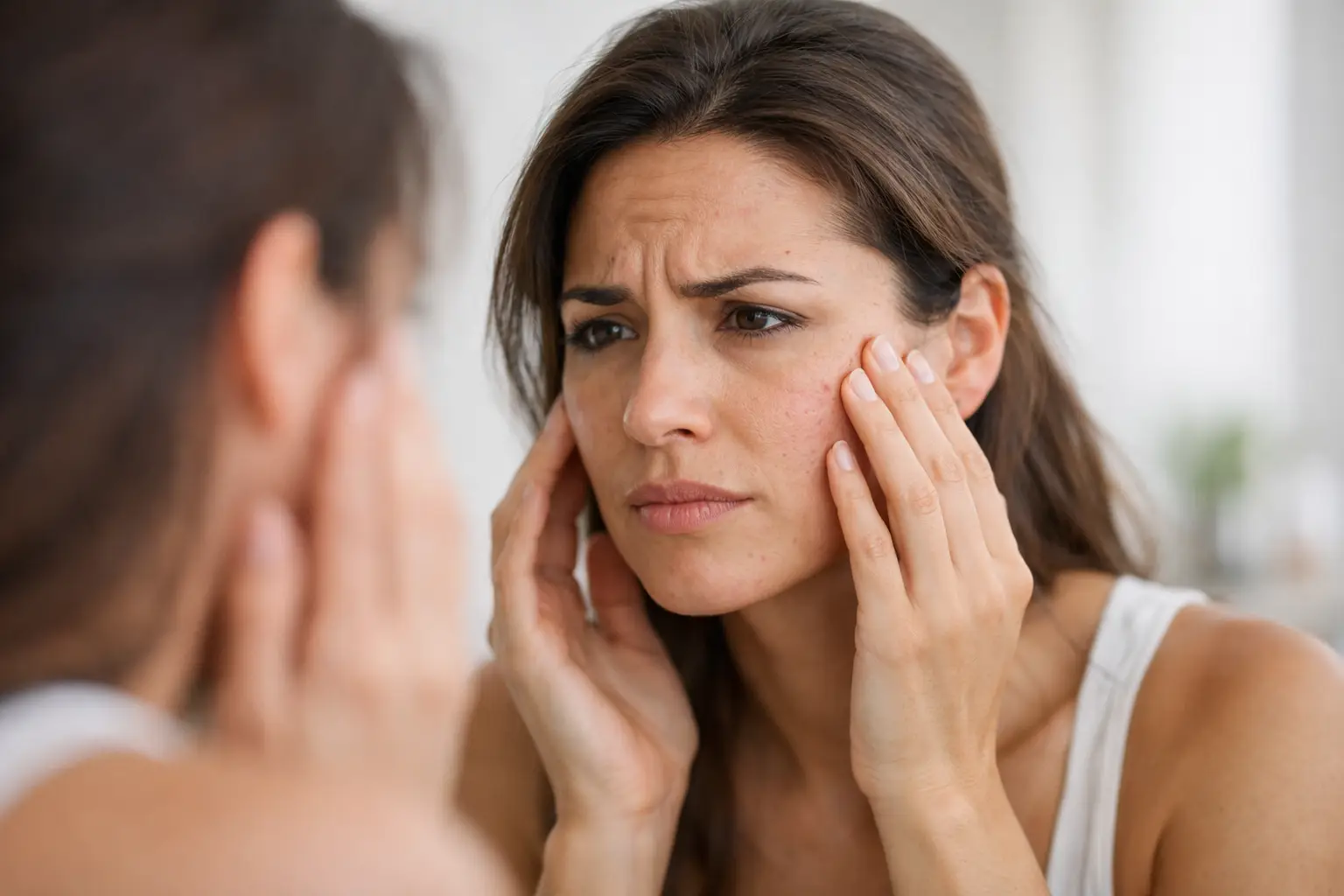
Your skin often shows stress before you even say you are stressed. A sudden breakout before a deadline, redness during a rough week, or itching that seems to come out of nowhere can all be clues. How Stress Affects Your Skin is not just a beauty issue. It is a real mind-body response that can change oil production, weaken the skin barrier, and stir up inflammation.
That is why stressful seasons can make your face look different even when your skincare routine has not changed. You may notice more acne, dullness, dryness, sensitivity, or flare-ups of conditions you usually have under control. The good news is that once you understand what is happening, it becomes easier to respond in ways that actually help.
How stress affects your skin from the inside out
Stress sets off a chain reaction in the body. When you feel under pressure, your body releases hormones like cortisol and adrenaline. These chemicals are useful in short bursts, but when stress hangs around for days or weeks, they can start affecting the skin in visible ways.
Cortisol can push oil glands to produce more sebum. More oil can mean clogged pores and more breakouts, especially on the forehead, jawline, and chin. Stress can also increase inflammation, and inflammation is a major player in many skin problems, from acne to eczema to psoriasis.
Another issue is the skin barrier. This outer layer helps hold moisture in and keeps irritants out. Chronic stress can weaken that barrier, which may leave skin drier, more reactive, and easier to irritate. That is one reason some people suddenly feel like every product stings when life gets overwhelming.
Sleep loss adds another layer. Stress and poor sleep often show up together, and your skin pays attention to both. When you are not sleeping well, skin repair does not happen as efficiently. You may wake up looking puffier, duller, or more tired than usual.
Common skin problems triggered or worsened by stress
Stress does not affect everyone the same way. One person breaks out. Another gets itchy patches or hives. A third notices that their skin just looks tired and rough. Still, a few patterns show up again and again.
Acne and stress breakouts
This is one of the most common signs. Stress does not magically create acne on its own, but it can make existing acne worse. More oil, more inflammation, and more picking or touching the face during anxious moments can all feed the cycle.
Stress breakouts often seem stubborn. They may come on quickly, hang around longer, and leave behind post-inflammatory marks. If you already have hormonal acne, stress can make it harder to control.
Dryness, irritation, and sensitivity
When the skin barrier is weakened, moisture escapes more easily. That can leave skin flaky, tight, or rough. You may also become more sensitive to weather, harsh cleansers, fragranced products, or even hot water.
This kind of stressed skin can be confusing because it does not always look dramatic. Sometimes it just feels off. Your usual products stop working. Makeup sits differently. Skin gets red more easily.
Eczema, psoriasis, and rosacea flare-ups
Stress is a well-known trigger for inflammatory skin conditions. People with eczema may notice more itching and dry patches. Those with psoriasis may see plaques become more active. Rosacea can flare with more redness, heat, and bumps.
This can become a frustrating loop. Stress worsens the skin condition, and the skin condition causes even more stress. Breaking that cycle often requires both skin-focused care and stress support.
Hives, itching, and rashes
Some people develop stress hives or unexplained itching during emotionally intense periods. Stress can make the immune system behave differently, which may contribute to these reactions. Not every rash is stress-related, of course, but if symptoms tend to rise during hard weeks, stress may be part of the picture.
Dull skin and faster visible aging
Ongoing stress can affect circulation, hydration, sleep, and inflammation levels. Over time, that can leave skin looking tired, less bright, and less resilient. Fine lines may also seem more noticeable when skin is dry, tense, and not recovering well.
Stress is not the only cause of skin aging, but it can speed up the worn-out look many people notice during periods of burnout.
Why stress can make your skincare routine backfire
When skin starts acting up, many people respond by doing more. They add exfoliating acids, strong acne products, masks, scrubs, or multiple new serums all at once. That usually makes stressed skin angrier.
If your barrier is already compromised, aggressive products can increase burning, peeling, and redness. Even ingredients that are helpful in the right setting can be too much when skin is under strain.
This is where a simpler routine usually wins. Cleanse gently, moisturize well, protect with sunscreen, and use targeted treatments carefully. If your skin is flaring, this is probably not the best time to test five trendy products.
What your skin may be trying to tell you
Your skin cannot diagnose your stress level, but it can offer clues. If you keep seeing flare-ups around deadlines, family conflict, poor sleep, travel, or emotional overload, the pattern is worth noticing.
That does not mean every blemish is psychological. Hormones, diet, climate, medications, and genetics matter too. But if your skin changes during stressful periods, your body may be telling you it needs support beyond topical products.
A simple symptom journal can help. Track when breakouts, redness, itching, or dryness get worse. Note what else is happening at the same time, like less sleep, more caffeine, skipped meals, or higher anxiety. Patterns are often easier to see in writing than in memory.
How to calm stress-related skin issues
The most effective approach usually works on two levels at once: protect the skin barrier and reduce the stress load that is fueling the problem.
Start with the basics. Use a mild cleanser instead of a harsh foaming wash. Apply a fragrance-free moisturizer while skin is still slightly damp. Wear sunscreen daily, because stressed skin can be more vulnerable to irritation and post-breakout marks.
Then look at the habits around your skin. If stress is high, try not to over-cleanse, over-exfoliate, or pick at blemishes. Keep showers warm instead of hot. Change pillowcases regularly. Give your skin a little less friction and a little more consistency.
Stress support matters just as much. You do not need a perfect wellness routine to see benefits. Better sleep, steady meals, hydration, movement, and short calming practices can all help. Even ten minutes of walking, stretching, deep breathing, or quiet time can lower the intensity of your stress response.
For readers who like natural wellness support, some people find calming rituals especially helpful, like caffeine-free herbal tea in the evening, a gentle magnesium bath, or relaxing aromatherapy. These are not cure-alls, and herbs are not right for everyone, especially if you take medications or have health conditions. But stress reduction habits, even simple ones, can support both your mood and your skin.
When to see a doctor or dermatologist
Stress-related skin changes are common, but they should not be ignored if they are severe, persistent, or painful. A dermatologist can help if acne becomes cystic, a rash keeps returning, itching disrupts sleep, or an existing condition like eczema or rosacea is getting harder to manage.
It is also smart to get checked if a skin problem appears suddenly and does not improve, because not every flare-up is caused by stress. Allergies, infections, medication reactions, and underlying health issues can look similar at first.
If you feel constantly overwhelmed, anxious, or burned out, your mental health deserves attention too. Skin and stress often travel together, and treating one while ignoring the other only gets you halfway there.
Small daily habits that can make a real difference
You do not need a complicated reset. Most people do better with a few realistic habits they can repeat. A consistent bedtime, a simpler skincare routine, enough water, less face touching, and regular breaks during the day can go further than expensive products.
It also helps to adjust expectations. During stressful times, your goal may not be perfect skin. It may be calmer, less reactive skin that can recover. That is still progress.
If your skin tends to unravel when life gets hectic, pay attention to that pattern instead of fighting it harder. Sometimes the healthiest move is to step back, simplify, and support your body as a whole. Your skin is not just reacting at random. In many cases, it is asking for a little less pressure and a little more care.

