
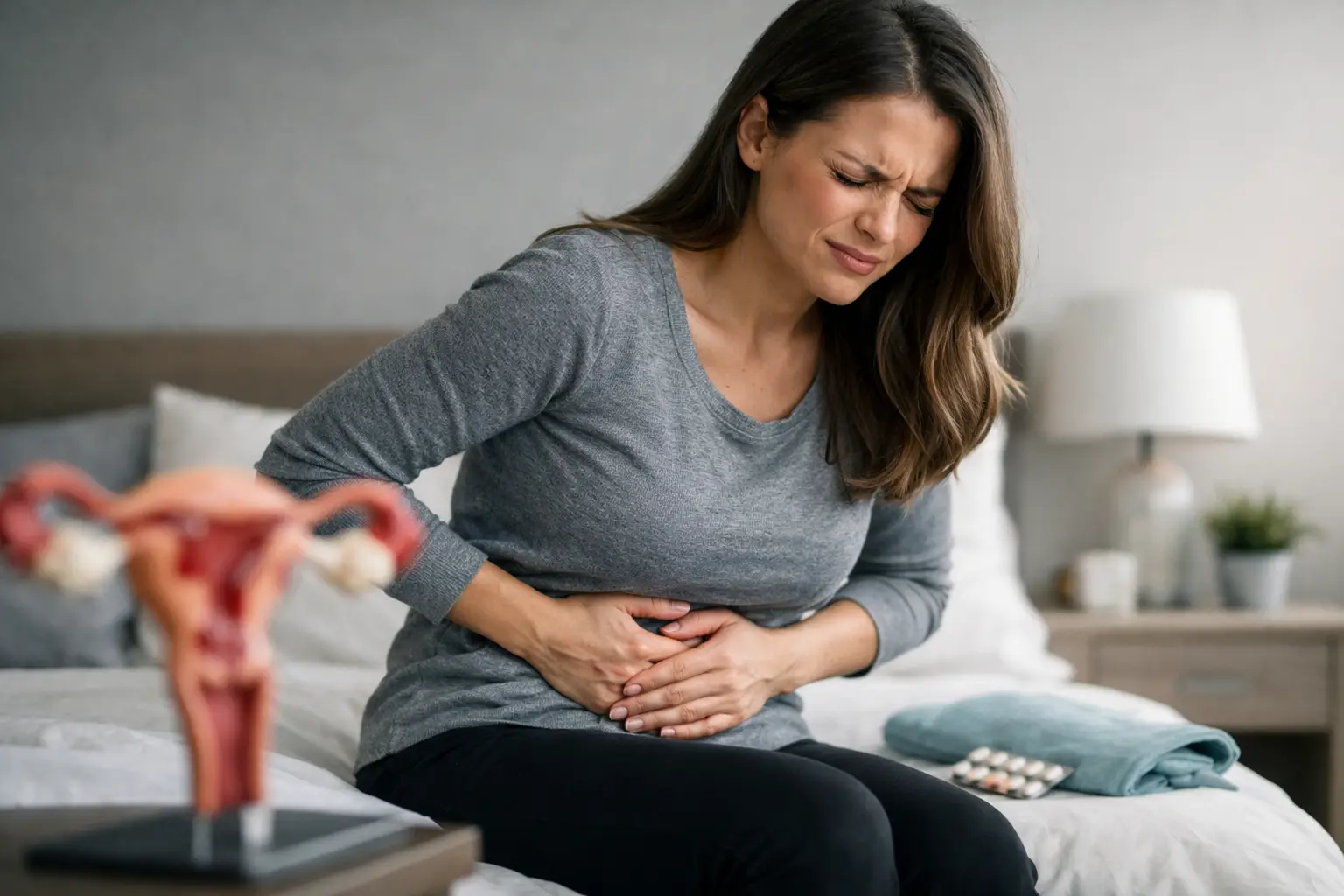
Severe period pain is often brushed off as something to “just deal with,” but that can be a costly mistake. Endometriosis symptoms can be easy to miss at first, especially when they overlap with common menstrual problems like cramps, bloating, and fatigue. The difference is that with endometriosis, these issues are often stronger, more persistent, and more disruptive to daily life.
Endometriosis happens when tissue similar to the lining of the uterus grows outside the uterus. It can affect the ovaries, fallopian tubes, bladder, bowel, and nearby pelvic tissue. Over time, this can lead to inflammation, scarring, and pain that shows up during periods, sex, bathroom trips, or even throughout the month.
Common endometriosis symptoms
The best-known symptom is pelvic pain, especially around menstruation. But the pain is not always limited to a period. Some people feel aching, stabbing, or pressure-like pain before their cycle starts, during bleeding, or long after it ends.
Heavy or irregular bleeding can also happen. That might mean soaking through pads or tampons faster than expected, spotting between periods, or having a cycle that feels unusually draining. While heavy bleeding does not always mean endometriosis, it is one of the signs worth paying attention to when it comes with pain.
Another common issue is pain during or after sex. This can feel deep in the pelvis rather than at the vaginal opening. For many people, this symptom gets overlooked or goes unmentioned, but it is a frequent complaint in endometriosis.
Pain with bowel movements or urination is another clue, especially during a period. Some people also deal with bloating, nausea, diarrhea, constipation, or lower back pain. This is one reason endometriosis can be confused with digestive problems such as irritable bowel syndrome.
Fatigue is also common. It is not just “feeling tired.” Some people describe it as a heavy, drained feeling that makes work, exercise, and routine tasks harder than usual.
What endometriosis pain can feel like
Not everyone experiences endometriosis the same way. One person may have intense cramps and heavy bleeding. Another may mostly struggle with painful sex, digestive symptoms, or infertility. Some people even have mild symptoms despite having more extensive disease, while others have severe pain with less visible tissue growth.
That uneven pattern is part of what makes diagnosis tricky. The amount of pain does not always match the amount of endometriosis present. So if your symptoms are serious but past exams were normal, that does not automatically rule it out.
Symptoms that often get mistaken for “normal”
Many women are told their pain is just part of having a period. Mild cramps can be normal. Missing school, canceling plans, vomiting from pain, or needing to stay in bed regularly is not something to ignore.
A few red flags include period pain that keeps getting worse, pain that does not respond well to over-the-counter medicine, pelvic pain between periods, and symptoms that interfere with sleep, work, or relationships. If your cycle runs your life every month, it deserves a closer look.
Endometriosis and fertility
Sometimes the first sign of endometriosis is trouble getting pregnant. The condition can affect fertility by causing inflammation, scarring, or changes in the pelvic organs. That said, not everyone with endometriosis has fertility problems, and many people with the condition do conceive.
Still, if you have painful periods plus difficulty getting pregnant, it is smart to bring both issues up together. That combination can help a doctor decide what to evaluate next.
When to see a doctor
You do not need to wait until symptoms become unbearable. It is a good idea to seek medical care if pelvic pain is recurring, bleeding is unusually heavy, sex is painful, or bathroom symptoms flare during your period.
Tracking symptoms can help. Write down when pain happens, where it hurts, how long it lasts, how heavy your flow is, and whether symptoms affect digestion, urination, energy, or sexual activity. Those details can make appointments more productive and help you feel more prepared.
Doctors may use pelvic exams, ultrasound, or MRI to look for other causes or signs of endometriosis, but the condition is not always visible on imaging. In some cases, further evaluation is needed for a clearer diagnosis.
Can lifestyle habits help?
Lifestyle changes will not cure endometriosis, but they may help some people manage symptoms alongside medical care. Anti-inflammatory eating patterns, regular gentle movement, heat therapy, good sleep habits, and stress reduction can make a difference for day-to-day comfort.
Some people also explore natural wellness approaches such as ginger, turmeric, magnesium, or certain herbal supports for cramps and inflammation. These options may be helpful for symptom relief, but they should not replace medical evaluation, especially if pain is severe or new. Natural remedies can also interact with medications, so it is worth checking with a healthcare professional before starting them.
The bottom line on endometriosis symptoms
Endometriosis symptoms are more than bad cramps. They can include chronic pelvic pain, heavy bleeding, pain during sex, digestive trouble, fatigue, and fertility challenges. If your symptoms feel bigger than what people call a “normal period,” trust that signal. Getting answers may take time, but taking your pain seriously is a strong first step.

