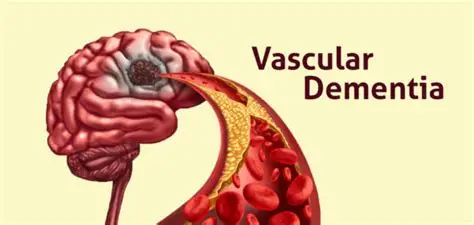
Vascular dementia is the second most common type of dementia, following Alzheimer’s disease. It is a progressive condition caused by reduced blood flow to the brain, which damages and eventually kills brain cells. Unlike Alzheimer’s, which primarily affects memory, vascular dementia often impacts thinking, reasoning, planning, and judgment.
Causes of Vascular Dementia
Vascular dementia is typically caused by strokes or other conditions that damage blood vessels in the brain. Common contributors include:
- Stroke: A major stroke can block blood flow to the brain, leading to sudden cognitive decline.
- Mini-strokes (TIA): Transient ischemic attacks may cumulatively cause brain damage.
- Atherosclerosis: The buildup of fatty deposits in blood vessels restricts blood flow to the brain.
- High blood pressure: Chronic hypertension increases the risk of vascular damage.
- Diabetes: High blood sugar levels can damage blood vessels and nerves.
For more information on the causes and prevention strategies, visit Alzheimer’s Association on Vascular Dementia.
Symptoms of Vascular Dementia
Symptoms can vary depending on the severity and location of brain damage. Common signs include:
- Confusion or disorientation
- Trouble focusing or planning
- Difficulty with problem-solving
- Memory loss (less pronounced than in Alzheimer’s)
- Mood changes, such as depression or apathy
- Difficulty walking or maintaining balance
Symptoms often appear suddenly after a stroke or may progress gradually over time.
Diagnosis
Diagnosing vascular dementia involves a combination of medical history, cognitive tests, and imaging scans. Doctors may use:
- MRI or CT scans to detect brain damage or blood vessel abnormalities.
- Neuropsychological tests to evaluate memory, attention, and problem-solving skills.
- Physical exams to check for stroke risk factors like high blood pressure or diabetes.
Early diagnosis is crucial for managing symptoms and preventing further damage.
Treatment and Management
There is no cure for vascular dementia, but treatments can help manage symptoms and reduce the risk of further strokes. Key approaches include:
- Medications: To control blood pressure, cholesterol, or diabetes.
- Lifestyle changes: Regular exercise, healthy diet, quitting smoking, and limiting alcohol.
- Cognitive therapy: Brain exercises and rehabilitation can improve functioning.
- Support networks: Counseling and support groups for patients and caregivers.
For practical tips and resources on living with vascular dementia, check out Mayo Clinic’s Guide to Vascular Dementia.
Prevention
While not all cases of vascular dementia are preventable, reducing risk factors for stroke and heart disease can lower your risk. Focus on:
- Maintaining healthy blood pressure and cholesterol
- Controlling diabetes
- Exercising regularly
- Eating a balanced diet rich in fruits, vegetables, and whole grains
- Avoiding smoking and excessive alcohol consumption
Conclusion
Vascular dementia is a serious but manageable condition. Understanding its causes, symptoms, and management strategies is key for patients, families, and caregivers. Early detection and a healthy lifestyle can slow progression and improve quality of life.

