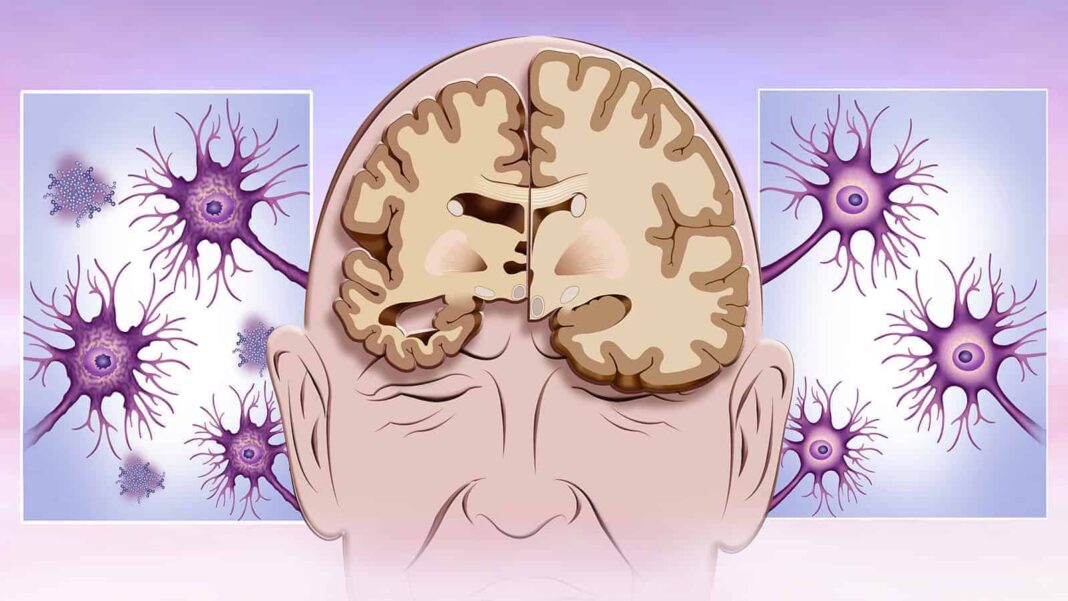
For decades, scientists have known that genetics plays a role in Alzheimer’s disease — especially when the disease runs in families. But this past year, new research has brought an even more precise understanding of how a specific genetic variant may act as a clear cause of a form of Alzheimer’s, rather than just a risk factor. This has sparked fresh questions: Should you get tested for this gene? What do the results really mean for your health? And how might this knowledge affect diagnosis, care, and future treatment?
Let’s unpack the science — and what it means for you.
🧬 What the New Research Found
Recent studies suggest that inheriting two copies of the APOE4 gene variant (one from each parent) may be strong enough evidence to consider this a genetic cause of Alzheimer’s, at least for a subset of people. In these individuals, brain changes associated with Alzheimer’s (like amyloid buildup) appear predictably and earlier in life — similar to other genetically determined diseases.
This is an important shift from how scientists used to think about genetic risk:
- Previously, APOE4 was considered a risk factor — meaning it increases the likelihood of developing Alzheimer’s but doesn’t guarantee it.
- Now, for people with two APOE4 copies, emerging evidence suggests the variant functions much more like a causal factor for how the disease unfolds biologically.
However, most people with Alzheimer’s do not have two APOE4 copies, and many carriers never develop dementia. Genetics is just one piece of the puzzle.
🧠 Understanding APOE4: Risk vs. Cause
The APOE gene comes in three common forms (alleles):
- APOE2 — may reduce Alzheimer’s risk
- APOE3 — the most common, neutral form
- APOE4 — increases risk for Alzheimer’s disease
Carrying one APOE4 allele increases your risk of Alzheimer’s compared to someone without it. Carrying two increases that risk even more — up to 8–12 times higher than average.
Traditionally, scientists viewed this gene as a risk factor — not a definitive cause. But new data show that the brain changes associated with Alzheimer’s occur consistently and predictably in people with two APOE4 alleles, so much so that some researchers argue this form of Alzheimer’s should be labeled genetically defined.
🧪 Should You Get Genetic Testing?
The short answer: Maybe — but with caution.
1. What Genetic Testing Can Tell You
A genetic test (e.g., for APOE type) can identify which variant you carry — including if you have one or two APOE4 alleles. But it cannot definitively predict whether you will develop Alzheimer’s.
- A positive result doesn’t mean you’ll definitely get the disease.
- A negative result doesn’t mean you’re safe.
Genetics alone doesn’t determine Alzheimer’s — lifestyle, environment, and other factors matter too.
If you do take such a test, you’ll receive a risk estimate — not a diagnosis. You’d likely undergo this through either a medical provider or certain direct‑to‑consumer platforms that look at APOE type.
👉 Important: Most experts don’t recommend routine APOE testing for everyone. It’s primarily useful in specific situations — for example, if you have a strong family history, early symptoms, or are considering participation in certain clinical trials. Genetic counselors can help you decide whether testing makes sense for you.
🤔 Pros and Cons of Testing
👍 Potential Benefits
- You gain information about your risk profile
- May help guide earlier monitoring or lifestyle changes
- Could be relevant for research participation
👎 Possible Downsides
- It might cause anxiety or stress about future health
- Insurance and employment implications (depending on where you live)
- No guaranteed preventative therapy exists
- Might not change medical recommendations
Many major health organizations emphasize counseling before and after such tests to help you make an informed choice.
🧠 Other Genes and Ongoing Research
APOE4 is just one piece of a much bigger genetic landscape. Researchers have identified more than 100 genes that may play roles in late‑onset Alzheimer’s, and emerging studies continue to reveal both risk‑increasing and protective variants.
Some research focuses on rare variants that disrupt certain brain functions — like the PICALM variant that impairs the brain’s microglial cleanup cells, raising Alzheimer’s risk.
Ongoing efforts aim to understand how these genetic clues translate into therapies or lifestyle interventions that could slow or prevent the disease.
🧩 Lifestyle Still Matters
Even if you inherit a high‑risk gene, there are factors you can influence:
- Regular physical activity
- Healthy diet (e.g., Mediterranean diet)
- Mental engagement
- Good sleep and vascular health
These approaches don’t eliminate risk, but they may help reduce cognitive decline — especially when paired with genetic awareness.
Final Thoughts
The emergence of evidence that certain genetic variants may act as clear causes of Alzheimer’s marks a monumental leap in dementia research. But genetic testing isn’t a one‑size‑fits‑all solution. For most people, it remains a personal decision — ideally made with medical and genetic counseling support.
Understanding your genes may help you plan for the future and make informed health choices — but it doesn’t write your future in stone.

