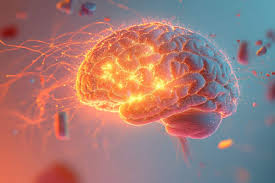
Our emotions shape more than just how we feel, they also influence how we remember. Strong emotions can either sharpen your memory or disrupt it, depending on the situation and the emotion involved. Healthline
Understanding how emotion interacts with memory can help you harness your mental processes better and protect yourself when emotions are working against you.
What the Research Shows
- Emotional arousal (such as excitement, fear, anger) directs your brain to focus on what appears most relevant in the moment. As a result, you’re more likely to encode central details of an event when you’re highly emotional but you might lose the finer peripheral details. Healthline+2Wikipedia+2
- The brain regions responsible for emotion and memory like the amygdala and hippocampus work in close coordination. The amygdala flags emotional significance, influencing how the hippocampus records an event. Harvard Health+2Cleveland Clinic+2
- But it’s not always beneficial: intense or chronic negative emotions (stress, anxiety, depression) can impair memory formation or retrieval. Healthline+1
- On the flip side, positive emotions or moderate levels of arousal tend to improve long-term memory for events. PMC+1
Why This Happens
Here’s a simplified breakdown of how emotion and memory interact:
- Attention makes the difference: Emotionally charged events capture more focus, which means the brain pays more attention and encodes more strongly. PMC+1
- Emotional tagging: The amygdala signals “this matters” to memory systems, influencing what gets stored. Harvard Health+1
- Detail trade-off: When your brain is in a high-emotional state, it may store the gist of the event but drop peripheral details. That can lead to memories that are vivid but less accurate in the fine points. Wikipedia+1
- Chronic negativity = overload: Ongoing stress/anxiety floods the body with stress hormones, which can interfere with how the brain records and retrieves memories. Healthline+1
What This Means for You
- If you’re preparing to learn or remember something important (for example, studying for a test, giving a presentation, or having a meaningful conversation), being emotionally calm but attentive is ideal.
- Be aware that when you’re extremely upset, anxious, or excited, you might remember the core of what happened but miss out on important details. Consider taking notes or slowing things down.
- If you’re dealing with chronic stress, anxiety or depression, be mindful that memory problems might show up not just as forgetting, but as difficulty concentrating, retrieving details, or forming new memories.
- On the positive side: experiences that evoke positive emotions or moderate arousal can enhance memory. So when you’re trying to embed something in memory (like a new skill or personal milestone), tie it to positive emotion.
Tips & Practical Strategies
- Write things down: When emotions are strong (either positive or negative), capturing the moment via notes or journaling helps preserve both the memory and the context.
- Pause and breathe: If you notice high emotion during learning or conversation, take a brief pause. Deep breathing helps reduce emotional intensity and improves how your brain encodes memory.
- Create positive emotional hooks: If you want to remember something (e.g., a new habit, a study concept), pair it with a positive feeling, meaningful image or short celebration. That emotional tag can help you recall it better later.
- Manage stress: Since chronic negative emotion can degrade memory, make time for stress-management exercise, sleep, time off, meaningful social connection.
- Review and reflect: After an emotionally charged event, take time to reflect: What do you remember? What do you not remember? That reflection strengthens memory retrieval pathways.
Summary
Emotions aren’t just background noise, they’re major players in memory. Whether you’re riding a wave of excitement or grappling with anxiety, your emotional state can amplify or undermine how you remember. By understanding this, you can better navigate learning, recall, and daily interactions.

