
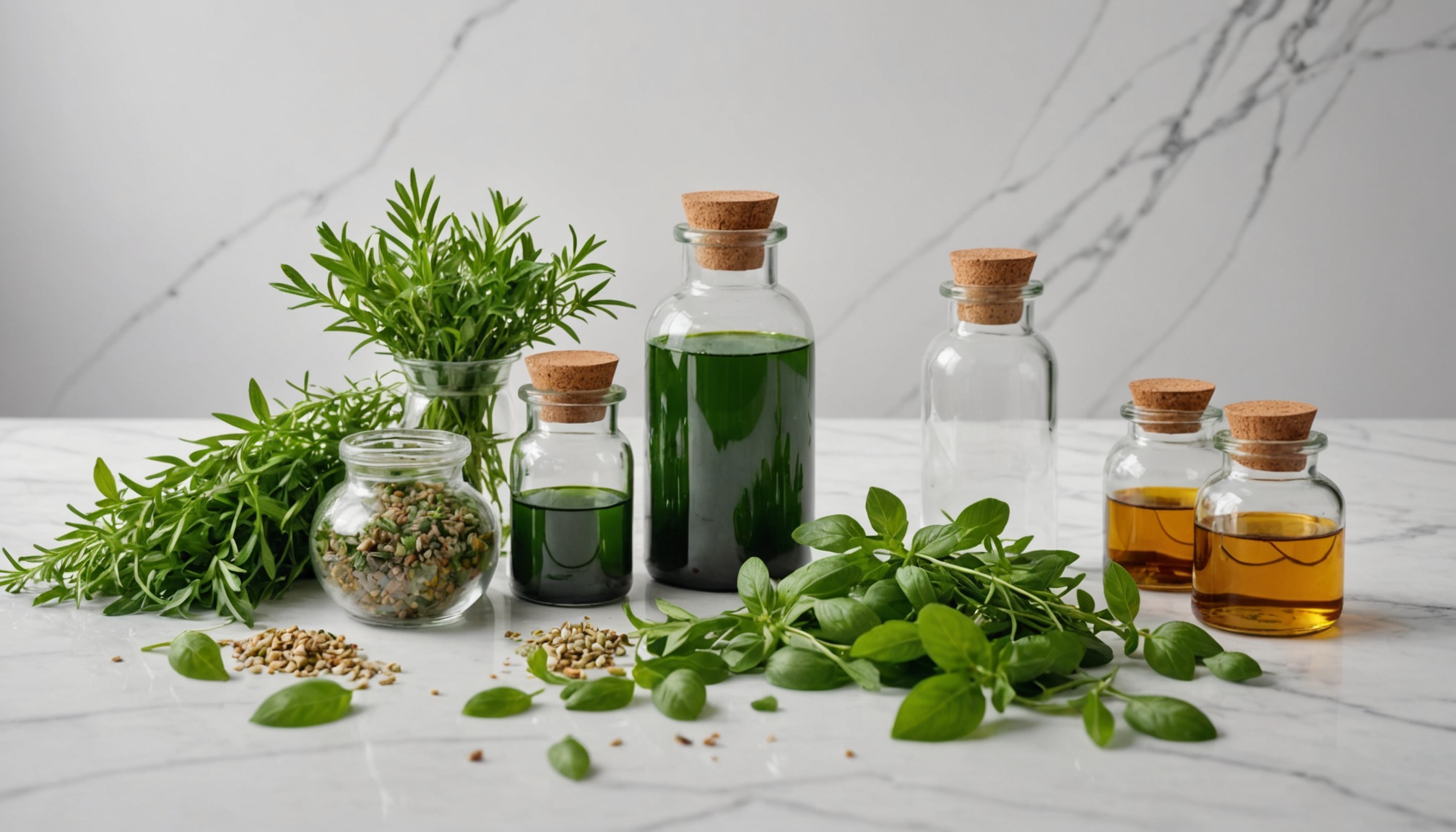
Herbal remedies for cold and flu have become increasingly popular as people seek natural alternatives to conventional medications. Many individuals are turning to time-tested plant-based solutions that have been used for centuries across different cultures. Unlike pharmaceutical interventions that often come with side effects, these botanical preparations work with your body’s natural defenses to combat viral infections and reduce uncomfortable symptoms.
The shift toward herbal remedies reflects a broader understanding that prevention and natural support can be just as important as treating symptoms after illness strikes. In 2026, more research is validating what traditional practitioners have known for generations—certain herbs possess powerful antiviral and immune-boosting properties. This guide explores the most effective herbal remedies for cold and flu, how they work, and how to use them safely and effectively.
Understanding How Herbal Remedies Work Against Cold and Flu
The Science Behind Plant-Based Immune Support
When you catch a cold or flu, your immune system springs into action to fight the viral invader. Herbal remedies for cold and flu support this process by providing compounds that enhance immune function. These plants contain phytonutrients, polysaccharides, and volatile oils that stimulate white blood cell production and improve overall immune response. Rather than suppressing symptoms like some medications do, herbs work to strengthen your body’s natural ability to overcome infection.
Research published in recent years demonstrates that many traditional herbal remedies contain bioactive compounds with demonstrated antiviral properties. These compounds can interfere with viral replication, reduce inflammation in the respiratory tract, and support mucous membrane health. When integrated into a comprehensive wellness approach, herbal remedies for cold and flu can significantly reduce both the duration and severity of illness.
Traditional vs. Modern Applications
Traditional medicine systems like Ayurveda, Traditional Chinese Medicine, and European herbalism have utilized specific plants for respiratory infections for thousands of years. Modern practitioners now combine this ancestral knowledge with contemporary scientific validation. The advantage of this integrated approach is that you benefit from both the proven track record of traditional use and the reproducibility standards of modern research.
Contemporary herbalists approach herbal remedies for cold and flu with a more sophisticated understanding of dosing, preparation methods, and potential interactions. This evolution means today’s herbal remedies are more standardized and reliable than ever before, while maintaining the holistic principles that make them so effective. Many clinical trials conducted in 2024-2026 have reinforced what practitioners discovered centuries ago.
Top Herbal Remedies for Immediate Symptom Relief
Ginger: The Warming Anti-Inflammatory
Ginger stands as one of the most researched and effective herbal remedies for cold and flu symptoms. This rhizome contains gingerols and shogaols, compounds that reduce inflammation in the throat and respiratory passages while promoting circulation. Fresh ginger tea provides immediate warming effects that soothe throat irritation and help loosen congestion. The spicy bite of ginger also stimulates saliva and digestive juices, supporting overall wellness during illness.
To prepare ginger for cold and flu relief, slice fresh ginger root into thin pieces and steep in hot water for 10-15 minutes. Adding honey and lemon amplifies both the therapeutic and palatability effects. You can consume this remedy multiple times daily without concern for adverse effects. Ginger’s dual action—reducing inflammation while supporting circulation—makes it an excellent choice for both acute symptoms and recovery support.
Elderberry: The Viral Suppressant
Elderberry has emerged as perhaps the most scientifically validated herbal remedy for cold and flu prevention and treatment. The dark purple berries contain anthocyanins and other polyphenols that directly inhibit viral replication. Studies show that elderberry extract can reduce both the incidence and severity of cold and flu infections when taken preventatively. During active illness, elderberry supplementation may shorten symptom duration by several days.
Elderberry products come in multiple forms—syrups, lozenges, teas, and capsules. The syrup form allows for flexible dosing and is particularly popular for families with children. When selecting herbal remedies for cold and flu that include elderberry, look for standardized extracts that specify the anthocyanin content. Regular consumption during cold and flu season provides preventative benefits, while higher doses during acute illness offer rapid relief.
Thyme: The Expectorant Herb
Thyme has been used as a cough remedy since medieval times, and modern research confirms its effectiveness. This aromatic herb contains thymol, an antimicrobial compound that helps clear mucus from the respiratory tract. Herbal remedies for cold and flu incorporating thyme are particularly helpful for productive coughs where congestion is the primary complaint. The herb’s expectorant properties help your body naturally clear phlegm rather than suppressing the cough reflex.
Thyme works best when steeped as a tea or incorporated into honey preparations. A simple thyme and honey cough syrup can be prepared at home by infusing fresh thyme in warm honey for several hours. This remedy is safe for both adults and children, making it a household staple for respiratory illness. The pleasant herbal flavor makes it more palatable than many conventional cough remedies, especially for reluctant patients.
Building Long-Term Immunity with Herbal Support
Echinacea: The Immune System Amplifier
Echinacea has generated more clinical research than perhaps any other herbal remedy for cold and flu. This North American plant stimulates the activity of white blood cells and supports the body’s natural antiviral defenses. Taking echinacea at the first sign of cold symptoms can reduce illness duration and prevent progression to more serious infections. The herb appears to work best when started within 24-48 hours of symptom onset.
Several species of echinacea exist, with Echinacea purpurea and Echinacea angustifolia being the most commonly used. Research indicates that standardized extracts providing 2.4 grams of herb daily offer optimal benefits. Herbal remedies for cold and flu featuring echinacea work particularly well when combined with other immune-supporting herbs. However, individuals with autoimmune conditions should consult healthcare providers before regular echinacea use, as the herb’s immune-stimulating properties may not be appropriate for everyone.
Astragalus: The Deep Immune Strengthener
Astragalus represents a different category of immune support compared to acute-response herbs. This traditional Chinese medicine staple works gradually to strengthen the immune system’s overall capacity. Rather than fighting active infection, astragalus helps prevent infections from taking hold in the first place. Regular consumption during cold and flu season creates a more robust defense against viral exposure.
Astragalus works through polysaccharide compounds that enhance T-cell and natural killer cell function. This makes it an excellent preventative herb to take starting in autumn and continuing through spring. Unlike echinacea, astragalus can be used long-term without losing effectiveness. Many practitioners recommend rotating herbal remedies for cold and flu prevention—using astragalus during the season of risk, then incorporating other immune herbs as needed during acute illness.
Practical Preparation Methods for Maximum Efficacy
Brewing Herbal Teas and Infusions
The method you use to prepare herbal remedies for cold and flu significantly impacts their effectiveness. Herbal teas represent the simplest and most accessible preparation method. For delicate leaves and flowers, steeping in hot (not boiling) water for 5-10 minutes preserves volatile oils and heat-sensitive compounds. For woody materials like ginger root, bark, and stems, decoction (gentle simmering for 15-20 minutes) extracts more of the therapeutic constituents.
Infusions differ from regular teas by steeping longer—typically 15 minutes to several hours. This extended contact time with hot water extracts more polysaccharides and other beneficial compounds. For maximum benefit from herbal remedies for cold and flu, prepare infusions in a covered pot to prevent volatile oils from escaping with steam. Store prepared infusions in the refrigerator for up to 48 hours and reheat before consumption.
- Use filtered or spring water for infusions to avoid chlorine interference
- Maintain water temperature between 160-180°F for optimal extraction
- Add honey or lemon after cooling to preserve their properties
- Consume remedies when warm for maximum throat-soothing benefits
- Prepare fresh batches daily for acute illness situations
Creating Herbal Syrups and Tinctures
Syrups and tinctures concentrate herbal remedies for cold and flu into forms that are easier to administer and store. Syrups combine herbal extracts with honey or sugar, creating a pleasant-tasting remedy suitable for all ages. Tinctures use alcohol extraction to capture a broad spectrum of plant compounds, resulting in more potent and shelf-stable preparations. While tinctures require more careful measurement, they can be diluted in water to create instant herbal remedies for cold and flu without additional preparation time.
Creating syrups at home is straightforward: prepare a strong herbal infusion, strain thoroughly, and combine with raw honey in a 1:1 ratio by volume. Raw honey adds antimicrobial properties and extends shelf life naturally. These homemade herbal remedies for cold and flu can be stored at room temperature for several months. For tinctures, dried herbs are covered with alcohol and steeped for 2-4 weeks before straining, resulting in a concentrated extract that requires only a small daily dose.
Combining Herbs for Synergistic Results
Traditional Herbal Formulas That Work Together
The most effective herbal remedies for cold and flu often combine multiple herbs with complementary actions. Traditional formulas have been refined over centuries through empirical observation of what works best together. A classic formula might combine ginger for inflammation, thyme for cough, and elderberry for antiviral support. When herbs work synergistically, the total effect exceeds what each individual herb can accomplish alone.
Chinese herbal medicine provides numerous proven formulas specifically designed for respiratory infections at different stages. Formulas taken at the onset of illness differ from those used for lingering recovery symptoms. Western herbalism similarly groups plants by their specific actions—some warming and stimulating, others cooling and calming. The best herbal remedies for cold and flu match the specific presentation of symptoms rather than applying one-size-fits-all solutions.
- Warming phase remedies: ginger, garlic, onion, horseradish
- Immune activation herbs: echinacea, goldenseal, astragalus
- Mucus-clearing plants: thyme, elecampane, sage, oregano
- Throat-soothing herbs: slippery elm, marshmallow, licorice
- Recovery support: nettle, oat straw, goji berries
Adapting Formulas to Your Specific Symptoms
Not all cold and flu infections present identically. Some people experience primarily congestion and cough, while others battle sore throat and fatigue. Effective herbal remedies for cold and flu should be tailored to your specific symptom pattern. A person with severe cough needs different herbal support than someone experiencing mainly body aches and fever. Understanding your dominant symptoms allows you to select herbs that address your particular needs.
Practitioners of herbal medicine assess whether symptoms present as “hot” or “cold” according to traditional frameworks. A “hot” presentation—characterized by high fever, sore throat, and thirst—calls for cooling, antimicrobial herbs. A “cold” presentation with chills, pale appearance, and watery discharge requires warming, stimulating herbs. Modern herbal practitioners often combine this traditional assessment with contemporary understanding of immune function to create highly targeted herbal remedies for cold and flu.
Prevention Strategies Using Year-Round Herbal Support
Seasonal Immune Preparation Beginning in Fall
The most effective approach to herbal remedies for cold and flu involves prevention rather than waiting for illness to strike. Starting in September or October, practitioners recommend beginning a preventative herbal regimen that prepares your immune system for the season ahead. This gradual approach builds deeper immunity than scrambling to treat symptoms once infection occurs. Your body’s defenses strengthen gradually as you nourish them with appropriate herbs throughout the high-risk season.
A prevention protocol typically starts with gentle, nourishing herbs like nettle leaf and oat straw that build overall vitality. As the cold and flu season approaches, immune-activating herbs like astragalus are introduced. This layered approach means your immune system enters peak season already primed and ready. For additional support, related articles on health, herbs, diseases, nutrition & diet comparison 2026 provide comprehensive guidance on integrating herbal support with overall wellness strategies.
Lifestyle Factors That Amplify Herbal Benefits
Herbal remedies for cold and flu work most effectively within the context of supportive lifestyle choices. Sleep deprivation, chronic stress, and poor nutrition all suppress immune function regardless of which herbs you consume. Conversely, adequate sleep, stress management, and proper nutrition create an internal environment where herbal remedies can work optimally. This integrated approach recognizes that natural healing requires attention to multiple factors simultaneously.
Specific nutritional support enhances the effectiveness of herbal remedies for cold and flu. Vitamin C from food sources, zinc-rich foods, and adequate protein all support immune function. Many people find that combining herbal remedies with specific dietary choices—like bone broth, garlic, and warming spices—produces noticeably better results than herbs alone. The synergy between proper nutrition, herbal support, and healthy lifestyle practices creates powerful resilience against seasonal infections.
- Maintain 7-9 hours of quality sleep nightly during cold and flu season
- Practice stress-reduction techniques like meditation or gentle yoga
- Consume immune-supporting foods: citrus, berries, garlic, mushrooms
- Stay well-hydrated with warm herbal teas throughout the day
- Minimize sugar and processed foods that suppress immune function
- Exercise moderately—excessive intense exercise can temporarily weaken immunity
Comparing Herbal Remedies: Effectiveness and Best Uses
Understanding the Research Behind Different Herbs
Not all herbal remedies for cold and flu have equal scientific support. While traditional use spans centuries for many plants, the level of clinical research varies considerably. Elderberry, ginger, echinacea, and astragalus have all been subjects of multiple randomized controlled trials. These studies generally confirm traditional uses while revealing optimal dosing and timing. Lesser-studied herbs may still be effective, but the evidence base is thinner and individual variability may be greater.
Reading research with a discerning eye helps distinguish between truly effective herbal remedies for cold and flu and those based primarily on tradition. Quality studies examine not just whether an herb helps, but under what conditions, at what doses, and for which populations. Some studies show herbs work best for prevention, others for acute treatment. Understanding these nuances allows you to select herbs backed by evidence that matches your specific situation and needs.
| Herb | Primary Use | Best Timing | Evidence Level | Typical Dose |
|---|---|---|---|---|
| Elderberry | Antiviral, symptom reduction | Within 48 hours of symptoms | Strong | 500-1500mg daily |
| Ginger | Anti-inflammatory, warming | Any stage of illness | Strong | 1-2g dried or fresh equivalent |
| Echinacea | Immune stimulation | First sign of symptoms | Strong | 2-4g daily in divided doses |
| Astragalus | Preventative immune support | September through April | Moderate | 1-2g daily long-term |
| Thyme | Expectorant, cough relief | During active cough | Moderate | 1-2g as tea, 2-3 times daily |
| Licorice | Throat soothing, antiviral | During sore throat phase | Moderate | 1-2g daily, short-term |
Personal Response Variation and Individual Factors
While herbal remedies for cold and flu follow predictable patterns based on their chemical constituents, individual responses vary considerably. Genetic factors, current immune status, age, and overall health all influence how effectively specific herbs work for a particular person. An herb that dramatically shortens illness duration for one person may provide only modest benefit for another. This variability doesn’t indicate the herb isn’t working—it reflects the complexity of human immune function and individual biochemistry.
Discovering which herbal remedies for cold and flu work best for you involves some experimentation and attention to response patterns. Keeping notes about what you try, in what doses, and what results you observe builds personalized knowledge over seasons. Many people develop preferences for specific herbal formulas based on past positive experiences. Over time, you develop an intuitive sense for which herbs to reach for at the first sign of illness, based on your unique response patterns.
Safety Considerations and When to Seek Professional Help
Common Herb-Drug Interactions and Contraindications
While herbal remedies for cold and flu are generally safe, certain herbs do interact with medications or shouldn’t be used by specific populations. Echinacea may overstimulate the immune system in people with autoimmune conditions. Licorice can raise blood pressure and shouldn’t be used long-term without professional guidance. St. John’s Wort interferes with numerous medications including birth control. Understanding these interactions ensures herbal remedies work safely within your unique health situation.
Pregnant and nursing women should use particular caution with herbal remedies for cold and flu, as not all herbs are suitable during these sensitive periods. Ginger and licorice have specific dosing restrictions during pregnancy. Astragalus and nettle leaf are generally considered safe, while some immune-stimulating herbs require professional guidance. Children may require different dosing than adults. These considerations don’t mean avoiding herbal remedies, but rather using them thoughtfully with appropriate guidance.
- Inform your healthcare provider about herbal remedies you’re using
- Avoid self-treating serious conditions without professional evaluation
- Stop herbal remedies if unexpected side effects develop
- Use certified products from reputable suppliers for quality assurance
- Monitor for allergic reactions, especially with plants from the daisy family
- Consult practitioners before combining multiple herbal products
When Herbal Remedies Aren’t Enough
Herbal remedies for

