
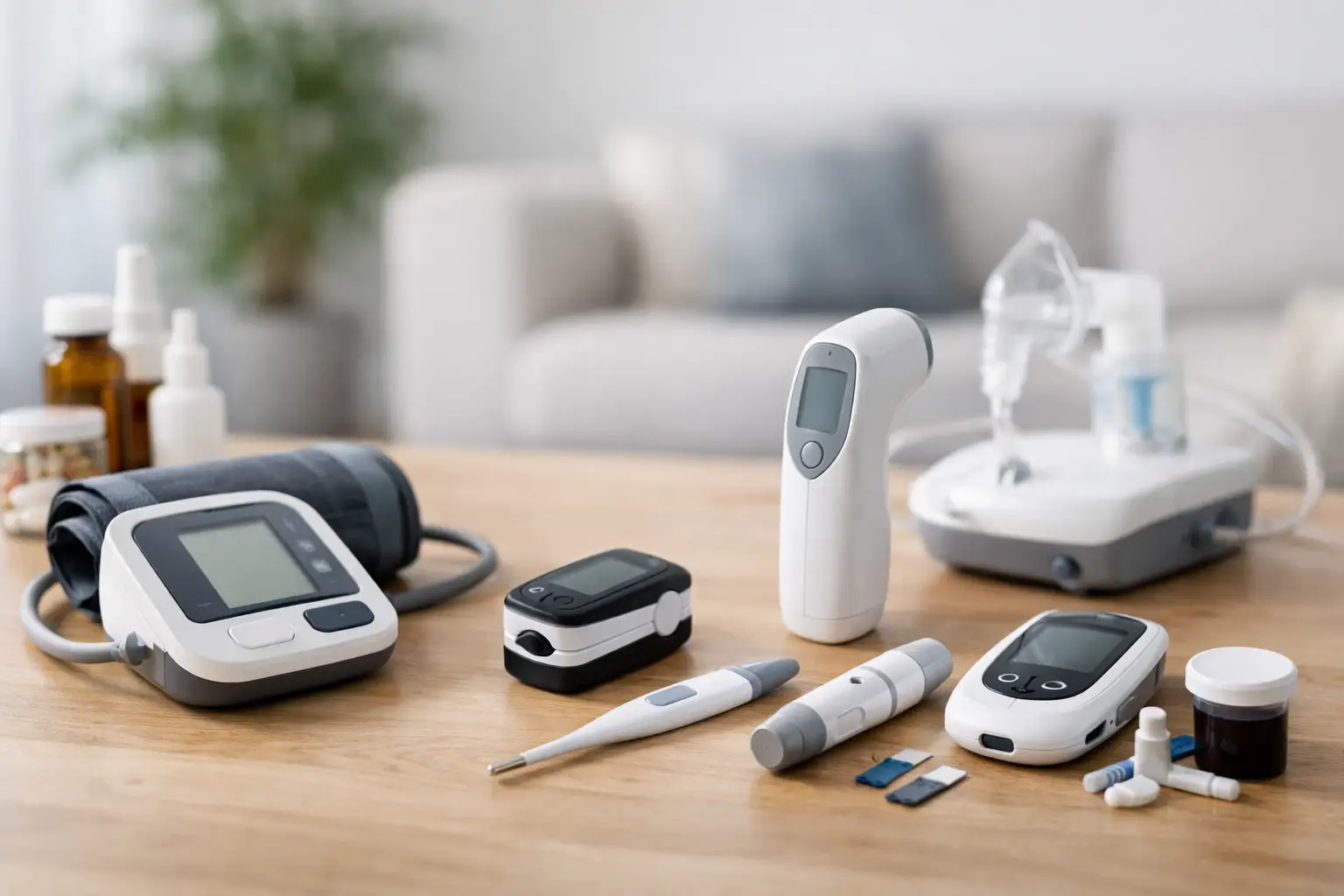
A lot of health problems do not start with a dramatic symptom. They start quietly – a blood pressure reading that keeps creeping up, blood sugar that runs high after meals, oxygen levels that dip during illness, or a fever that shows up before you feel truly sick. That is why the best home medical devices can be so helpful. They give you a clearer picture of what is happening in your body and make it easier to know when to rest, when to adjust habits, and when to call a doctor.
Not every device belongs in every home, though. Some are truly useful for day-to-day health management, while others sound impressive but mostly collect dust in a drawer. The smarter approach is to choose tools that match your age, health risks, family needs, and comfort level with tracking your health.
What makes a home medical device worth buying?
The best device is not always the most expensive one. It is the one you will actually use, understand, and trust. For most people, that means looking for a device with a clear display, simple instructions, and consistent readings. If a monitor is too confusing or feels unreliable, you are less likely to use it when it matters.
Accuracy matters, but so does context. A home device should help you notice patterns, not replace professional care. If you get a reading that seems unusual, the right next step is often to repeat the test, check whether you used the device correctly, and talk with your healthcare provider if the number stays concerning.
It also helps to think about who will use it. A caregiver helping an older parent may want large buttons and a bright screen. Someone managing diabetes may care more about speed and easy recordkeeping. A household with young kids may value a thermometer that works quickly without a struggle.
Best home medical devices for most households
Some tools have broad value, even if no one in your home has a major medical condition. Others become especially important if you are monitoring a chronic issue.
Automatic blood pressure monitor
A home blood pressure monitor is one of the most useful devices you can own, especially for adults over 40, people under stress, and anyone with heart disease risk factors. High blood pressure often has no obvious symptoms, which is why so many people do not realize it is a problem until it has been elevated for a long time.
An upper-arm monitor is usually a better choice than a wrist model because it tends to give more reliable readings. Look for the correct cuff size, since a poor fit can throw off the numbers. The best routine is to measure at the same time each day, while seated and relaxed, and keep a record of your readings instead of focusing on one isolated result.
Digital thermometer
A thermometer is basic, but it is still one of the most important health tools in the house. Fever can be the first sign of infection, and being able to measure it correctly matters for children, older adults, and anyone recovering from illness.
Digital oral thermometers are affordable and practical. Forehead and ear thermometers are convenient, especially for families, but they need to be used exactly as directed. If you want speed and simplicity, a forehead model can make sense. If you want a budget-friendly option with solid performance, a standard digital thermometer is often enough.
Pulse oximeter
Pulse oximeters became widely known during the pandemic, but they are still useful beyond that. These small clip-style devices measure oxygen saturation and pulse rate. They can be especially helpful for people with asthma, COPD, pneumonia recovery, or other breathing concerns.
That said, they are not perfect. Cold hands, poor circulation, nail polish, and movement can affect readings. A pulse oximeter is best used as a trend-checking tool, not as the only sign of how serious a breathing problem may be. If someone is short of breath, confused, or struggling to speak, symptoms matter just as much as the number on the screen.
Blood glucose meter
For people with diabetes or prediabetes, a blood glucose meter can make daily decisions easier. It shows how meals, exercise, stress, sleep, and medication affect blood sugar. That kind of feedback can be eye-opening, especially when a food that seems healthy causes a larger spike than expected.
Some people may also use continuous glucose monitoring with a doctor’s guidance, but a traditional finger-stick meter remains a practical option for many households. Cost matters here because test strips add up over time. A cheaper meter is not always the cheaper choice if the strips are expensive.
Weight scale
A simple digital scale can support weight management, heart health, and chronic disease monitoring. For people with heart failure, sudden weight gain may signal fluid retention. For others, regular weighing can help track progress in a realistic way instead of relying on guesswork.
Fancy body composition features can be interesting, but they are not always very accurate at home. For most people, consistency matters more than extra data. Weigh yourself under similar conditions each time and look for long-term patterns, not daily swings.
Smart pill dispenser or medication reminder device
Missing medication is more common than many people think. This is especially true for older adults, caregivers managing several prescriptions, or anyone taking medicine at different times of day. A pill organizer may be enough for some households, but a reminder device or smart dispenser can reduce confusion and help prevent missed or doubled doses.
This kind of device is less flashy than a monitor, but for the right person it can have a big impact. If medication timing is part of staying stable and avoiding complications, reminders are not a luxury.
Best home medical devices for chronic condition support
If someone in your home lives with a long-term health issue, a few devices can play a much bigger role in everyday care.
Nebulizer
For people with asthma or certain lung conditions, a nebulizer can be an important backup or regular treatment tool. It turns liquid medicine into a mist that can be inhaled slowly through a mask or mouthpiece. This can be easier than using an inhaler during flare-ups, especially for children or older adults.
The trade-off is that nebulizers are less portable and take more time to use. They also need proper cleaning to avoid contamination. If your doctor has recommended one, home convenience should not be the only factor – ease of cleaning and noise level matter too.
Peak flow meter
This low-cost device is often overlooked, but it can be very useful for people with asthma. A peak flow meter measures how forcefully you can blow air out of your lungs. That may help you spot worsening airway narrowing before symptoms become severe.
It works best when you know your personal baseline and use it regularly. On its own, it will not diagnose anything. But as part of an asthma action plan, it can give early warning that your breathing is changing.
ECG or heart rhythm monitor
Portable heart rhythm devices are more available than ever. Some can detect possible irregular rhythms, including patterns that may suggest atrial fibrillation. These tools can be helpful for people who have palpitations, a history of arrhythmia, or a doctor who wants symptom tracking between visits.
This category needs extra caution. A consumer device can flag an issue, but it can also cause unnecessary worry if users misread normal changes as dangerous. It makes sense if you have a heart-related reason to monitor rhythm. It is less useful if you are buying it only because it sounds advanced.
How to choose the best home medical devices for your needs
Start with your real life, not with marketing claims. Ask yourself what you actually need to monitor at home. A healthy adult may only need a blood pressure monitor, thermometer, and scale. A family with young children may add a forehead thermometer and nebulizer. Someone caring for an older parent may need medication reminders, a pulse oximeter, and blood pressure tracking.
It is also smart to think about ease of use. Can you read the screen without glasses? Is the cuff size right? Does the device store past readings? Will you need to buy strips, batteries, masks, or other supplies on a regular basis? Hidden upkeep costs can matter just as much as the purchase price.
If possible, compare your home readings with your doctor’s office reading at least once. That can help confirm whether the device is working well and whether you are using it correctly. Even the best home medical devices are only helpful when the numbers are reasonably dependable.
A few mistakes people make when buying medical devices
One common mistake is buying too many devices at once. That often leads to confusion and wasted money. Another is assuming more features automatically mean better care. In reality, extra features only help if they make the device easier to use or provide information your doctor actually wants.
People also tend to underestimate setup and maintenance. A blood glucose meter without enough test strips, a nebulizer that is never cleaned properly, or a blood pressure monitor with the wrong cuff size will not do much good. Simple, accurate, and easy to stick with is usually the better choice.
If you use natural wellness strategies, this is where balance matters. Home devices can work well alongside healthy food choices, stress reduction, movement, sleep support, and herbal routines that your healthcare provider says are safe for you. Tracking your numbers at home may even help you see whether those lifestyle changes are making a difference.
The best tool is the one that helps you notice problems earlier, manage a condition with less guesswork, or care for someone you love with more confidence. If a device can do that clearly and consistently, it has earned a place in your home.

