
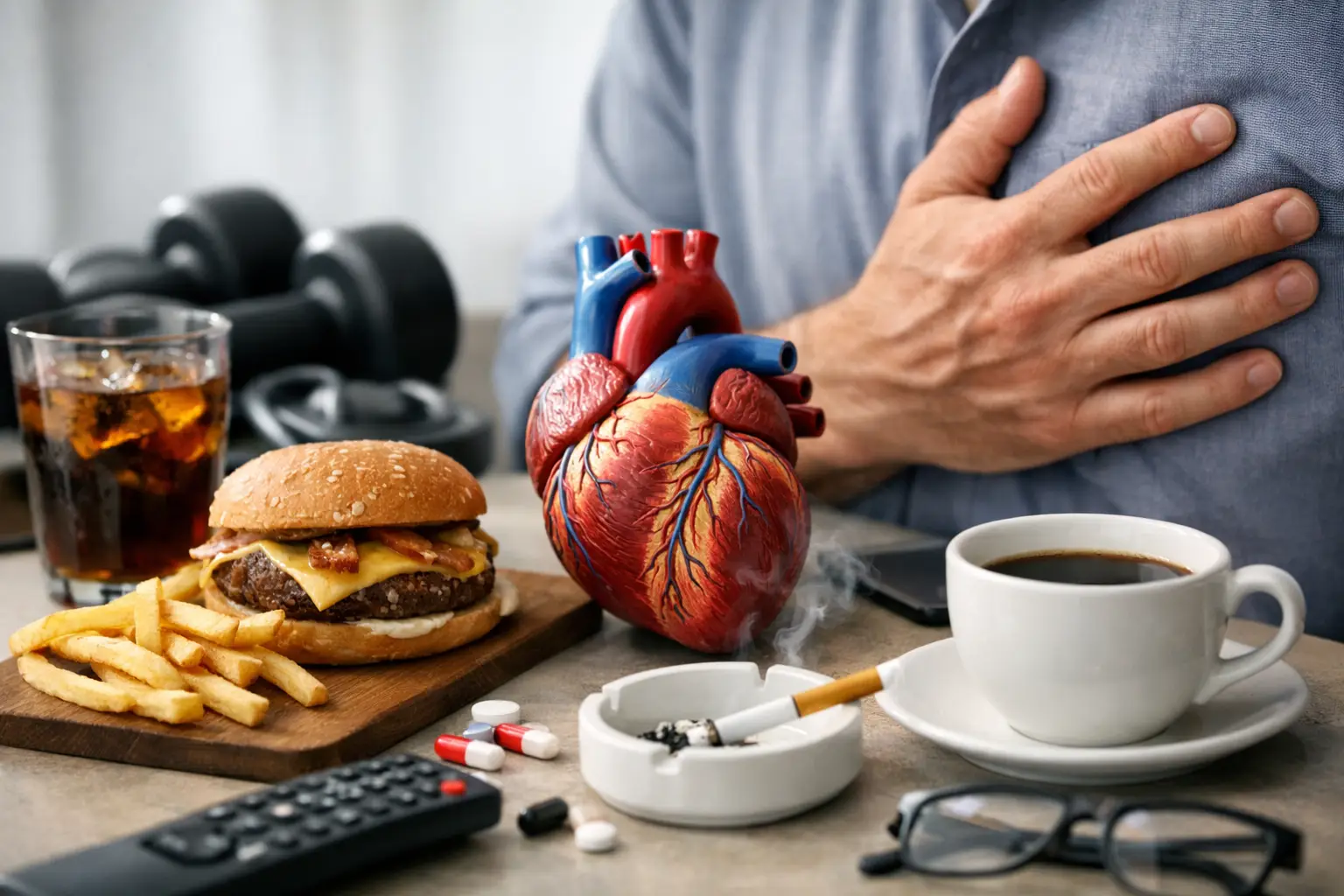
Heart disease does not usually start with one dramatic moment. More often, it builds quietly through small routines that seem harmless until they become part of daily life. That is why understanding Everyday Habits That Damage Your Heart matters so much. The little things you do every day – how you eat, sleep, move, and manage stress – can either protect your heart or slowly wear it down.
The good news is that many heart risks are not fixed. They are shaped by behavior, and behavior can change. You do not need a perfect diet, a punishing workout plan, or an expensive wellness routine to support your heart. You do need to know which common habits may be working against you.
Why small daily choices matter for heart health
Your heart responds to patterns. Blood pressure, blood sugar, inflammation, cholesterol levels, and body weight are all influenced by repeated habits over time. A fast-food lunch once in a while is different from relying on highly processed meals every day. A stressful week is not the same as living in constant tension for years.
This is what makes heart health both challenging and encouraging. Damage can happen slowly, but so can healing. When you improve ordinary routines, you give your heart a better environment to function well.
Everyday habits that damage your heart
1. Sitting for most of the day
Even if you exercise a few times a week, spending the rest of the day sitting can still hurt your heart. Long periods of inactivity are linked to poorer circulation, higher blood pressure, weight gain, and problems with blood sugar control.
Many adults sit for work, sit during their commute, and sit again at night. That adds up fast. Your body is built to move regularly, not just in one short burst at the gym. Getting up every hour, taking short walks, stretching, and doing more daily movement can make a real difference.
2. Eating too many ultra-processed foods
Packaged snacks, sugary cereals, frozen fast meals, processed meats, and sweetened drinks often contain too much sodium, added sugar, unhealthy fats, and refined carbohydrates. Over time, this eating pattern can raise blood pressure, worsen cholesterol, and increase inflammation.
Not every packaged food is a problem, and convenience matters in real life. But if most of your meals come from boxes, wrappers, or drive-thrus, your heart may be paying the price. A heart-friendlier pattern usually includes more fruits, vegetables, beans, oats, nuts, seeds, fish, and minimally processed foods.
3. Sleeping too little or too poorly
Sleep is not just about energy. It affects blood pressure, hormone balance, appetite, and the body’s ability to recover from stress. Regularly getting too little sleep, or sleeping badly, can increase the risk of heart disease.
For many people, poor sleep becomes normal. Late-night scrolling, inconsistent bedtimes, alcohol before bed, and untreated sleep apnea all interfere with rest. If you wake up tired most mornings or snore heavily, it may be worth taking seriously. Better sleep habits are not a luxury. They are part of heart care.
4. Living on chronic stress
Stress itself is not always harmful. Short-term stress can help you react and solve problems. The issue is chronic stress that never really shuts off. When your body stays in a constant fight-or-flight state, stress hormones can contribute to high blood pressure, inflammation, and unhealthy coping habits.
Some people respond to stress by overeating, drinking more alcohol, smoking, skipping exercise, or sleeping badly. That is one reason stress can become a heart problem from several directions at once. Daily stress support does not have to be complicated. Walking, prayer, breathing exercises, journaling, talking to someone you trust, and time away from screens can all help lower the load.
5. Using tobacco or vaping regularly
Smoking remains one of the clearest heart risks. It damages blood vessels, lowers oxygen in the blood, raises blood pressure, and increases the risk of blood clots. Even light smoking is harmful. There is no truly safe level.
Vaping is often seen as a cleaner alternative, but that does not mean it is harmless for the heart. Nicotine can raise heart rate and blood pressure, and researchers are still learning more about the long-term cardiovascular effects of vaping products. If quitting feels hard, that is normal. But it is one of the most powerful steps a person can take for heart health.
6. Drinking more alcohol than you think
A lot of people underestimate how much they drink. Large pours at home, frequent happy hours, and weekend binge drinking can all strain the heart. Too much alcohol is linked to high blood pressure, irregular heartbeat, weight gain, and higher triglycerides.
This does not mean every person must avoid alcohol completely. But more is not better, and the old idea that drinking is automatically good for the heart is too simplistic. For some people, especially those with high blood pressure, sleep issues, or a family history of heart problems, cutting back may be a smart move.
7. Ignoring high blood pressure and high cholesterol
This habit is less about what you do and more about what you avoid. Many people feel fine and assume everything is okay, while blood pressure and cholesterol quietly rise in the background. That is why these conditions are often called silent risks.
Skipping checkups, avoiding lab work, or brushing off abnormal results can allow damage to build over time. Lifestyle changes help, but some people also need medication. There is no failure in that. Knowing your numbers gives you the chance to act before a heart attack or stroke forces the issue.
The hidden heart damage from everyday routines
8. Too much salt without realizing it
You may not use much table salt and still get too much sodium. The main sources are often restaurant meals, canned soups, deli meats, sauces, frozen dinners, chips, and bread products. High sodium intake can increase blood pressure, especially in people who are salt-sensitive.
The tricky part is that high-sodium foods do not always taste salty. Reading labels helps, but so does cooking more often at home, where you control what goes in your food. Herbs and spices can add flavor without pushing sodium higher, which fits well with a natural wellness approach.
9. Letting loneliness and isolation build up
Heart health is not only physical. Social isolation and loneliness are linked with worse heart outcomes, partly because they increase stress and depression and may make healthy habits harder to maintain. People who feel disconnected may move less, eat worse, sleep poorly, or delay medical care.
This does not mean you need a huge social circle. Meaningful connection matters more than numbers. One close friend, regular family contact, a support group, faith community, or even a weekly class can help protect mental and physical health.
10. Brushing off early warning signs
Many people are quick to explain away fatigue, shortness of breath, chest discomfort, swelling in the legs, or reduced exercise tolerance. Sometimes the explanation is harmless. Sometimes it is not. Women in particular may have subtler heart symptoms than the classic crushing chest pain people expect.
Listening to your body is a heart habit too. If something feels off and does not improve, getting checked is better than guessing. Prevention is easier than recovery.
Simple ways to start protecting your heart today
If this list feels familiar, take that as a reason to start, not a reason to panic. You do not need to fix everything at once. In fact, trying to overhaul your whole life in a weekend usually does not last.
Pick one habit with the biggest payoff. That might mean walking 20 minutes a day, replacing soda with water most days, setting a regular bedtime, or finally checking your blood pressure. Once one change feels normal, build on it. Small wins repeated consistently can shift your heart health more than occasional bursts of motivation.
It can also help to think beyond restriction. Heart support is not just about cutting things out. It is about adding what your body needs: more movement, more fiber, more sleep, more calm, and more real food. For some people, natural supports like cooking with garlic, using more turmeric, or drinking unsweetened hibiscus tea may fit into a broader healthy lifestyle, but they work best alongside the basics, not in place of them.
Your heart is working for you every minute of the day. Treating it well does not require perfection. It starts with noticing which routines are helping, which ones are hurting, and making the next choice a little better than the last.

