
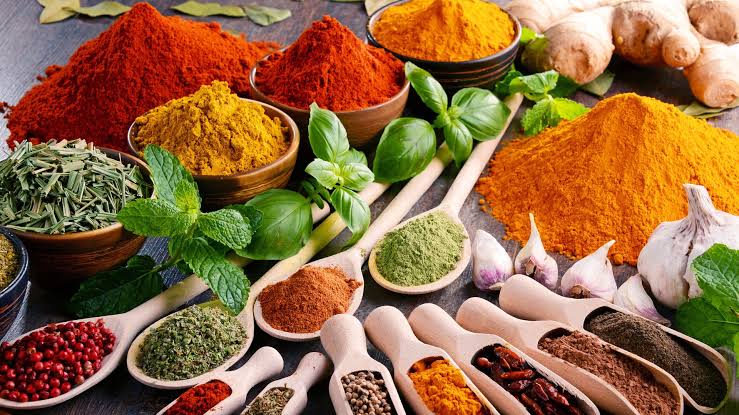
Anti-inflammatory herbs and spices have become increasingly popular in 2026 as people seek natural alternatives to conventional treatments for inflammation-related conditions. These botanical powerhouses contain bioactive compounds that work synergistically to reduce inflammatory markers, ease pain, and support long-term health. Whether you’re dealing with arthritis, digestive issues, or general inflammation, nature offers a remarkable pharmacy of healing options right in your kitchen.
Understanding Inflammation and Natural Solutions in 2026
What Causes Chronic Inflammation
Chronic inflammation has become a major health concern in modern society, affecting millions of people globally in 2026. Unlike acute inflammation, which is a natural healing response to injury, chronic inflammation persists and can contribute to numerous diseases including heart disease, diabetes, autoimmune conditions, and cancer. Environmental factors such as pollution, processed foods, sedentary lifestyles, and chronic stress continuously trigger inflammatory responses in our bodies. Understanding the root causes of inflammation is essential before exploring the benefits of anti-inflammatory herbs and spices.
The typical Western diet, high in refined carbohydrates and seed oils, actively promotes inflammation throughout the body. Added sugars, trans fats, and artificial additives overwhelm our immune system, creating a state of perpetual low-grade inflammation. This is why incorporating anti-inflammatory herbs and spices into your daily diet represents a fundamental shift toward better health. The compounds found in these plant-based remedies help interrupt inflammatory signaling pathways, reduce cytokine production, and support the body’s natural healing mechanisms.
How Herbal Anti-Inflammatory Compounds Work
Medicinal plants contain hundreds of phytochemicals that interact with our bodies in sophisticated ways. The anti-inflammatory herbs and spices work primarily through several mechanisms: inhibiting NF-kappa B pathways, reducing prostaglandin production, suppressing cytokine release, and enhancing antioxidant defense systems. When you consume these herbs regularly, you’re essentially providing your body with natural pharmaceutical compounds that have been refined by millions of years of plant evolution.
Modern scientific research in 2026 has validated what traditional medicine systems have known for thousands of years. Curcumin from turmeric, gingerols from ginger, and capsaicin from cayenne pepper all show measurable anti-inflammatory effects in peer-reviewed studies. The synergistic effect of using multiple anti-inflammatory herbs and spices together often produces superior results compared to using any single herb alone, a principle known as botanical synergy.
Top Anti-Inflammatory Herbs and Spices in 2026
Turmeric and Curcumin
Turmeric stands as the gold standard among anti-inflammatory herbs and spices, with thousands of research studies confirming its potency. The active compound curcumin represents approximately 3-5% of turmeric’s weight, and it works by blocking NF-kappa B, a protein that activates inflammation throughout the body. In 2026, turmeric supplements and preparations have become increasingly sophisticated, with bioavailability-enhanced formulations that increase curcumin absorption by up to 2000% compared to standard turmeric powder. This spice demonstrates particular effectiveness for joint pain, digestive inflammation, and brain health.
The beauty of turmeric lies in its safety profile and accessibility. You can add this golden spice to curries, soups, smoothies, and even milk-based beverages. For maximum benefits, pair turmeric with black pepper (containing piperine) and healthy fats, which dramatically enhance curcumin absorption. Many 2026 wellness practitioners recommend consuming 500-1000mg of curcumin daily, though whole food turmeric can also provide meaningful benefits. When selecting anti-inflammatory herbs and spices, turmeric should be among your first choices due to its extensive research backing and versatility.
Ginger Root
Fresh ginger root contains gingerols and shogaols, compounds with remarkably similar structures to pharmaceutical anti-inflammatory medications. These anti-inflammatory herbs and spices work specifically well for digestive inflammation, nausea, and joint pain. Research published in 2025-2026 suggests that ginger may be as effective as ibuprofen for certain types of pain, but without the associated gastrointestinal side effects. Ginger’s warming properties also enhance circulation, supporting the body’s natural healing processes.
The versatility of ginger makes it easy to incorporate into your daily routine. Fresh ginger tea, ginger supplements, candied ginger, and ginger powder all offer anti-inflammatory benefits. For maximum potency, fresh ginger slightly outperforms dried forms, though dried ginger concentrates certain beneficial compounds during the drying process. Using anti-inflammatory herbs and spices like ginger in combination with turmeric creates a powerfully synergistic remedy for inflammation management. Many people notice relief from joint stiffness and inflammatory pain within days of consistent ginger consumption.
Kitchen Staple Anti-Inflammatory Herbs and Spices
Cinnamon and Its Metabolic Benefits
Cinnamon ranks among the most accessible anti-inflammatory herbs and spices, present in most kitchens worldwide. This warming spice contains polyphenols that reduce inflammatory markers and improve blood sugar control. Type 2 diabetes, which affects over 400 million people globally in 2026, shows significant improvement when cinnamon is consumed regularly. The spice works by enhancing insulin sensitivity and reducing fasting blood glucose levels. Ceylon cinnamon (also called “true cinnamon”) offers superior benefits compared to cassia cinnamon, though both provide anti-inflammatory properties.
Incorporating cinnamon into your diet requires no special preparation. Sprinkle it on oatmeal, add it to coffee, blend it into smoothies, or use it in savory dishes like stews and roasted vegetables. Just 1-2 teaspoons daily of high-quality cinnamon can provide measurable anti-inflammatory effects. When selecting anti-inflammatory herbs and spices from the cinnamon family, look for Ceylon cinnamon sources and avoid products with added sugars. The low cost and universal availability of cinnamon make it an ideal first choice for anyone beginning an anti-inflammatory herbs regimen.
Cayenne Pepper and Capsaicin Power
Cayenne pepper contains capsaicin, the compound responsible for its characteristic heat and its remarkable anti-inflammatory properties. Capsaicin works through a unique mechanism: it depletes substance P, a neurotransmitter involved in pain signaling. This makes cayenne one of the most effective anti-inflammatory herbs and spices for pain management, particularly for neuropathic pain, arthritis, and fibromyalgia. The burning sensation you feel from capsaicin actually triggers endorphin release and activates pain-relieving pathways in your nervous system.
Starting with small amounts of cayenne pepper helps your body adjust to its potency. Mix cayenne into soups, scrambled eggs, roasted vegetables, or even chocolate preparations. Many 2026 wellness programs recommend beginning with 1/8 teaspoon daily and gradually increasing to tolerance. The anti-inflammatory herbs and spices like cayenne provide cumulative benefits, with users often reporting maximum pain relief after 4-8 weeks of consistent consumption. Capsaicin supplements offer concentrated benefits for those sensitive to spicy foods.
Healing Herbal Anti-Inflammatory Remedies Beyond the Spice Rack
Rosemary and Brain Health
Rosemary extends far beyond its culinary applications as one of the most researched anti-inflammatory herbs and spices for brain health. The herb contains carnosic acid and rosmarinic acid, powerful compounds that cross the blood-brain barrier and reduce neuroinflammation. Studies from 2024-2026 demonstrate that rosemary consumption correlates with improved memory, enhanced cognitive function, and reduced dementia risk. For anyone concerned about age-related cognitive decline, rosemary represents a natural, accessible solution.
The anti-inflammatory herbs and spices like rosemary can be consumed as fresh herb additions to meals, dried herb infusions, or concentrated extracts. Rosemary tea, drunk 2-3 times daily, provides consistent anti-inflammatory benefits while supporting mental clarity. The aromatic compounds in rosemary also provide mood support and stress reduction. When building your personal anti-inflammatory herbs and spices collection, rosemary deserves prominent placement due to its dual benefits for both physical inflammation and neurological health.
Oregano and Thyme
Oregano contains carvacrol and thymol, compounds with antimicrobial and anti-inflammatory properties rivaling those of pharmaceutical antibiotics. These anti-inflammatory herbs and spices work particularly well for respiratory inflammation, gastrointestinal disorders, and immune support. Thyme complements oregano beautifully, offering its own thymol content and additional benefits for cough suppression and bronchial health. Together, these herbs create a powerfully synergistic remedy for inflammation throughout the respiratory system.
Both oregano and thyme work beautifully in Mediterranean-style dishes, herbal teas, and tinctures. The anti-inflammatory herbs and spices retain most of their potency when dried, making them convenient for year-round use. Many people use oregano oil (a concentrated extract) for more intensive anti-inflammatory effects, typically taking 2-4 drops in warm water or carrier oil daily. These accessible kitchen herbs deserve recognition as legitimate therapeutic agents in your anti-inflammatory arsenal.
Creating Your 2026 Anti-Inflammatory Herbs and Spices Protocol
Building an Effective Daily Routine
Developing a consistent anti-inflammatory herbs and spices routine requires planning and commitment. Rather than taking random herbs sporadically, successful inflammation management relies on daily, consistent consumption of properly selected botanical remedies. A basic framework might include turmeric with breakfast, ginger in afternoon tea, cinnamon added to meals, and rosemary in evening dishes. This approach ensures you’re consuming multiple anti-inflammatory herbs and spices throughout each day, maximizing synergistic benefits.
Personalization remains crucial because each person’s inflammatory load, gut health, and sensitivity to specific herbs varies considerably. Start with milder anti-inflammatory herbs and spices and gradually introduce stronger ones as your body adapts. Track your symptoms—joint pain, digestive issues, energy levels, sleep quality—to identify which specific herbs provide the most noticeable benefits for your unique situation. Many practitioners recommend 8-12 weeks of consistent use before evaluating whether your chosen anti-inflammatory herbs and spices protocol is working effectively.
Supplementation vs. Whole Food Sources
While whole food sources of anti-inflammatory herbs and spices offer numerous benefits including fiber, minerals, and additional phytochemicals, therapeutic supplementation sometimes becomes necessary for concentrated effects. The decision between whole herbs and supplements depends on your health goals, current condition severity, and lifestyle factors. For mild inflammation, adding anti-inflammatory herbs and spices to your meals may suffice. For moderate to severe inflammation, concentrated supplements provide more reliable dosing and therapeutic effects.
Quality matters tremendously when selecting anti-inflammatory herb supplements. Choose brands that provide third-party testing, transparent sourcing information, and standardized active compound percentages. A supplement containing standardized curcumin extract, for example, guarantees specific potency levels that whole turmeric powder cannot match. The most effective approach often combines both: use whole anti-inflammatory herbs and spices in daily meals for baseline benefits while supplementing with standardized extracts for targeted therapeutic effects.
Detailed Comparison of Top Anti-Inflammatory Options
Research-Backed Effectiveness Metrics
Understanding the relative potency of various anti-inflammatory herbs and spices helps you prioritize your selections based on your specific health concerns. Different conditions respond optimally to different herbs, and matching the right remedy to your situation dramatically improves outcomes. The following comprehensive comparison examines the most extensively researched anti-inflammatory herbs and spices available in 2026:
| Herb/Spice | Primary Active Compound | Best For | Typical Daily Dose | Research Strength |
|---|---|---|---|---|
| Turmeric (Curcumin) | Curcumin | Joint pain, general inflammation | 500-1000mg | Excellent (5000+ studies) |
| Ginger | Gingerol, Shogaol | Digestive, nausea, pain | 1-2g fresh or 500mg extract | Very Good (2000+ studies) |
| Cinnamon | Polyphenols | Blood sugar, metabolic | 1-2 teaspoons daily | Good (500+ studies) |
| Cayenne | Capsaicin | Neuropathic pain, arthritis | 1/8-1/4 teaspoon daily | Very Good (1500+ studies) |
| Rosemary | Carnosic acid, Rosmarinic acid | Brain health, cognitive | 500-1000mg extract or 1-2 cups tea | Good (400+ studies) |
| Oregano/Thyme | Carvacrol, Thymol | Respiratory, digestive | 2-4 drops oil or 1-2 cups tea | Very Good (800+ studies) |
Selecting Anti-Inflammatory Herbs and Spices by Condition
Different types of inflammation respond optimally to different anti-inflammatory herbs and spices. Arthritis patients benefit most from curcumin, ginger, and cayenne, which target joint-specific inflammatory pathways. Digestive inflammation responds exceptionally well to ginger, turmeric, and licorice root. Cardiovascular inflammation improves with turmeric, garlic, and ginger. Respiratory conditions benefit from oregano, thyme, and ginger. Neurological inflammation responds to rosemary, turmeric, and ginkgo. This targeted approach to anti-inflammatory herbs and spices selection produces superior results compared to random herb consumption.
Your personalized anti-inflammatory herbs and spices protocol should address your specific health challenges while building foundational wellness. Someone with arthritis might prioritize curcumin and cayenne supplementation alongside daily turmeric consumption. Someone with cognitive concerns would emphasize rosemary, ginkgo, and turmeric. Someone managing digestive issues would focus on ginger, turmeric, and slippery elm. Understanding these distinctions allows you to create maximally effective anti-inflammatory herbs and spices regimens customized to your unique physiology and health goals.
Safety, Interactions, and Best Practices for 2026
Understanding Herb-Drug Interactions
While anti-inflammatory herbs and spices offer remarkable safety profiles compared to conventional medications, certain interactions warrant awareness. Curcumin can enhance the effects of blood-thinning medications, requiring physician oversight for anyone on warfarin or similar anticoagulants. Ginger provides mild blood-thinning effects and may interact with aspirin or other antiplatelet medications. Cinnamon can lower blood sugar, potentially interfering with diabetes medications. These interactions aren’t necessarily contraindications—they simply require informed awareness and professional guidance when using anti-inflammatory herbs and spices alongside pharmaceutical treatments.
Anyone taking prescription medications should discuss their anti-inflammatory herbs and spices plans with their healthcare provider before beginning supplementation. This collaborative approach ensures that your natural remedies complement rather than conflict with existing treatments. In many cases, as inflammation decreases and health improves through consistent use of anti-inflammatory herbs and spices, medication requirements may decrease, allowing physicians to adjust prescriptions accordingly. The integration of botanical medicine with conventional medicine represents the future of holistic 2026 healthcare.
Quality, Sourcing, and Storage Considerations
The therapeutic value of anti-inflammatory herbs and spices depends critically on quality and proper handling. Herbs grown in contaminated soil may contain heavy metals, pesticides, or microbial pathogens that negate their health benefits. Seek anti-inflammatory herbs and spices from reputable suppliers who provide certificates of analysis confirming the absence of contaminants and verifying active compound concentrations. Organic certification provides additional assurance, though it doesn’t guarantee superior quality—some non-certified herbs exceed certified competitors in potency and purity.
Proper storage maintains the potency of anti-inflammatory herbs and spices. Keep dried herbs in airtight containers away from direct sunlight, heat, and moisture. Fresh herbs should be refrigerated and used within 2-3 weeks for maximum benefit. Supplements should be stored in cool, dark places—not in bathrooms where temperature and humidity fluctuate dramatically. Establishing a rotation system ensures you use older anti-inflammatory herbs and spices before purchasing new supplies, maximizing freshness and efficacy. Proper storage practices preserve the valuable compounds that make these remedies effective.
Frequently Asked Questions About Anti-Inflammatory Herbs and Spices in 2026
How quickly do anti-inflammatory herbs and spices work?
The timeline for noticing benefits from anti-inflammatory herbs and spices varies considerably depending on your baseline inflammatory burden, the specific herbs used, dosage consistency, and individual metabolic factors. Some people experience pain relief from cayenne within hours, while others notice gradual improvement in joint flexibility over weeks. Curcumin typically requires 4-8 weeks of consistent consumption before delivering maximal benefits, as it accumulates in body tissues over time. For chronic inflammatory conditions, expect meaningful improvement within 2-3 months of consistent use of appropriate anti-inflammatory herbs and spices. Acute inflammation may respond within days or weeks.
Can I combine multiple anti-inflammatory herbs and spices safely?
Absolutely—in fact, combining multiple anti-inflammatory herbs and spices often produces superior results through synergistic interactions. Using turmeric with ginger, for example, provides more comprehensive inflammation reduction than either herb alone. The combination of turmeric, ginger, and cayenne creates a powerfully synergistic remedy. Traditional medicine systems have used herbal combinations for millennia, recognizing that botanical synergy frequently outperforms single-herb approaches. When combining anti-inflammatory herbs and spices, start with lower doses of each and gradually increase, monitoring your response. Most people tolerate complex herbal combinations beautifully with no adverse effects.
Are there anti-inflammatory herbs and spices that work better for specific age groups?
Age-related considerations exist for anti-inflammatory herbs and spices use. Younger adults with sports injuries benefit most from cayenne, ginger, and turmeric for pain and inflammation management. Middle-aged adults dealing with metabolic inflammation might prioritize cinnamon and turmeric. Older adults concerned about cognitive decline benefit particularly from rosemary, turmeric, and ginkgo. Pregnant women should avoid certain anti-inflammatory herbs and spices like large amounts of ginger, cayenne, and turmeric, though small culinary amounts remain safe. Children can safely consume most mild anti-inflammatory herbs and spices in age-appropriate quantities. Always consult healthcare providers about age-specific anti-inflammatory herbs and spices recommendations for your family members.
How do anti-inflammatory herbs and spices compare to medication for inflammation?
Research from 2025-2026 increasingly demonstrates that anti-

