
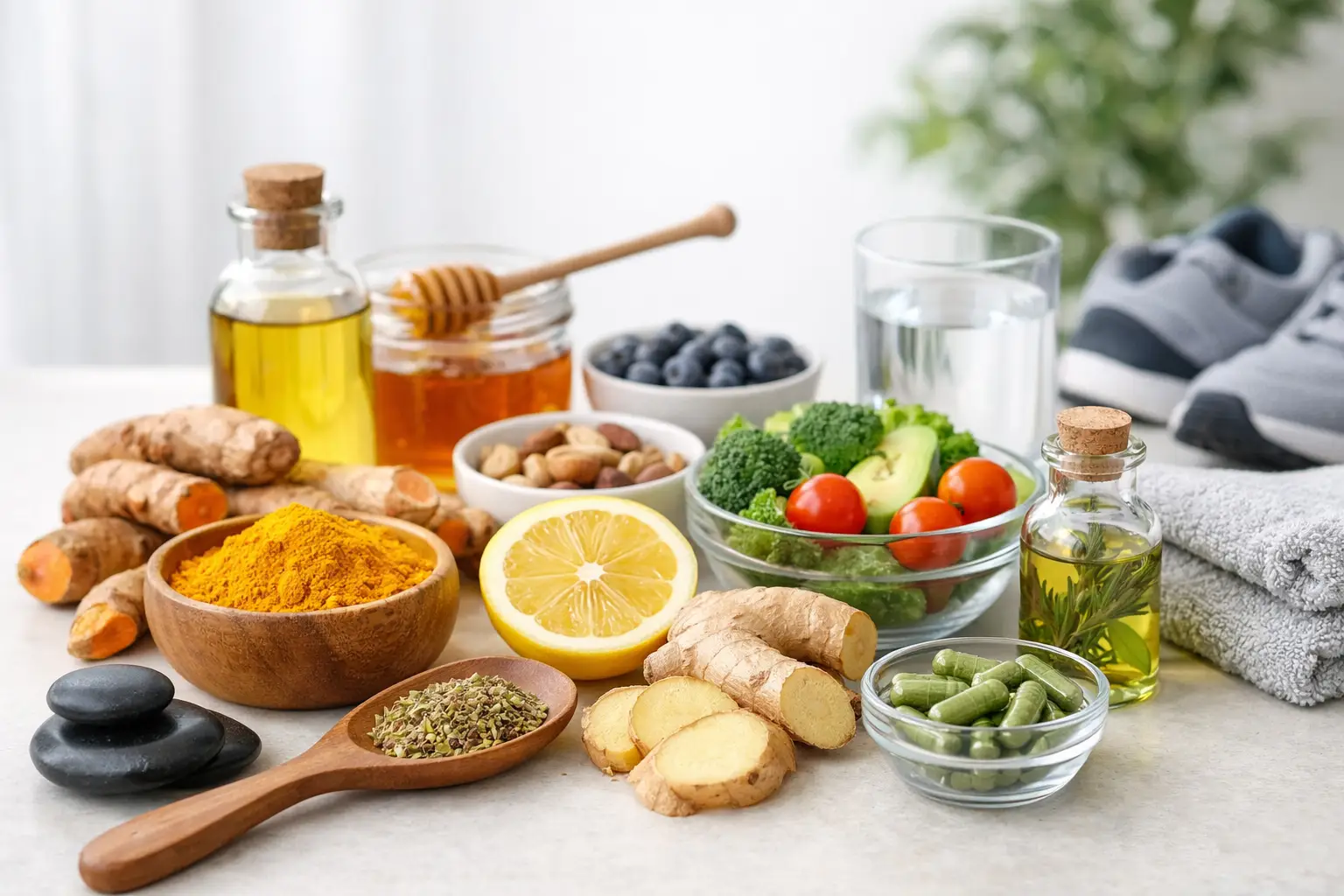
Inflammation is not always the enemy. Your body uses it to heal injuries and fight off infections. The problem starts when inflammation sticks around too long. That low-grade, ongoing kind has been linked to issues like joint pain, fatigue, digestive trouble, heart disease, and type 2 diabetes. If you have been wondering how to reduce inflammation naturally, the good news is that your everyday habits can make a real difference.
What inflammation really means
Acute inflammation is the short-term response you get after a cut, sprain, or infection. You may notice redness, swelling, heat, or pain. Chronic inflammation is different. It can stay under the surface for months or years, often without obvious symptoms at first.
A poor diet, long-term stress, smoking, lack of sleep, excess body fat, and too little physical activity can all push the body toward a more inflamed state. Some medical conditions do the same. That is why natural support works best when it is paired with proper medical care if symptoms are severe, persistent, or unexplained.
How to reduce inflammation naturally with food
Food is one of the biggest drivers of inflammation, for better or worse. A steady diet of highly processed snacks, sugary drinks, refined carbs, and fried foods may make inflammation worse over time. On the other hand, whole foods tend to support a healthier response.
Start by building meals around colorful vegetables, fruit, beans, nuts, seeds, whole grains, and healthy fats. Fatty fish like salmon, sardines, and mackerel are especially helpful because they provide omega-3 fats, which are known for their anti-inflammatory effects. If you do not eat fish, chia seeds, flaxseeds, and walnuts can still help, though they are not a perfect substitute.
Herbs and spices can also pull extra weight here. Turmeric, ginger, garlic, cinnamon, and rosemary are popular for a reason. They are easy to add to soups, teas, roasted vegetables, or grains. They will not cancel out a poor diet, but they can be a smart part of an overall pattern.
It also helps to watch foods that trigger your symptoms personally. Some people feel worse after too much alcohol, added sugar, or heavily processed meat. Others may react to certain foods because of intolerance or digestive issues. There is no single inflammation diet that works for everyone.
Sleep and stress matter more than most people think
If your sleep is off, your inflammation may be too. Poor sleep can raise inflammatory markers and leave you feeling achy, foggy, and drained. Aim for seven to nine hours of sleep most nights, and try to keep your bedtime and wake time fairly consistent.
Stress is another major piece of the puzzle. When stress becomes constant, the body stays on alert. That can affect hormones, digestion, immunity, and inflammation. You do not need a perfect morning routine to make progress. Even simple habits like a 10-minute walk, deep breathing, prayer, journaling, stretching, or quiet screen-free time can help bring stress levels down.
Move your body, but do not overdo it
Regular movement can help lower inflammation, improve circulation, and support a healthy weight. Walking, biking, swimming, strength training, and gentle yoga are all solid choices. The key is consistency.
More is not always better, though. Very intense exercise without enough recovery can increase stress on the body, especially if you are already run down. If you are dealing with pain, fatigue, or a health condition, start small and build gradually.
A few natural supports that may help
Some people look beyond food and exercise for extra support. Green tea, turmeric, ginger, and omega-3 supplements are commonly used for inflammation. Certain herbal products may also be helpful, depending on the person and the reason behind the inflammation.
Still, natural does not automatically mean safe for everyone. Herbs and supplements can interact with medications, affect blood clotting, or cause side effects. If you take prescriptions, are pregnant, or manage a chronic condition, check with a healthcare professional before adding anything new.
When natural steps are not enough
Natural strategies can support the body, but they are not a substitute for diagnosis. If you have ongoing joint swelling, chest pain, unexplained weight loss, digestive bleeding, severe fatigue, or symptoms that keep getting worse, it is time to get checked out.
Persistent inflammation can be tied to autoimmune disease, infection, metabolic problems, or other conditions that need treatment. The smartest approach is not choosing between natural care and medical care. Often, the best results come from using both wisely.
The most effective way to lower inflammation is usually not one miracle food or one herbal fix. It is a steady mix of better meals, more sleep, less stress, regular movement, and paying attention to what your body has been trying to tell you.

