
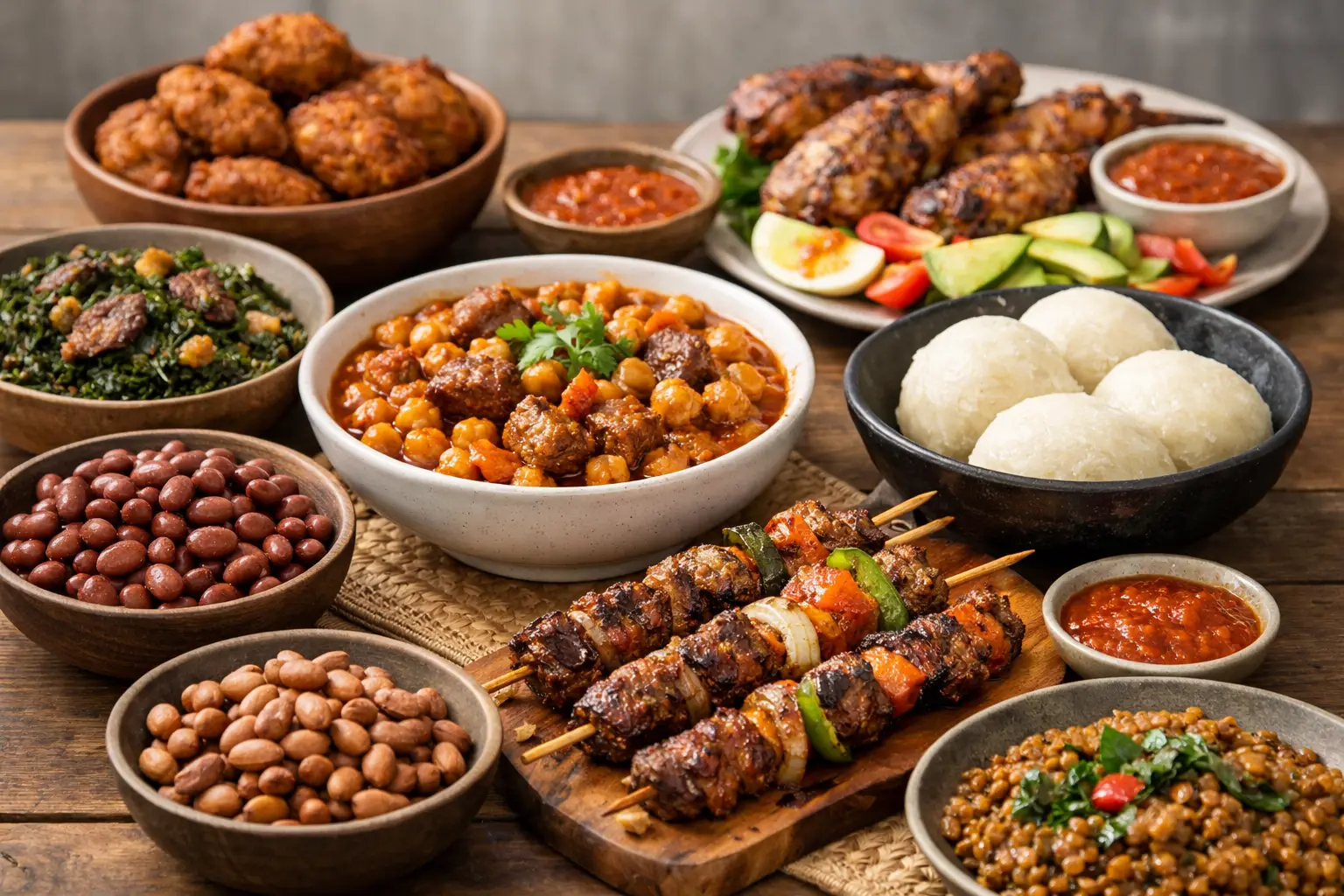
If your meals feel stuck in a chicken-eggs-and-protein-shakes loop, you are not alone. Protein-rich African foods offer a more interesting way to eat well, and many of them are affordable, filling, and packed with other nutrients your body needs.
African cuisines are not one thing. They vary by region, climate, culture, and local crops. But across the continent, you will find plenty of naturally high-protein foods made from beans, lentils, peas, seeds, grains, fish, dairy, and meat. Some are already familiar in the US, while others may be new to your kitchen.
Why protein-rich African foods deserve attention
Protein helps build and repair tissues, supports muscle health, and can help you stay full longer after meals. That matters if you are trying to manage weight, protect strength as you age, or simply avoid constant snacking.
What makes many African protein sources especially useful is that they often come with fiber, iron, magnesium, and healthy fats too. That combination can be more satisfying than heavily processed convenience foods. It also gives you more options if you want to eat less red meat or include more plant-based meals.
10 protein-rich African foods worth knowing
Beans are one of the biggest stars. Black-eyed peas, cowpeas, and other beans are common in many African dishes and provide a strong mix of protein and fiber. They work well in stews, rice dishes, and salads, and they are a smart choice for heart-friendly eating.
Lentils are another easy win. Popular in North and East African cooking, lentils cook faster than many dried beans and fit into soups, stews, and side dishes. They are especially helpful for people who want budget-friendly protein without much prep.
Bambara groundnuts are less known in the US, but they are impressive. These legumes are rich in protein and also provide carbohydrates, which makes them a sustaining food in traditional diets. If you come across them as dried beans or flour, they can add variety to plant-based meals.
Groundnuts, also known as peanuts, are widely used in African cooking. Peanut soups, stews, and sauces can provide protein along with healthy fats. The main caution is portion size, since peanuts are calorie-dense, and of course they are not safe for anyone with a peanut allergy.
Egusi seeds, which come from certain types of melon, are another standout. They are often ground and used to thicken soups. Egusi adds protein, fat, and minerals, giving soups a richer and more filling texture than broth-based meals.
Teff may be better known for its role in Ethiopian injera, but it deserves attention on its own. This tiny grain contains more protein than many people expect, along with iron and fiber. It is not as protein-dense as beans or fish, but it contributes meaningfully when eaten regularly.
Fonio is another traditional African grain with a light texture and quick cooking time. While it is not the highest-protein food on this list, it can support a balanced meal when paired with beans, fish, or seeds. It is a good example of how protein intake often comes from combinations, not just one ingredient.
Sardines and other small fish are a major protein source in many coastal and inland communities. They are rich in protein and often provide omega-3 fats and calcium if the soft bones are eaten. Dried, smoked, or fresh fish can all be useful, though sodium may be higher in preserved versions.
Goat meat is eaten in many African cuisines and offers complete protein, iron, and vitamin B12. Compared with fattier cuts of some red meats, goat can be relatively lean, but preparation matters. Fried or heavily salted dishes can change the nutrition picture.
Fermented dairy foods such as nunu and other traditional milk products can also contribute protein. These foods may be easier for some people to tolerate than regular milk, although that depends on the person. They can be a practical option for those who want dairy protein with a tangy, cultured taste.
How to build a balanced meal with African protein sources
The easiest approach is not to think about protein alone. Pair a protein-rich food with vegetables and a whole grain or starchy staple. Lentil stew with greens, bean dishes with brown rice, or fish served with cooked vegetables can all work well.
Plant proteins are especially helpful when combined across the day. You do not need to obsess over perfect pairings at every meal, but eating a variety of legumes, grains, seeds, and nuts can improve overall protein quality. That matters most for people who eat little or no animal food.
A few smart things to keep in mind
Not every traditional dish is automatically light or ideal for every health goal. Some recipes may be high in palm oil, salt, or refined starches depending on how they are prepared. That does not make them bad, but it does mean portion size and cooking style still matter.
If you have kidney disease, gout, food allergies, or a medical condition that affects your diet, protein choices may need to be personalized. The same is true if you are trying to lose weight but are adding calorie-dense foods like peanuts, seed pastes, or fatty meat without adjusting the rest of your meals.
For most people, though, protein-rich African foods can make healthy eating feel less repetitive and more satisfying. Trying even one or two of these foods can open the door to meals that support energy, fullness, and better nutrition without making food boring.

