Why Sundowning Occurs and How To Manage It

sundowning

Sundowning is a phenomenon commonly observed in individuals with dementia or Alzheimer’s disease, where confusion, agitation, and mood swings intensify during the late afternoon and evening. Understanding why sundowning occurs and how to manage it can greatly improve the quality of life for both patients and caregivers. What is Sundowning? Sundowning refers to a pattern … Read more

9 Supplements That May Improve Your Memory

9 Supplements That May Improve Your Memory

Introduction In today’s fast-paced world, maintaining a sharp memory and cognitive function is more important than ever. While a healthy diet, exercise, and sufficient sleep play crucial roles in brain health, certain supplements have been shown to support memory, focus, and overall cognitive performance. In this article, we’ll explore 9 supplements that may improve your … Read more

Dementia Explained: Signs, Stages, and Why It Matters

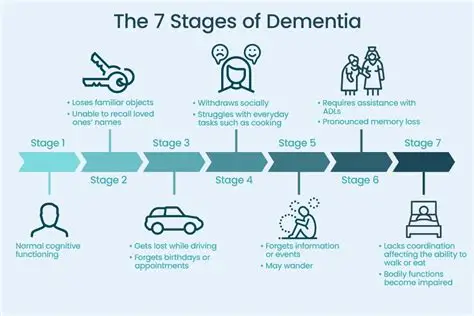
Dementia is a term many people have heard, yet few understand clearly. As global populations age, dementia is increasingly discussed in media, healthcare, and families. But what exactly is dementia? What are its early signs, stages of progression, and why does understanding it matter—not just for caregivers, but for society as a whole? In this … Read more

Does Sleeping on Your Back Affect Brain Health? New Study Suggests Possible Link

Brain Health

Sleep is one of the most crucial pillars of health, and researchers are increasingly uncovering how how you sleep — not just how much — might influence your brain’s long-term wellbeing. A new wave of studies suggests that sleep position, especially sleeping on your back (supine position), might affect brain health in ways scientists are … Read more

Study Identifies Genetic Variant as a Clear Cause of Alzheimer’s, Does This Mean You Should Get Tested?

For decades, scientists have known that genetics plays a role in Alzheimer’s disease — especially when the disease runs in families. But this past year, new research has brought an even more precise understanding of how a specific genetic variant may act as a clear cause of a form of Alzheimer’s, rather than just a … Read more

What Is Frontotemporal Dementia? A Complete Guide

Frontotemporal dementia (FTD) is a progressive brain disorder that affects the frontal and temporal lobes — the parts of the brain responsible for behavior, personality, language, and emotional regulation. Unlike more well‑known forms of dementia such as Alzheimer’s disease, FTD often emerges in mid‑life, typically between ages 45 and 65, but it can occur earlier … Read more

Alzheimer’s Disease vs. Dementia: Similarities and Differences

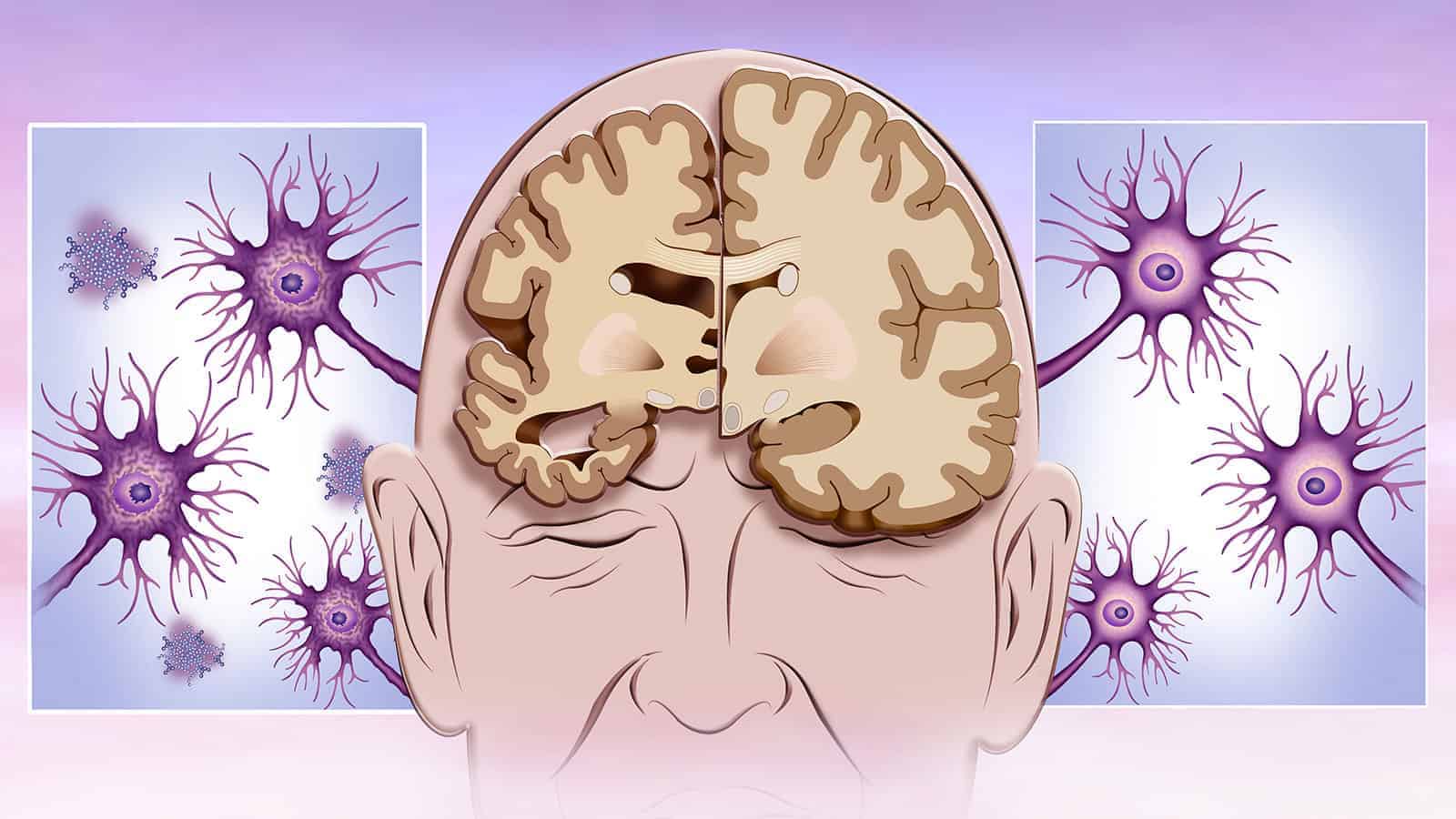
Alzheimer’s disease and dementia are terms often used interchangeably, yet they refer to distinct concepts. Understanding their similarities and differences is essential for caregivers, medical professionals, and individuals seeking clarity on memory-related illnesses. This comprehensive guide breaks down what dementia and Alzheimer’s are, their symptoms, causes, diagnosis, treatment options, and how they relate to one … Read more

What Is Vascular Dementia?

What Is Vascular Dementia?

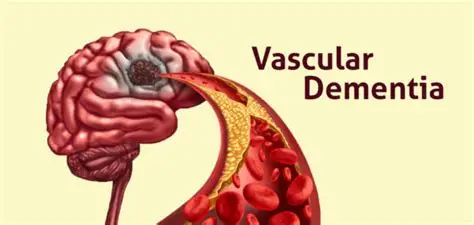
Vascular dementia is the second most common type of dementia, following Alzheimer’s disease. It is a progressive condition caused by reduced blood flow to the brain, which damages and eventually kills brain cells. Unlike Alzheimer’s, which primarily affects memory, vascular dementia often impacts thinking, reasoning, planning, and judgment. Causes of Vascular Dementia Vascular dementia is … Read more

Prevent Dementia By Addressing These Risk Factors

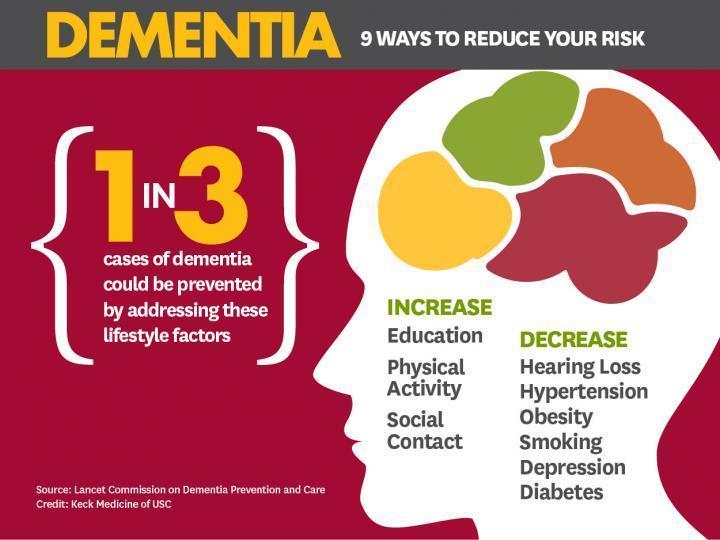
Dementia affects millions of people worldwide, yet many cases may be delayed or even prevented by proactively addressing key lifestyle and health risk factors. While aging remains the strongest known risk factor, research shows that up to 40% of dementia cases could be linked to modifiable risks such as physical inactivity, smoking, and unmanaged cardiovascular … Read more

Why Do Racial Disparities Exist in Alzheimer’s Disease and Dementia Care?

Alzheimer’s disease and related dementias affect millions of people worldwide, but research has consistently shown that not all communities are impacted equally. In the United States and globally, racial and ethnic minorities often face higher rates of dementia and receive lower quality care compared to white populations. Understanding the root causes of these disparities is … Read more