
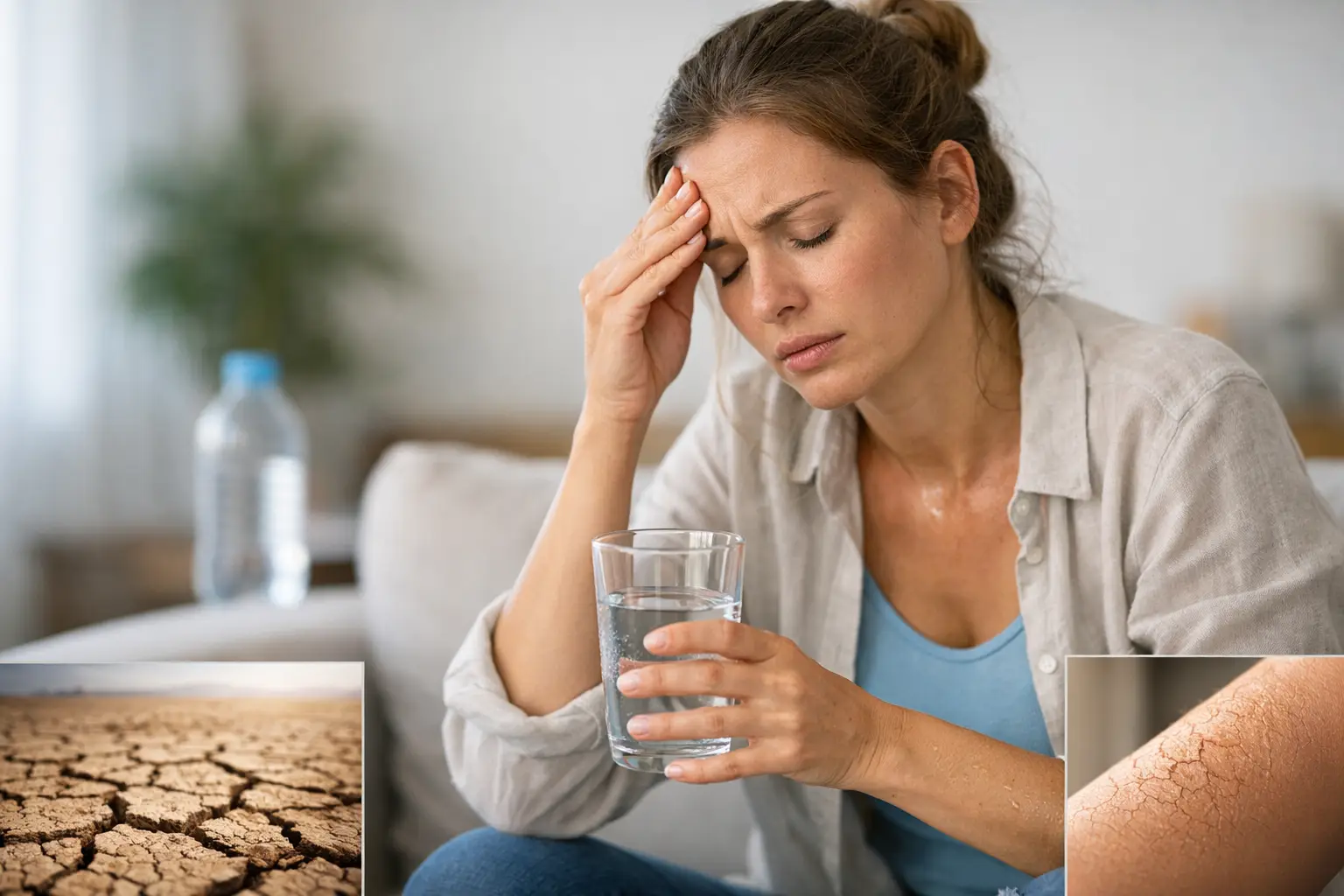
You do not have to be stranded in the heat to get dehydrated. It can happen after a workout, during a long day of errands, while traveling, or even when you are mildly sick. And the tricky part is that the early signs are easy to brush off. Many of the things your body does when you’re dehydrated can feel random at first – until they start piling up.
Your body depends on water for almost everything, from temperature control to circulation, digestion, joint comfort, and brain function. When you lose more fluids than you take in, your body starts making adjustments to protect the essentials. That is when symptoms show up.
Why dehydration affects so many parts of the body
Water is not just something that quenches thirst. It helps carry nutrients, supports blood volume, cushions tissues, and allows your cells to do basic work. When fluid levels drop, the body has to conserve water and reroute resources.
That is why dehydration does not show up in only one place. You may notice changes in your mouth, urine, skin, energy, mood, or even your heart rate. The effects can be mild at first, but they can become more serious if you ignore them.
1. You feel thirsty, and your mouth gets dry
This is the most obvious sign, but it is not always the first one people notice. Thirst is your body’s built-in alarm system. By the time you feel very thirsty, you may already be behind on fluids.
A dry or sticky mouth often comes with it because your body makes less saliva when it is trying to conserve water. Some people also notice bad breath, which can happen when the mouth gets drier and bacteria are not washed away as effectively.
If your lips feel cracked, your tongue feels dry, or you keep reaching for water without feeling fully refreshed, dehydration could be part of the picture.
2. Your urine gets darker and you pee less
One of the clearest clues is in the bathroom. When you are well hydrated, urine is usually light yellow. When you are dehydrated, the kidneys try to hold on to water, so urine becomes darker and more concentrated.
You may also pee less often than usual. For some people, that means going much longer between bathroom trips. For others, it means only passing a small amount each time.
There are exceptions. Certain vitamins, supplements, and medications can change urine color. But in everyday life, dark yellow urine is a common sign that your body wants more fluids.
3. You get a headache or feel lightheaded
A headache after hours without enough water is common, especially in hot weather or after exercise. Dehydration can affect blood volume and circulation, and that can contribute to head pain in some people.
You might also feel dizzy, foggy, or unsteady when standing up. That can happen because lower fluid levels make it harder for the body to keep blood pressure stable, especially when you change positions quickly.
If a person feels faint, confused, or severely weak, that moves beyond a simple wellness issue and into a warning sign that needs prompt medical attention.
4. Your energy drops fast
One of the most frustrating things your body does when you’re dehydrated is make you feel exhausted for no obvious reason. Even mild dehydration can leave you sluggish, less motivated, and physically drained.
This happens because your body has to work harder when fluid levels are low. Blood circulation may become less efficient, your muscles may not perform as well, and basic physical tasks can feel more tiring than they should.
Many people assume they need more caffeine when what they really need is water and electrolytes. In some cases, caffeine can even make the problem worse if it replaces fluids instead of adding to them.
5. Your brain feels slow and your mood may shift
Dehydration does not just affect the body. It can affect how you think and feel. Some people notice trouble focusing, forgetfulness, irritability, or a general sense of mental drag.
That does not mean every bad mood is caused by low water intake, of course. Stress, sleep loss, blood sugar changes, and illness can all play a role. But if you are feeling off, especially along with thirst or fatigue, dehydration is worth considering.
This can be especially noticeable in older adults, who may not feel thirst as strongly, and in busy adults who go hours without drinking enough.
6. Your heart may beat faster
As dehydration gets worse, blood volume can drop. To keep blood moving where it needs to go, the heart may start beating faster. Some people describe this as a racing heart, fluttering, or feeling unusually winded during simple activity.
This is one reason dehydration can feel more intense than people expect. It is not just about being thirsty. The circulatory system is trying to compensate.
A faster pulse can also happen with heat exhaustion, anxiety, fever, or infection, so context matters. But if you are sweating a lot, not drinking enough, and your heart rate feels elevated, dehydration could be contributing.
7. You may get constipated
Your digestive system needs enough fluid to keep things moving. When your body is low on water, the colon can pull more fluid from waste, which can make stool harder and more difficult to pass.
That is why constipation can sometimes improve with better hydration, especially when paired with fiber-rich foods. But there is a catch: adding a lot of fiber without enough water can actually make constipation feel worse.
If bowel changes happen along with dry mouth, dark urine, or fatigue, low fluid intake may be one of the easiest factors to correct.
8. Your skin and body have a harder time cooling down
Sweat is one of your body’s main tools for regulating temperature. But when you are dehydrated, you may not sweat as effectively, and that can make overheating more likely.
You may feel unusually hot, flushed, or uncomfortable in warm weather. During exercise, you might notice your stamina drops earlier than usual. In more serious cases, dehydration can contribute to heat exhaustion, which may bring heavy sweating, weakness, nausea, headache, and dizziness.
Some people look to skin “turgor” by pinching the skin, but that is not a very reliable home test for everyone, especially older adults. Everyday signs like thirst, dark urine, weakness, and heat intolerance are often more useful.
9. Your muscles may cramp or feel weak
Muscles depend on fluid and electrolyte balance to contract and relax properly. When you are dehydrated, especially after sweating, you may notice cramps, tightness, or a heavy, weak feeling in the legs or other muscles.
This is not always caused by dehydration alone. Overuse, medication side effects, and mineral imbalances can also trigger cramps. Still, if cramps show up during heat, exercise, or illness with fluid loss, dehydration moves high on the list.
For some people, replacing water alone helps. For others, especially after vomiting, diarrhea, or heavy sweating, fluids with electrolytes may make more sense.
When dehydration becomes dangerous
Mild dehydration is common and usually improves quickly with fluids. But moderate to severe dehydration can become serious, especially for babies, older adults, people with chronic illness, and anyone losing fluid through vomiting, diarrhea, fever, or heat exposure.
Watch for signs like extreme thirst, very little urination, confusion, rapid heartbeat, sunken eyes, fainting, or an inability to keep fluids down. Those symptoms should not be ignored.
It is also worth knowing that thirst can be a late signal in some groups. Older adults may become dehydrated without strong thirst, which is one reason regular fluid intake matters even when they do not feel thirsty.
How to rehydrate without overthinking it
For most mild cases, the fix is simple: drink fluids steadily and do not wait until you feel awful. Water is often enough for everyday dehydration. If you have been sweating a lot or have lost fluids through illness, drinks with electrolytes can help replace sodium and other minerals.
Foods can help too. Fruit, soup, smoothies, yogurt, and vegetables with high water content can all support hydration. This is one reason wellness guidance from platforms like Herbafama often focuses on daily habits, not just emergency fixes.
The main idea is consistency. Sip fluids throughout the day, pay attention during hot weather, and increase your intake when you are active or sick. If plain water is hard for you to remember, flavored water, herbal tea, or water-rich foods can make it easier.
A simple way to listen to your body
The body usually gives clues before dehydration becomes a bigger problem. Dry mouth, dark urine, headache, fatigue, constipation, dizziness, and muscle weakness are not random annoyances. They may be your system asking for help.
If you start noticing several of these at once, pause before pushing through. A glass of water, a hydrating snack, and a little rest may do more for you than pretending it will pass on its own.

