
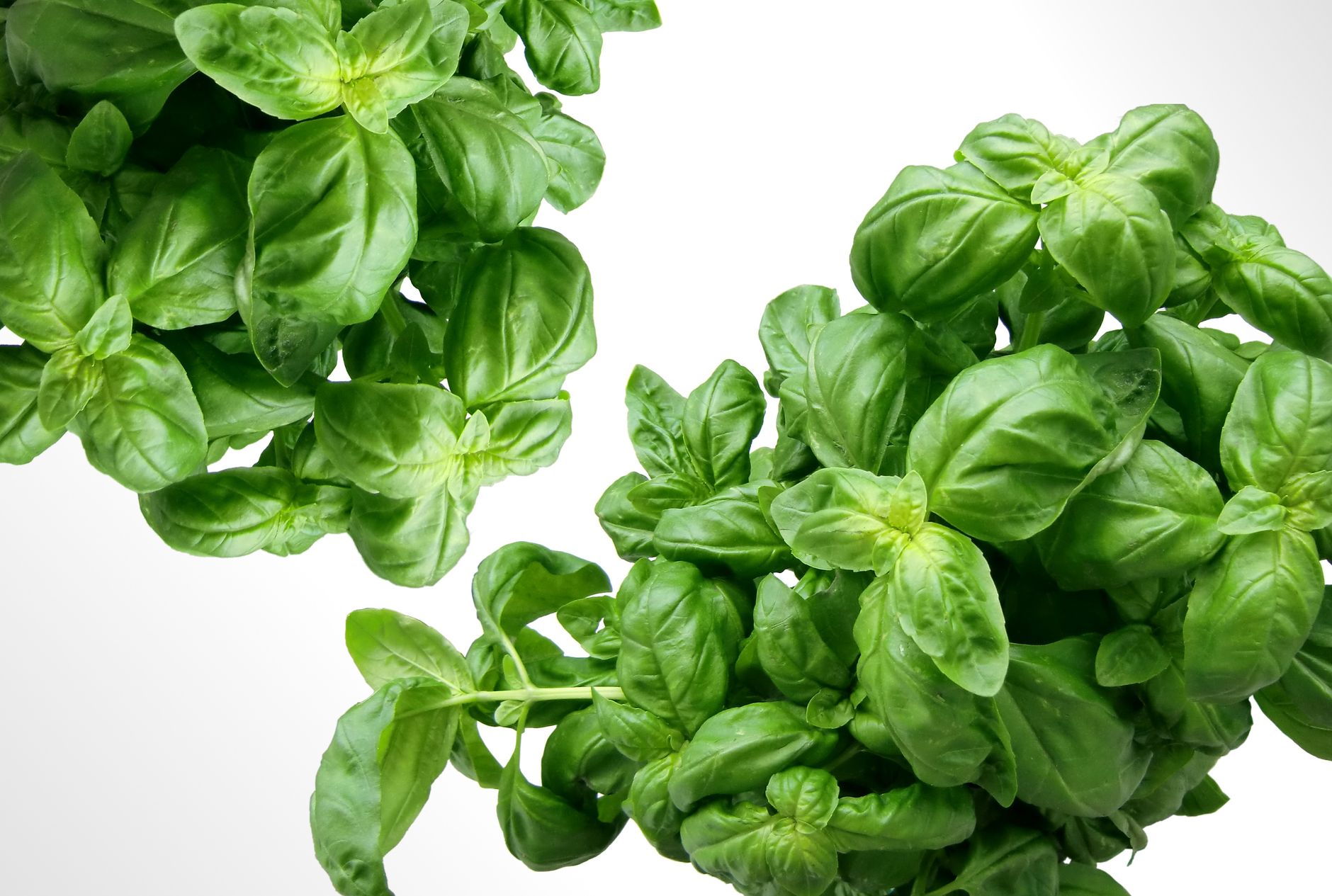

Herbs for better skin health have become increasingly popular as people seek natural alternatives to conventional skincare products. In 2026, the herbal skincare revolution continues to gain momentum, with scientific research validating what traditional medicine has known for centuries. This comprehensive guide explores the most effective herbs for better skin health and how to incorporate them into your daily routine.
Understanding Skin Health Through Herbal Medicine in 2026
The Science Behind Herbal Skincare
The journey toward herbs for better skin health begins with understanding how botanical compounds work at the cellular level. Modern dermatological research in 2026 has confirmed that many traditional herbs contain powerful antioxidants, anti-inflammatory agents, and antimicrobial properties that directly benefit skin. These natural compounds penetrate deeper into the skin layers compared to many synthetic alternatives, providing long-lasting improvements to skin texture, tone, and overall health.
Herbs for better skin health work through multiple mechanisms: some boost collagen production, others enhance blood circulation to nourish skin cells, while many contain polyphenols and flavonoids that protect against environmental damage. The beauty of using herbs is their holistic approach—they don’t just address surface-level issues but work from within to promote genuine skin healing and rejuvenation.
Why Choose Natural Herbs Over Chemical Alternatives
In 2026, consumers are increasingly conscious about what they apply to their skin and ingest. Chemical-laden products often come with side effects including sensitivity, allergic reactions, and long-term skin barrier damage. Herbs for better skin health offer a gentler yet highly effective alternative that works with your skin’s natural biology rather than against it.
Natural herbs contain bioavailable nutrients that your skin cells recognize and utilize efficiently. They typically produce fewer adverse reactions, making them suitable for sensitive skin types. Additionally, many herbs address multiple skin concerns simultaneously—a single herb like green tea can fight acne, reduce aging signs, and provide sun protection all at once.
Top Herbs for Acne and Blemish-Prone Skin
Tea Tree Oil and Neem Herb
Tea tree oil extracted from Melaleuca alternifolia remains one of the most powerful herbs for better skin health, particularly for acne-prone individuals. This essential oil contains terpineol, a compound with proven antimicrobial and anti-inflammatory properties that directly target acne-causing bacteria. Research in 2026 confirms that topical application of tea tree oil reduces acne severity comparable to benzoyl peroxide, without the irritation or drying effects.
Neem, another cornerstone herb in the fight against blemishes, has been used in Ayurvedic medicine for over 2000 years. This powerful herb for better skin health contains fatty acids and vitamin E that combat bacterial growth while soothing inflammation. Neem also regulates sebum production, addressing one of the root causes of acne. You can use neem in various forms: neem oil, neem leaf powder mixed into masks, or neem supplements.
Calendula and Witch Hazel
Calendula flowers represent an essential herb for better skin health, particularly for those recovering from breakouts or dealing with inflammatory skin conditions. The herb promotes cell regeneration and has potent antimicrobial properties that prevent infection. Calendula is gentle enough for sensitive, reactive skin while still being powerful enough to address active acne, making it a versatile choice in any herbal skincare regimen.
Witch hazel, derived from Hamamelis virginiana, functions as both an astringent and anti-inflammatory agent. This herb for better skin health tightens pores, reduces excess oil, and calms inflamed skin—all crucial for managing acne and blemishes. When used as a toner after cleansing, witch hazel helps balance skin pH while delivering tannins that possess astringent and antimicrobial benefits.
Anti-Aging Herbs for Youthful, Radiant Skin
Rosehip and Gotu Kola
Rosehip seed oil represents one of the most scientifically-validated herbs for better skin health in anti-aging applications. Rich in vitamin A, C, and E along with essential fatty acids, this herb penetrates deep into skin layers to stimulate collagen production and reduce the appearance of fine lines and wrinkles. The 2026 cosmetic research validates what users have reported for years: consistent use of rosehip oil improves skin elasticity and reduces hyperpigmentation and scars.
Gotu kola, known as the “herb of enlightenment” in Asian traditions, deserves its reputation as a powerful herb for better skin health. This adaptogenic plant contains amino acids and beta-carotene that support collagen synthesis and skin elasticity. Studies in 2026 demonstrate that gotu kola extract stimulates type I and III collagen production while simultaneously reducing collagen degradation, effectively reversing visible signs of aging.
Green Tea and Turmeric
Green tea polyphenols, particularly EGCG (epigallocatechin gallate), make this herb a cornerstone choice for herbs for better skin health. These powerful antioxidants protect skin cells from oxidative stress and UV damage while inhibiting DHT production—a hormone linked to both acne and skin aging. Applying green tea topically or consuming it internally provides comprehensive anti-aging benefits, including reduced pore size and improved skin firmness.
Turmeric, the golden herb containing curcumin, has revolutionized anti-aging skincare in 2026. This powerful herb for better skin health offers anti-inflammatory, antimicrobial, and antioxidant properties that address virtually every skin concern. Curcumin boosts antioxidant enzyme production in skin cells, reduces inflammation associated with aging, and has demonstrated ability to fade age spots and discoloration. When combined with black pepper to enhance absorption, turmeric becomes exponentially more effective.
Hydrating and Nourishing Herbs for Dry Skin
Calendula and Chamomile
While calendula was mentioned for acne treatment, its nourishing properties make it equally valuable as an herb for better skin health in dry or sensitive conditions. The herb contains mucilage compounds that provide superior hydration and soothing benefits. Calendula infusions or oils create a protective barrier that prevents transepidermal water loss while delivering vitamins and minerals directly to parched skin cells.
Chamomile offers gentleness and profound nourishment that makes it ideal for compromised skin barriers. This herb for better skin health contains azulene, which reduces inflammation and promotes healing while bisabolol provides antimicrobial and antifungal protection. A chamomile tea rinse or infusion can restore hydration and comfort to irritated, dry skin while providing anti-aging antioxidants.
Aloe Vera and Comfrey
Aloe vera, while technically a succulent rather than traditional herb, functions as one of the most hydrating herbs for better skin health. The gel contains polysaccharides that improve water retention within skin cells and promote collagen and elastin production. Aloe vera’s glycoproteins accelerate skin cell turnover, making it invaluable for addressing dryness, sensitivity, and irritation simultaneously.
Comfrey root contains allantoin, a compound that stimulates cell proliferation and significantly improves skin hydration. This herb for better skin health has been used for wound healing and skin restoration for centuries, and modern research validates its effectiveness. Comfrey promotes rapid skin cell regeneration while strengthening the skin barrier, making it essential for anyone struggling with chronic dryness or compromised skin health.
| Herb | Primary Benefits | Best For | Application Method | Key Active Compounds |
|---|---|---|---|---|
| Green Tea | Antioxidant, Anti-inflammatory | Aging skin, oily skin | Topical spray, infusion, mask | EGCG, Polyphenols |
| Turmeric | Anti-inflammatory, Brightening | Acne, dark spots, sensitive | Mask, topical paste | Curcumin |
| Rosehip | Anti-aging, Hydrating | Mature skin, scars, wrinkles | Oil application, serum | Vitamin A, C, E, Fatty Acids |
| Neem | Antimicrobial, Antibacterial | Acne-prone, oily | Oil, powder, extract | Fatty Acids, Azadirachtin |
| Gotu Kola | Collagen synthesis, Firming | Mature skin, elasticity | Extract, supplement, cream | Amino acids, Beta-carotene |
| Aloe Vera | Hydrating, Soothing | Dry, irritated, sensitive | Gel application, infusion | Polysaccharides, Glycoproteins |
Herbs for Specific Skin Concerns and Conditions
Addressing Hyperpigmentation and Dark Spots
Herbs for better skin health that target hyperpigmentation focus on inhibiting melanin production and promoting cell turnover. Licorice root contains glabridin, a compound that blocks tyrosinase enzyme activity, which is essential for melanin formation. This herb creates a brighter, more even skin tone without the irritation associated with hydroquinone and other chemical brighteners. In 2026, licorice root extract has become a staple ingredient in natural brightening formulations.
Vitamin C-rich herbs like kakadu plum and rosehip also combat hyperpigmentation by promoting collagen production and accelerating skin cell renewal. The combination of these herbs for better skin health creates a comprehensive approach to fading dark spots and post-inflammatory hyperpigmentation. Using them consistently over 8-12 weeks typically yields visible improvements in skin tone and clarity.
- Licorice root reduces tyrosinase enzyme activity
- Kakadu plum provides bioavailable vitamin C
- Kojic acid from koji spores inhibits melanin
- Vitamin E supports cellular repair and melanin reduction
- Alpha-arbutin from bearberry slows melanin production
Soothing Sensitive and Reactive Skin
Sensitive skin requires herbs for better skin health that are gentle yet effective at reducing inflammation and strengthening the skin barrier. Centella asiatica (gotu kola’s scientific name) has demonstrated remarkable ability to restore compromised skin barriers and reduce reactive skin responses. This herb fortifies the skin’s structural proteins while simultaneously reducing inflammatory markers that trigger sensitivity and redness.
Oatmeal, another powerful herb-like ingredient, contains avenanthramides that calm even severe skin irritation and itching. When combined with chamomile and lavender, this trio of herbs for better skin health creates an exceptionally soothing skincare system. These herbs are particularly valuable for people with rosacea, eczema-prone skin, or post-procedure sensitivity.
How to Use Herbs for Better Skin Health in Your Daily Routine
Creating Herbal Infusions and Teas
One of the simplest ways to implement herbs for better skin health is through internal consumption. Herbal infusions deliver active compounds directly into your bloodstream, where they circulate to skin cells and provide systemic benefits. Green tea, white tea, hibiscus, and rose petal infusions are excellent choices for daily consumption—simply steep one teaspoon of dried herb in hot water for 5-10 minutes.
Creating strong herbal decoctions for topical use represents another straightforward application method. Simmer dried herbs like gotu kola, calendula, or chamomile for 10-15 minutes, strain, and allow to cool. This herbal liquid can be used as a toner, stored in the refrigerator for up to one week, or frozen into ice cubes for facial icing—a technique that boosts circulation while delivering concentrated herb benefits directly to the skin.
Formulating Herbal Masks and Pastes
Combining powdered herbs for better skin health into masks allows for intensive, targeted treatment. Mix turmeric powder with yogurt and honey for an anti-inflammatory, antibacterial mask; combine neem powder with aloe vera gel for acne treatment; or blend rose clay with green tea powder for oil control and antioxidant protection. Apply these herbal masks 2-3 times weekly for visible improvements in skin clarity and radiance.
Creating herbal pastes from fresh plant material intensifies the potency of herbs for better skin health. Fresh aloe vera leaf cut lengthwise and applied directly to blemishes, or fresh gotu kola leaves crushed into a paste and applied to irritated areas, deliver maximum bioavailable compounds. These methods work exceptionally well because you’re using the herb in its most natural state with minimal processing.
- Mix powdered herbs with water, oils, or hydrosols to create custom masks
- Combine herbs for synergistic skin benefits addressing multiple concerns
- Apply masks 2-3 times weekly for optimal results without over-treating
- Leave masks on for 10-15 minutes to allow compound absorption
- Follow with your regular moisturizer to lock in benefits
Herbal Oils and Serums
Infusing carrier oils with dried herbs creates powerful herbs for better skin health formulations that can be used daily. Fill a jar with dried herb material, cover completely with jojoba, argan, or rosehip oil, seal, and allow to infuse in a cool, dark place for 2-4 weeks. This herb-infused oil delivers fat-soluble compounds directly into skin cells, providing nourishment and addressing multiple skin concerns simultaneously.
Commercial herbal serums offer convenience for those unable to prepare infusions themselves. Look for products containing herbs for better skin health that include green tea, turmeric, rosehip, and gotu kola. These concentrated formulations should be applied to clean skin before moisturizer, typically using just 2-3 drops for the entire face, as herbs for better skin health are potent and concentrated forms deliver results efficiently.
Frequently Asked Questions About Herbs for Better Skin Health
How long does it take to see results from using herbs for better skin health?
Results vary depending on your skin concern and the herb used, but most people notice initial improvements within 2-4 weeks of consistent use. Anti-aging benefits typically require 8-12 weeks of regular application to become visibly apparent, as collagen synthesis and skin renewal occur gradually. Some benefits, like acne reduction with tea tree oil or neem, may appear within 1-2 weeks. For optimal results, maintain consistent use and combine multiple herbs for better skin health targeting different aspects of skin health.
Can I combine multiple herbs for better skin health in one routine?
Absolutely! In fact, combining complementary herbs for better skin health often produces superior results through synergistic effects. For example, combining turmeric (anti-inflammatory) with green tea (antioxidant) with aloe vera (hydrating) creates a comprehensive treatment addressing inflammation, oxidative stress, and hydration simultaneously. However, introduce new herbs gradually—add one new herb every week—to monitor your skin’s response and identify any sensitivities.
Are there any side effects or contraindications with herbal skincare?
While herbs for better skin health are generally safer than chemical alternatives, some people may experience sensitivity or allergic reactions. Always perform a patch test on a small area before applying new herbs to your entire face. Some herbs, particularly essential oils like tea tree, should never be applied undiluted directly to skin. Pregnant women should consult healthcare providers before using certain herbs internally, though topical application is typically safe. If you’re taking medications, research potential interactions before consuming herbal supplements internally.
Which herbs for better skin health are best for combination skin?
Combination skin benefits from balancing herbs that address both oily and dry zones without exacerbating either condition. Green tea, witch hazel, and gotu kola work beautifully for combination skin, providing oil control in the T-zone while supporting hydration and barrier function elsewhere. Rose water serves as an excellent hydrosol for combination skin, balancing pH and providing gentle treatment. Use lighter formulations on oily areas and richer herb infusions on drier zones.
Can I ingest herbs for better skin health or should they only be applied topically?
Many herbs for better skin health deliver benefits through both internal and topical use, though the mechanisms differ. Internal consumption (as teas or supplements) delivers systemic antioxidants and anti-inflammatory compounds that support skin health from within, addressing root causes of skin issues. Topical application targets specific areas and delivers concentrated benefits directly to the skin. The most effective approach combines both methods—drinking green tea daily while also applying green tea extract topically creates comprehensive skin benefits. However, verify safety for internal use, as some concentrated extracts shouldn’t be ingested.
The Link Between Systemic Health and Skin Appearance
Nutritional Support Through Herbal Supplements
While topical herbs for better skin health address external skin concerns, internal herbal supplementation supports the foundational health required for radiant skin. Consider exploring milk thistle liver health benefits in relation to skin clarity, as liver health directly impacts skin appearance through improved detoxification. Additionally, understanding broader health, herbs, diseases, nutrition & diet comparison 2026 helps you select the most effective herbs for your specific health profile and skin needs.
Consuming herbs for better skin health as teas and supplements ensures that skin cells receive the nutritional support they require for optimal function. Biotin-rich herbs, vitamin E sources, and minerals like zinc and selenium all support skin structure, elasticity, and repair mechanisms. A holistic approach combining internal herbal nutrition with external herbal skincare creates exponentially better results than either method alone.
Lifestyle Integration and Long-Term Skin Health
True herbs for better skin health requires integration into a holistic lifestyle approach. Quality sleep, stress management, hydration, sun protection, and nutrition all work synergistically with herbal treatments. Herbs for better skin health perform optimally when supported by adequate sleep (allowing skin repair), stress reduction (preventing inflammation), and antioxidant-rich diet (supporting skin’s natural defense systems).
For comprehensive guidance on herb selection and integration, explore herbs for skin health resources specifically designed for 2026 applications. These resources help you understand how specific herbs for