
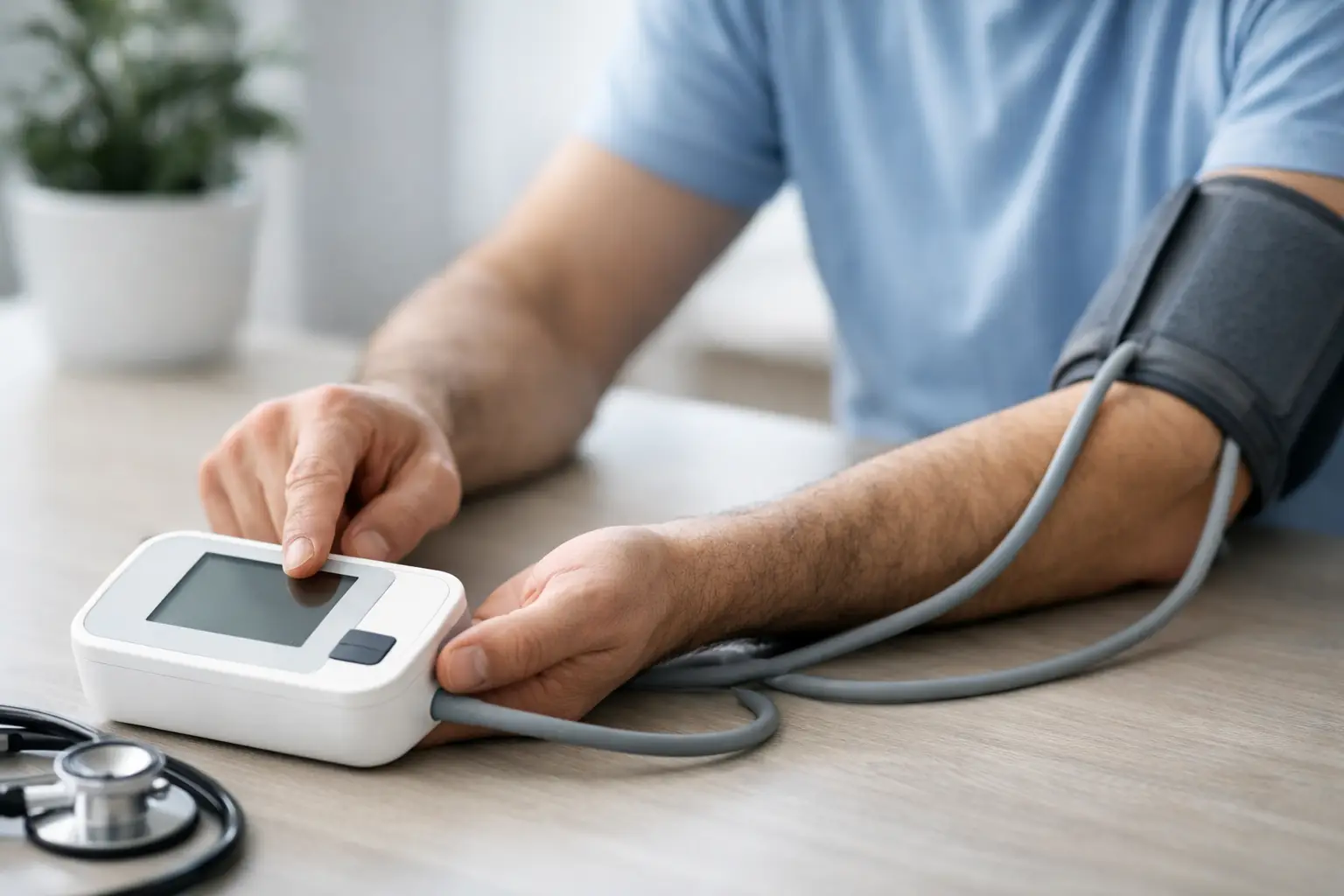
That one high reading can throw off your whole day. Maybe you checked your blood pressure after climbing the stairs, saw a number that looked scary, and immediately assumed something was wrong. The truth is, learning how to use a blood pressure monitor correctly matters just as much as the monitor itself.
Home monitoring can be a smart way to keep an eye on your health, especially if you have high blood pressure, take blood pressure medication, feel stressed often, or want to track changes over time. But small mistakes can lead to readings that are higher or lower than they should be. A cuff that does not fit well, talking during the test, or sitting the wrong way can all affect the result.
Why home readings can be so helpful
A blood pressure check at home gives you a more realistic picture of what is happening in daily life. Some people get nervous in a clinic and their numbers rise for that reason alone. Others may have normal readings at appointments but higher numbers at home, which can also matter.
This is why doctors often like to see a pattern instead of one isolated number. A home monitor helps you notice trends, not just one random result. That can be useful if you are adjusting medication, working on stress, changing your diet, or trying lifestyle habits such as better sleep, walking more, or cutting back on sodium.
How to use a blood pressure monitor step by step
The best time to learn is before you are in a rush. Start by reading the instruction booklet for your specific device, since button layout and cuff placement can vary a little. Most home users do best with an automatic upper-arm monitor, because wrist and finger devices are often more sensitive to position and may be less consistent.
Before you take a reading, avoid caffeine, smoking, exercise, and alcohol for at least 30 minutes if possible. Empty your bladder too. These details sound minor, but they can shift your numbers enough to create confusion.
Sit quietly for five minutes before starting. Use a chair with back support and keep both feet flat on the floor. Do not cross your legs. Rest your arm on a table so the cuff sits around heart level.
Wrap the cuff on bare skin, not over a shirt or sweater. It should fit snugly but not painfully tight. The bottom edge of the cuff usually sits about an inch above the bend of your elbow. If your monitor has an artery marker, line it up according to the instructions.
Once you are in position, stay still and do not talk. Press start and let the monitor inflate and deflate. When the reading appears, write it down or store it in the device if it has memory. It is often helpful to take two readings, one minute apart, and use the average unless your doctor told you otherwise.
What the numbers mean
Blood pressure readings have two numbers. The top number, called systolic pressure, shows how much pressure is in your arteries when your heart beats. The bottom number, called diastolic pressure, shows the pressure when your heart rests between beats.
If you are new to home monitoring, it is easy to focus on one unusual reading and panic. Try not to. Blood pressure naturally changes through the day based on movement, stress, meals, temperature, pain, sleep, and even conversation. What matters more is the overall pattern.
If your readings are often higher than your doctor wants, or much lower than usual, that is worth discussing. If you ever get a very high reading along with symptoms such as chest pain, trouble breathing, confusion, severe headache, weakness, or vision changes, seek urgent medical care right away.
Common mistakes that make readings less accurate
Most bad readings come from simple habits, not device failure. Checking your pressure while talking, texting, or watching something stressful can raise the number. So can sitting with your feet dangling, crossing your legs, or holding your arm too low.
Cuff size is another big issue. If the cuff is too small, the reading may come out falsely high. If it is too large, the result may be off in the other direction. This is one reason an upper-arm monitor with the right cuff size is usually the better choice.
Timing matters too. If you test right after exercise, during pain, or after an argument, your reading may not reflect your usual baseline. That does not mean the number is fake. It just means context matters.
Best times to check your blood pressure
For many people, the most useful routine is checking once in the morning before food, caffeine, or medication, and once in the evening. Try to do it at the same times each day. Consistency makes the numbers more meaningful.
Some people only need to monitor for a few days before a doctor visit. Others may check daily for longer periods, especially when starting a new medication or watching an ongoing condition. More is not always better. If checking too often makes you anxious, that can become part of the problem.
A simple log helps. Record the date, time, reading, and anything unusual such as stress, poor sleep, a salty meal, or symptoms like dizziness. That gives your doctor much more useful information than a single number remembered from memory.
Choosing the right monitor for home use
If you are shopping for a device, look for an automatic upper-arm monitor that is easy to read and simple to use. A large display can help if you have vision issues. Memory storage is useful if you do not want to keep a paper log.
Comfort and fit matter more than fancy extras. Some monitors sync with apps, which can be convenient, but a dependable cuff and clear instructions are more important. If you are not sure whether your monitor is accurate, bring it to a doctor appointment and compare it with the office reading.
This is also where a practical wellness approach helps. A home monitor is a tool, not a diagnosis by itself. It works best when paired with good habits such as regular movement, less sodium, enough potassium from food when appropriate, stress management, and following your care plan.
When readings vary a lot
It can be frustrating when your results bounce around. A difference from one reading to the next is not unusual, especially if you are tense or adjusting your position. That is why many experts suggest taking two readings and averaging them.
But large swings over time deserve attention. They can happen because of inconsistent measuring technique, medication timing, dehydration, poor sleep, or an underlying health issue. If your numbers seem unpredictable, the first step is to tighten up your routine before assuming the worst.
Check the same arm each time unless your doctor tells you otherwise. Use the same chair, same table, and same general time of day. Those small routines reduce noise and help you see what is really changing.
Can natural habits help lower blood pressure?
Many people who search how to use a blood pressure monitor are also trying to improve their readings naturally. That makes sense. Home monitoring can show whether your daily habits are helping over time.
For some adults, changes such as losing excess weight, walking regularly, limiting alcohol, reducing sodium, getting better sleep, and managing stress can make a real difference. Some people also explore supportive habits like breathing exercises, mindfulness, or heart-healthy foods rich in magnesium and potassium.
Herbal products are popular too, but this is where caution matters. Natural does not always mean harmless, especially if you take blood pressure medicine, blood thinners, or have kidney problems. If you use herbs or supplements, tell your doctor so your home readings can be interpreted in the full context of your health.
When to talk to a doctor
Home monitoring is helpful, but it does not replace medical care. If your readings are repeatedly high, unusually low, or changing in a way that does not make sense, bring your log to a healthcare professional. They can look at the pattern, your symptoms, and your medications together.
It is also smart to ask for guidance if you are pregnant, have heart disease, diabetes, kidney disease, or feel unsure about what your target numbers should be. Blood pressure goals can vary depending on your age, health history, and treatment plan.
Using a blood pressure monitor well is really about building a calm, repeatable routine. Once that routine becomes familiar, the numbers stop feeling like random surprises and start becoming useful information you can act on with confidence.

