
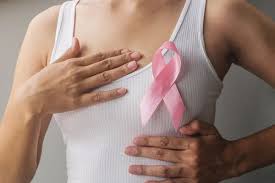
A breast lump gets the most attention, but it is not the only symptom that matters. Some breast cancer warning signs are subtle at first – easy to dismiss as hormones, skin irritation, or normal body changes. That is why knowing what to look for can make a real difference.
Many breast changes turn out to be noncancerous. Cysts, infections, hormonal shifts, and benign growths can all cause symptoms that feel alarming. Still, a new or unusual change in one or both breasts deserves attention, especially if it does not go away.
Why breast cancer warning signs can be easy to miss
Breast cancer does not always cause pain. In fact, some people feel completely fine and notice only a small visual change in the mirror or a difference while getting dressed. Others discover a problem by chance during a shower or while applying lotion.
Symptoms also vary by age, breast density, hormone status, and the type of breast cancer involved. That is why there is no single symptom checklist that catches every case. The goal is not to panic over every change. It is to notice what is new, unusual, or persistent.
10 breast cancer warning signs to watch for
1. A new lump in the breast or underarm
This is the sign many people know best. A breast cancer lump is often described as hard, irregular, and painless, but that is not always true. Some cancerous lumps feel round, soft, or tender.
What matters most is whether the lump is new and whether it sticks around after your menstrual cycle if you still have periods. A lump under the arm can also matter because breast tissue extends into that area.
2. Swelling in part or all of the breast
Sometimes the breast becomes swollen before a distinct lump is easy to feel. One breast may suddenly look larger, fuller, or heavier than usual. In some cases, the swelling is obvious. In others, it is a subtle change in bra fit or breast shape.
Swelling can happen with infections too, so this symptom does not automatically mean cancer. But if it is new or unexplained, it should be checked.
3. Skin dimpling or puckering
If the breast skin starts to look dimpled, creased, or pulled inward, pay attention. Some people describe this as a texture similar to an orange peel. This can happen when a tumor affects the tissue or ligaments beneath the skin.
A temporary indentation from clothing is not the same thing. The concern is a skin change that does not go away.
4. Nipple changes
A nipple that suddenly turns inward, flattens, or changes position can be a warning sign. Some people naturally have inverted nipples, so the key is whether this is a new development.
You may also notice crusting, scaling, or thickened skin around the nipple. These changes can have noncancerous causes, but they are still worth medical attention.
5. Nipple discharge that is not normal for you
Breastfeeding can cause discharge, and some benign conditions can too. But spontaneous nipple discharge, especially from one breast only, deserves a closer look.
Discharge that is bloody, clear, or happens without squeezing the nipple is more concerning than milky discharge that has an obvious explanation. It does not always mean cancer, but it should not be ignored.
6. Breast pain that does not go away
Most breast pain is linked to hormones, menstrual cycles, muscle strain, or benign breast conditions. Still, persistent pain in one specific spot is something to bring up with a healthcare provider.
Pain alone is less common as a breast cancer symptom than a lump or skin change. Even so, ongoing discomfort with no clear reason should be evaluated, especially if it comes with another symptom.
7. Redness or unusual warmth
Inflammatory breast cancer is less common than other forms, but it can move quickly and may not cause a classic lump. Instead, the breast may look red, feel warm, appear swollen, or become tender.
Because these symptoms can resemble an infection, some people delay care or assume antibiotics will fix the issue. If redness and swelling appear suddenly or do not improve promptly, seek medical evaluation.
8. Thickened breast skin or changes in texture
The skin on the breast may start to feel thicker, firmer, or different from the surrounding area. Sometimes it looks rough, swollen, or irritated. A patch of skin that seems persistently different from the rest of the breast should not be brushed off.
Skin symptoms are easy to blame on dryness, friction, or a rash. If simple skin care does not help, it is worth getting checked.
9. A change in breast shape or size
Breasts are not perfectly symmetrical, and many people naturally have one side that is a bit different from the other. The concern is a noticeable new change. One breast may begin to sag differently, change contour, or look distorted.
This can happen when tissue inside the breast changes in a way that pulls on surrounding structures. If you notice a visible difference that persists, it is worth a closer look.
10. Swollen lymph nodes near the collarbone or armpit
Breast cancer can sometimes show up first in nearby lymph nodes. You might feel a lump, swelling, or fullness in the underarm or near the collarbone before noticing a breast symptom.
Lymph nodes can swell for many reasons, including infections. But if the swelling is unexplained or lasts more than a short time, do not wait too long to ask about it.
When should you see a doctor?
A good rule is simple: if you notice a new breast change that lasts more than a couple of weeks, gets worse, or feels unusual for your body, make an appointment. If symptoms appear suddenly and look dramatic – especially redness, rapid swelling, or nipple bleeding – get evaluated sooner.
It can feel tempting to wait and see, particularly if you are busy or worried about overreacting. But checking a symptom early is almost always better than losing months to uncertainty. Many breast concerns turn out to be benign, and getting clarity can bring peace of mind.
What happens at a medical visit
If you report breast cancer warning signs, a clinician will usually ask when the change started, whether it comes and goes, and whether you have a personal or family history of breast problems. You will likely have a breast exam, and depending on your age and symptoms, imaging may be recommended.
That may include a diagnostic mammogram, breast ultrasound, or sometimes an MRI. If an area still looks suspicious, a biopsy may be needed to tell exactly what it is. That sounds scary, but it is the only way to confirm whether a change is cancerous or not.
Risk factors matter, but symptoms still matter more
Some people assume they are safe because they have no family history of breast cancer. Others worry that family history means every symptom is cancer. Reality is more complicated.
Yes, risk goes up with factors like older age, certain inherited gene changes, dense breasts, prior chest radiation, hormone exposure, alcohol use, obesity after menopause, and close relatives with breast or ovarian cancer. But many people diagnosed with breast cancer do not have a strong family history. That is why body awareness matters for everyone.
Can lifestyle and natural wellness support breast health?
No food, herb, tea, or supplement can prevent or treat breast cancer on its own. That is an important line to keep clear. At the same time, healthy daily habits can support overall wellness and may help lower risk over time.
Regular physical activity, limiting alcohol, maintaining a healthy weight, not smoking, and keeping up with recommended screenings all play a role. A diet rich in fruits, vegetables, beans, whole grains, and healthy fats supports general health as well. Some readers of Herbafama are interested in herbal wellness, and that can be part of a broader self-care routine, but herbs should never replace medical evaluation for suspicious breast symptoms.
Screening helps, but it does not replace self-awareness
Mammograms can detect many breast cancers before symptoms begin, which is why screening matters. But screenings are not perfect, and changes can appear between appointments. That is especially true for people with dense breast tissue, where some abnormalities can be harder to spot.
Knowing your normal breast look and feel does not mean performing a stressful daily exam. It simply means noticing your own baseline so that a new change stands out. A quick check during routine activities like showering or dressing is often enough to help you stay aware.
If something seems off, trust yourself enough to follow up. You do not need to be certain that a symptom is serious before asking about it. You only need to notice that your body is telling you something new.

