
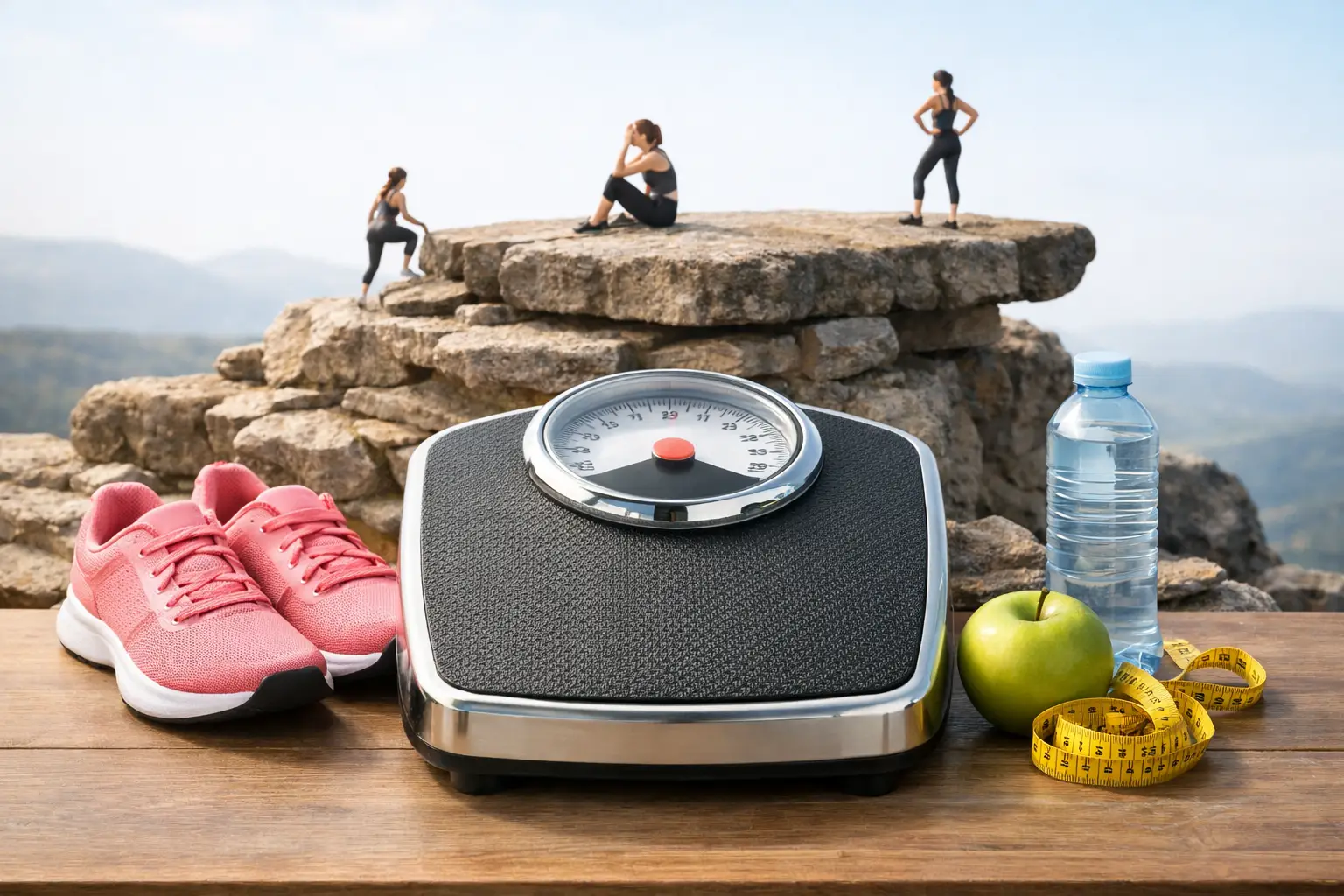
Nothing is more frustrating than doing “everything right” and watching the scale refuse to move. If you have been searching for weight loss plateau examples, chances are you are not failing – you are running into a very common part of the process.
A plateau usually means your body, habits, or expectations have shifted enough that your old routine is no longer creating the same result. That does not always mean you need a drastic fix. Sometimes the problem is hidden in plain sight.
Weight loss plateau examples that happen all the time
One of the most common examples is the early drop followed by a stall. In the first week or two, many people lose several pounds quickly, then panic when progress slows down. Often, that early loss includes water weight, especially if you cut back on carbs, salty foods, or processed meals. After that, fat loss tends to move more slowly and less dramatically.
Another classic plateau happens when portions quietly creep up. You may still be eating healthy foods like oatmeal, nuts, smoothies, or avocado toast, but calorie-dense foods can add up fast. A tablespoon of peanut butter becomes two. A handful of trail mix becomes a small bowl. The food quality is good, but the total intake starts matching your body’s needs again, and the deficit disappears.
A third example is when exercise stays the same for too long. Walking 30 minutes a day is great for health, but if that has been your exact routine for months, your body becomes more efficient at it. You still benefit, but you may burn fewer calories than when you first started. This is one reason people hit a plateau even though they have stayed consistent.
Why a plateau does not always mean fat loss has stopped
Sometimes the scale is flat, but your body is still changing. If you recently added strength training, you may be building lean muscle while losing fat. Your weight may hold steady while your waist, hips, or clothing size changes. This can feel confusing if you rely only on the scale.
Hormones and fluid shifts can also create fake plateaus. Many women notice scale stalls before or during their period because the body holds extra water. A salty meal, poor sleep, stress, or certain medications can do the same thing. In those cases, the plateau is real on the scale but temporary in the body.
Digestion plays a role too. If you are constipated, eating more fiber than usual, or making major diet changes, scale readings can stay elevated for days even when fat loss is happening underneath. That is why daily numbers need context.
More weight loss plateau examples you might not notice
A fourth example is “healthy weekend drift.” During the week, meals are structured and portions are moderate. Then the weekend brings restaurant meals, drinks, snacks, takeout, or a few treats that seem harmless on their own. By Sunday night, the calorie deficit from Monday to Friday has been erased. This pattern is extremely common.
A fifth example is underestimating liquid calories. Coffee add-ins, juices, smoothies, sports drinks, and alcohol can contribute more than people realize. Even a seemingly light drink can carry enough calories to slow progress when it becomes a daily habit.
A sixth example is stress-related stalling. High stress can push people toward emotional eating, poor sleep, and lower activity, even if they do not fully notice it. It may also increase water retention, which makes progress look worse than it is. The result feels like a mysterious plateau, but lifestyle pressure is part of the picture.
A seventh example is losing weight and not adjusting intake. As your body gets smaller, it needs fewer calories to maintain itself. That means the calorie level that once helped you lose weight may now only maintain your current weight. This is normal biology, not a sign that your metabolism is broken.
What to do when your progress stalls
Start by checking your timeline. A true plateau usually means no meaningful change for several weeks, not just three or four days. Short stalls are normal.
Next, review your routine honestly but without guilt. Look at portion sizes, bites and tastes, drinks, weekend habits, sleep, stress, and exercise variety. Small changes are often enough. You might tighten portions, add more protein, increase steps, lift weights two or three times a week, or swap sugary drinks for water or unsweetened tea.
It also helps to track more than body weight. Measure your waist, notice how clothes fit, and pay attention to energy, strength, and consistency. These markers often improve before the scale does.
If you are interested in natural wellness support, some people find that simple habits help them stay steadier during a plateau, such as drinking enough water, using herbal tea instead of late-night snacking, or building meals around fiber-rich foods and protein. These are not magic fixes, but they can make healthy routines easier to maintain.
When a plateau deserves a closer look
If your weight has been stuck for a long time despite a consistent calorie deficit, regular activity, and good sleep, it may be worth talking with a healthcare professional. Thyroid issues, medications, menopause, insulin resistance, and other health factors can affect weight changes.
The most helpful way to view a plateau is this: it is feedback, not failure. Your body is telling you something about your habits, your expectations, or your current needs. Once you identify which of these weight loss plateau examples sounds like you, the next step usually becomes much clearer.

