
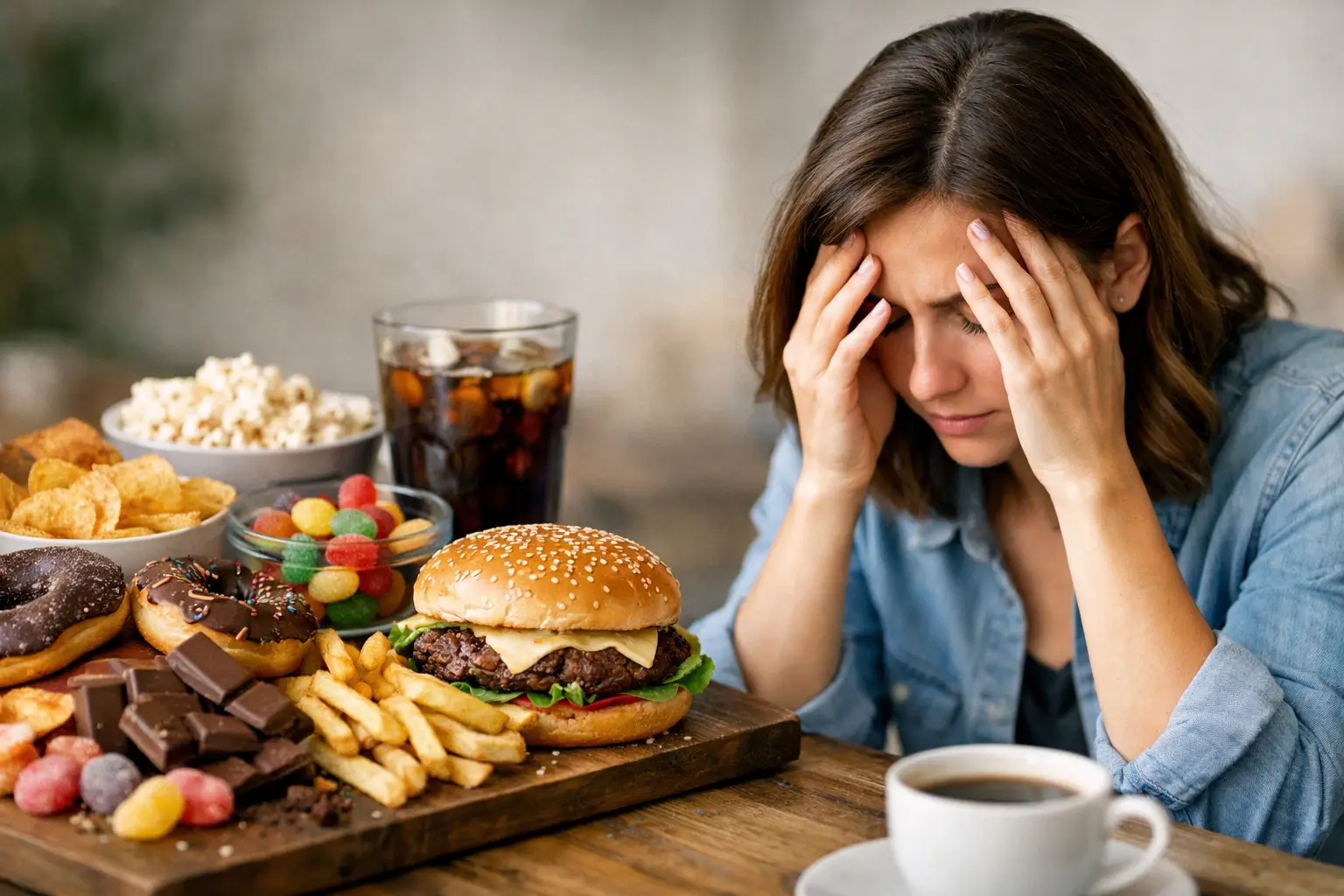
That mid-afternoon crash, the shaky feeling after too much coffee, the irritability that seems to come out of nowhere – food can play a bigger role than many people realize. Some of the worst foods for anxiety and stress can push blood sugar up and down, overstimulate the nervous system, or leave you feeling wired, tired, and emotionally off balance.
Food is not the only cause of anxiety, and changing your diet will not replace mental health care when you need it. But if your stress levels are already high, certain eating habits can make the problem feel louder. The good news is that once you know which foods tend to trigger symptoms, it becomes easier to make swaps that support a calmer day.
Worst Foods for Anxiety and Stress to Watch
Highly sugary foods are a major trouble spot. Candy, pastries, sweetened cereals, and many packaged snack bars can send blood sugar soaring fast, then dropping just as quickly. That crash may leave you feeling jittery, foggy, cranky, or suddenly drained. For some people, that roller coaster feels a lot like anxiety.
Sugary drinks can be even worse because they go down fast and do not offer much fiber or protein to slow absorption. Regular soda, sweet tea, energy drinks, and oversized coffee drinks can hit hard. If you notice a pattern of mood swings or nervous energy after sweet drinks, your body may be reacting to that sharp spike and crash.
Caffeine is another big one. Coffee can be fine in moderation for some adults, but too much can raise heart rate, increase sweating, disturb sleep, and create that on-edge feeling many people already associate with stress. Energy drinks are especially rough because they often combine high caffeine with large amounts of sugar. If you are prone to panic attacks or restlessness, this combination can be a bad fit.
Alcohol is often misunderstood here. Many people use it to take the edge off, and it can feel relaxing at first. The problem is what happens later. Alcohol can disrupt sleep quality, dehydrate you, and affect brain chemicals involved in mood regulation. The next day, you may feel more anxious, more tired, and less able to cope with everyday pressure.
Foods That Can Make Stress Feel Worse
Ultra-processed foods deserve attention too. Chips, fast food, instant noodles, packaged baked goods, and heavily processed frozen meals are often high in refined carbs, unhealthy fats, and sodium while being low in fiber and nutrients. They may be convenient, but a steady diet built around them can leave your body under-fueled in the ways that matter for mood, energy, and resilience.
Very salty foods can also be a problem for some people, especially if they contribute to dehydration or make you feel bloated and uncomfortable. Physical discomfort can feed emotional discomfort. When your body feels off, stress tends to feel harder to manage.
Artificially sweetened products are more of an it-depends category. Not everyone reacts the same way, but some people report headaches, digestive upset, or stronger cravings after using sugar-free drinks and snacks. If you notice that these products leave you feeling strange or unsatisfied, it may be worth cutting back and seeing how you feel.
Why These Foods Affect Mood
Your brain and body are constantly talking to each other. When you eat foods that spike blood sugar, flood your system with caffeine, or interfere with sleep, your nervous system has more work to do. That does not mean one cookie or one cup of coffee will automatically trigger anxiety. It means the overall pattern matters.
Sleep is a hidden piece of this puzzle. Foods and drinks that seem harmless during the day can affect how well you rest at night. Poor sleep can make stress feel bigger, patience shorter, and anxiety symptoms more intense. That is why late-day caffeine, alcohol before bed, and heavy sugary snacks at night are common troublemakers.
Better Swaps for a Calmer Day
You do not need a perfect diet. What helps most is aiming for steadier energy. Meals with protein, fiber, and healthy fats tend to digest more slowly and keep blood sugar more even. Think oatmeal with nuts, eggs with whole grain toast, yogurt with seeds, or a simple lunch with beans, chicken, vegetables, and brown rice.
If you want something sweet, pairing it with protein can help. If you rely on caffeine, try reducing the amount instead of quitting all at once. Herbal tea can be a helpful option for some people, especially in the afternoon or evening when coffee may interfere with sleep.
Hydration matters more than many people think. Even mild dehydration can leave you feeling tired, headachy, and irritable. Water, mineral water, and unsweetened herbal drinks are simple choices that support better balance through the day.
A Quick Reality Check
The worst foods for anxiety and stress are not the same for every person. One person may handle coffee well but feel terrible after a sugary breakfast. Another may notice that alcohol is the real trigger. Keeping a simple food and symptom journal for a week or two can help you spot your own patterns.
If anxiety feels frequent, intense, or hard to control, food is only one piece of the picture. Talk with a healthcare professional, especially if symptoms are affecting sleep, work, or daily life. Small food changes can help, but they work best as part of a bigger approach that includes rest, movement, stress management, and proper support.

