
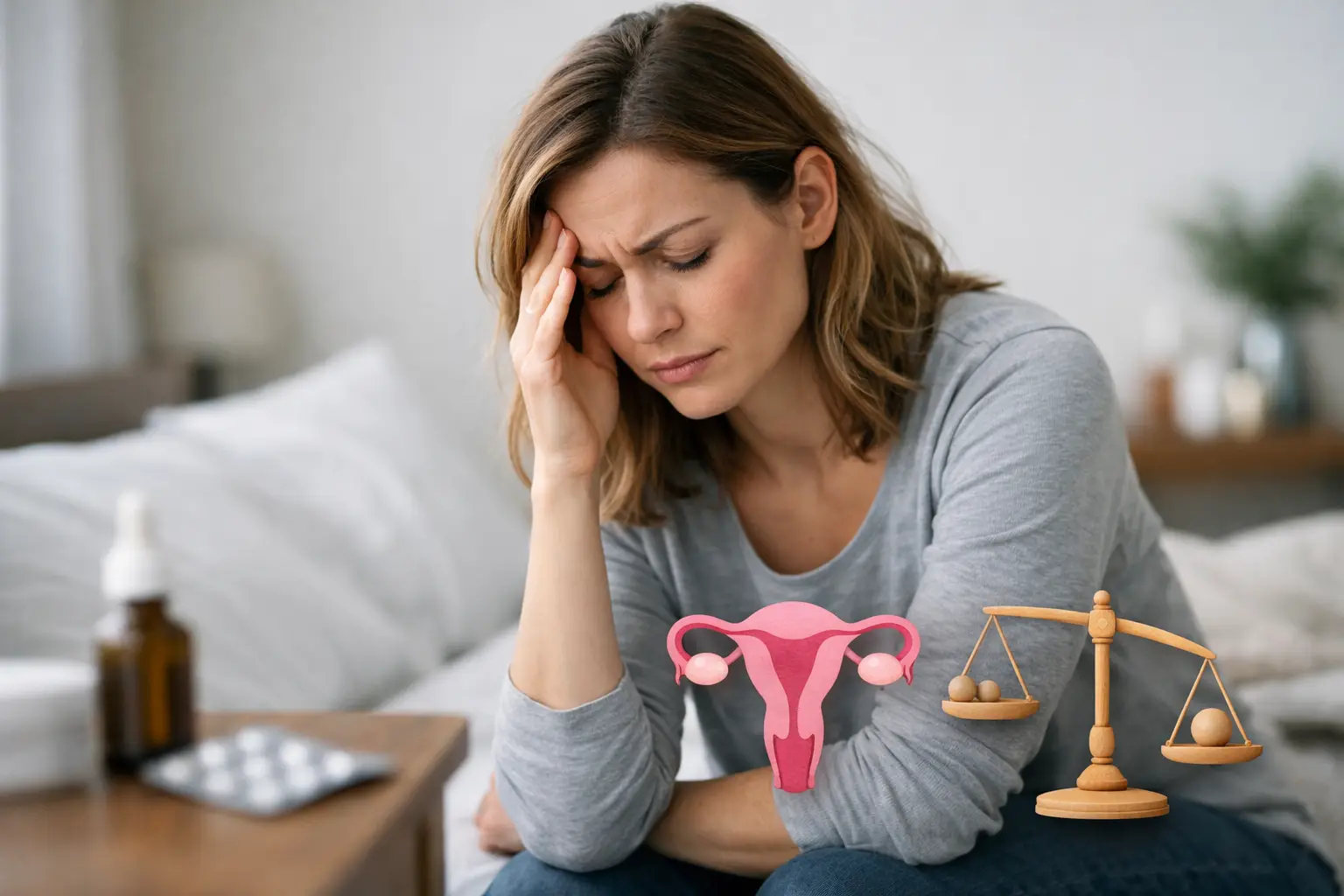
Feeling tired, moody, bloated, or suddenly dealing with stubborn weight changes? Hormonal imbalance signs can show up in ways that feel easy to dismiss at first. The tricky part is that hormones affect almost everything – energy, sleep, metabolism, skin, mood, periods, sex drive, and even digestion – so when they shift, your whole body can seem “off.”
Hormones are chemical messengers that help regulate key body functions. When one or more hormones rise too high or drop too low, symptoms can appear gradually or all at once. Not every bad week points to a hormone problem, but repeated patterns are worth paying attention to.
Common hormonal imbalance signs
One of the biggest clues is unexplained fatigue. If you are sleeping enough but still feel drained most days, hormones may be involved. Thyroid problems, high stress hormones, blood sugar swings, and changes in sex hormones can all affect energy levels.
Weight changes are another common sign. Gaining weight without major diet changes, especially around the abdomen, can happen with insulin issues, thyroid imbalance, or high cortisol from long-term stress. On the other hand, unexpected weight loss may also signal a hormone-related problem.
Mood changes matter too. Anxiety, irritability, low motivation, and feeling emotionally “off” can sometimes be linked to shifts in estrogen, progesterone, testosterone, thyroid hormones, or cortisol. Hormones do not explain every mental health symptom, but they can play a real role.
Sleep problems often show up early. Trouble falling asleep, waking in the middle of the night, or feeling unrested in the morning may be tied to stress hormones, blood sugar imbalance, or changes during perimenopause and menopause.
Skin and hair can also send signals. Acne that appears suddenly in adulthood, increased facial hair in women, thinning hair, or dry skin may point to hormone changes. Conditions such as polycystic ovary syndrome, thyroid disorders, and menopause can all affect appearance in noticeable ways.
Signs can look different in women and men
For women, irregular periods are one of the clearest warning signs. That can mean missed periods, very heavy bleeding, spotting between cycles, or cycles that suddenly become shorter or longer. Hot flashes, night sweats, vaginal dryness, breast tenderness, and lower sex drive may also suggest changing estrogen or progesterone levels.
For men, low testosterone can sometimes lead to reduced sex drive, erectile difficulties, lower muscle mass, fatigue, depressed mood, or trouble concentrating. These symptoms can overlap with aging, poor sleep, or stress, which is why self-diagnosing is not always straightforward.
In both men and women, changes in appetite, frequent cravings, constipation, diarrhea, and feeling unusually cold or overheated can sometimes reflect hormone issues as well.
What can cause these symptoms?
There is no single cause behind all hormonal imbalance signs. Common triggers include chronic stress, poor sleep, menopause, perimenopause, pregnancy, thyroid disorders, diabetes, PCOS, certain medications, and major weight changes. Sometimes the body is responding to lifestyle strain. Other times, there is an underlying medical condition that needs proper treatment.
This is where context matters. For example, feeling tired and gaining a few pounds during a stressful month is not the same as having months of fatigue, hair thinning, irregular periods, and constipation. A pattern that keeps repeating deserves a closer look.
When to stop guessing and get checked
If symptoms are intense, ongoing, or interfering with daily life, it is smart to talk with a healthcare professional. That is especially true if you have missed periods, very heavy bleeding, nipple discharge, rapid heartbeat, sudden weight changes, infertility concerns, or major mood changes.
A doctor may ask about your cycle, stress, sleep, eating habits, medications, and family history. In some cases, blood tests, urine tests, or imaging may help identify what is going on. Hormone symptoms overlap with many other issues, so testing can prevent a lot of guesswork.
Simple ways to support hormone health
Lifestyle changes will not fix every hormone disorder, but they can support your body and sometimes reduce milder symptoms. Sleep is a big one. A consistent sleep schedule helps regulate cortisol, appetite hormones, and blood sugar.
Eating balanced meals can also help. Regular meals with protein, fiber, healthy fats, and minimally processed carbs may support steadier energy and fewer cravings. Extreme dieting tends to backfire, especially when hormones are already under stress.
Stress management matters more than many people realize. Constant stress can affect cortisol, insulin, sleep, and reproductive hormones. Daily walks, breathwork, strength training, and cutting back on nonstop screen time can make a real difference.
Some people also explore natural wellness support such as herbal teas, mindful movement, or anti-inflammatory foods. These can be useful for general wellness, but herbs and supplements are not harmless for everyone. They can interact with medications or be the wrong fit for certain conditions, so it is worth being careful.
Don’t ignore the pattern
The biggest mistake is brushing symptoms off for too long. Hormonal imbalance signs are often subtle at first, but your body tends to repeat the message. If you keep noticing the same changes in your mood, sleep, weight, skin, cycle, or sex drive, write them down and take them seriously. Paying attention early can make it easier to find answers and feel like yourself again.

