
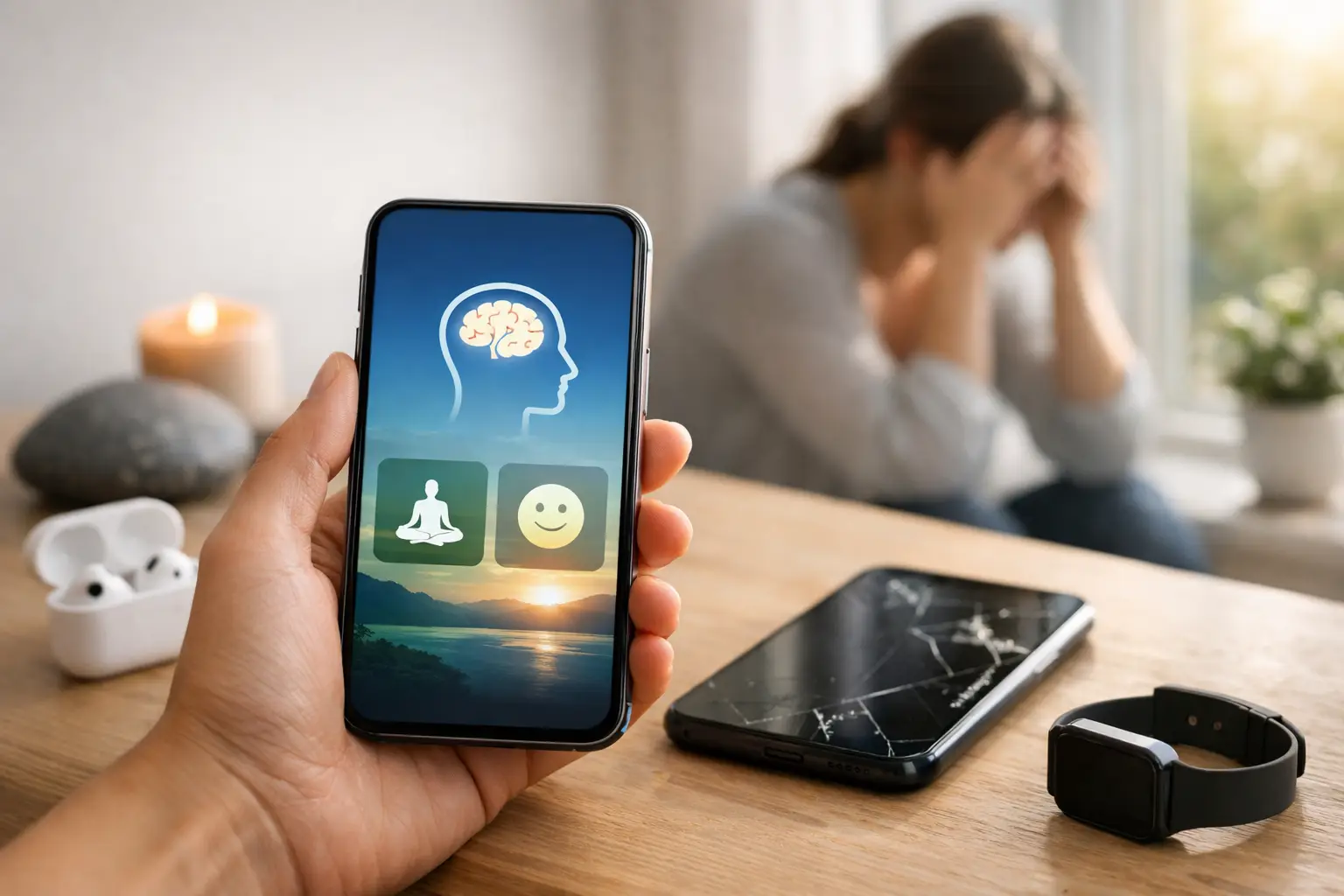
If your stress levels spike the moment your phone starts buzzing, it may sound strange that mental health apps could help. But for many people, the right app can make self-care easier, more consistent, and less intimidating than trying to figure everything out alone.
That said, not all apps deserve a spot on your home screen. Some offer useful tools for anxiety, sleep, mood tracking, and meditation. Others are little more than pretty screens, vague advice, and expensive subscriptions. If you are thinking about trying one, it helps to know what these apps can actually do – and what they cannot.
What mental health apps can do well
The biggest strength of mental health apps is convenience. You can use them at home, during a work break, before bed, or any time you feel overwhelmed. For people who are not ready for therapy, cannot afford it, or are stuck on a waiting list, an app may be a practical first step.
Many apps are designed to help with common problems like stress, anxious thoughts, poor sleep, low mood, and trouble focusing. Some guide you through breathing exercises or short meditations. Others use journaling prompts, cognitive behavioral therapy techniques, or mood logs that help you notice patterns over time.
This kind of support can be especially helpful if you want structure. A five-minute check-in, a sleep story, or a daily reminder to pause and breathe may sound simple, but small habits often matter more than dramatic one-time efforts.
Where mental health apps fall short
Apps can support mental wellness, but they are not a replacement for professional care when symptoms are severe, persistent, or unsafe. If someone is dealing with trauma, suicidal thoughts, panic attacks, major depression, substance use, or a mental health crisis, an app alone is not enough.
There is also a quality problem. Some apps are built with input from psychologists or backed by research. Others make big promises without much evidence. A calm voice and clean design do not automatically mean the advice is sound.
Privacy is another issue people often overlook. Mental health information is deeply personal. Before using any app, it is smart to check what data it collects, how it stores that data, and whether it shares information with advertisers or third parties.
How to choose mental health apps wisely
A good app should fit your real needs, not just your ideal routine. If you hate journaling, a mood diary app probably will not stick. If you struggle to sleep, you may benefit more from guided relaxation or bedtime audio than from motivational quotes.
Look for an app that is easy to use and specific about its purpose. The best mental health apps usually focus on one or two areas and do them well, whether that is meditation, CBT-based exercises, habit building, or emotional check-ins.
It also helps to look for signs of credibility. That may include licensed clinical advisors, research references, transparent privacy policies, and realistic claims. Be cautious with any app that says it can cure anxiety, replace therapy, or transform your mental health in a few days.
Cost matters too. Many apps start free and push users into paid plans quickly. Sometimes the paid version is worth it, but sometimes the free tools are enough. Try an app long enough to see whether you actually use it before committing to a subscription.
Features that may actually make a difference
Some app features are more useful than others. Personalized reminders can help you build a routine, but too many notifications can become annoying. Mood tracking can reveal connections between sleep, stress, food, and energy, but only if you use it consistently.
For many users, the most effective tools are the simplest ones: guided breathing, short meditations, grounding exercises, and sleep support. These are practical, easy to repeat, and useful during stressful moments. If your wellness routine also includes natural strategies like herbal tea at night, less caffeine, regular walks, or screen limits before bed, an app may work best as one piece of a bigger plan.
Who benefits most from these apps?
Mental health apps tend to work best for people with mild to moderate stress, anxiety, or sleep issues who want daily support. They can also help caregivers, busy parents, students, and adults trying to stay more aware of their emotional health.
They may be less effective for people who want deep personal feedback, have trouble staying motivated without human support, or are dealing with more serious symptoms. In those cases, an app can still be useful between therapy sessions, but it should not be the main source of care.
A smart way to use them
Think of an app as a tool, not a solution by itself. It can remind you to slow down, help you spot patterns, and make healthy habits easier to repeat. But your sleep, stress, movement, nutrition, social support, and medical care still matter just as much.
The best choice is usually the one you will actually use – and one that respects your privacy, avoids wild claims, and supports real-life habits that make you feel steadier day by day.

