
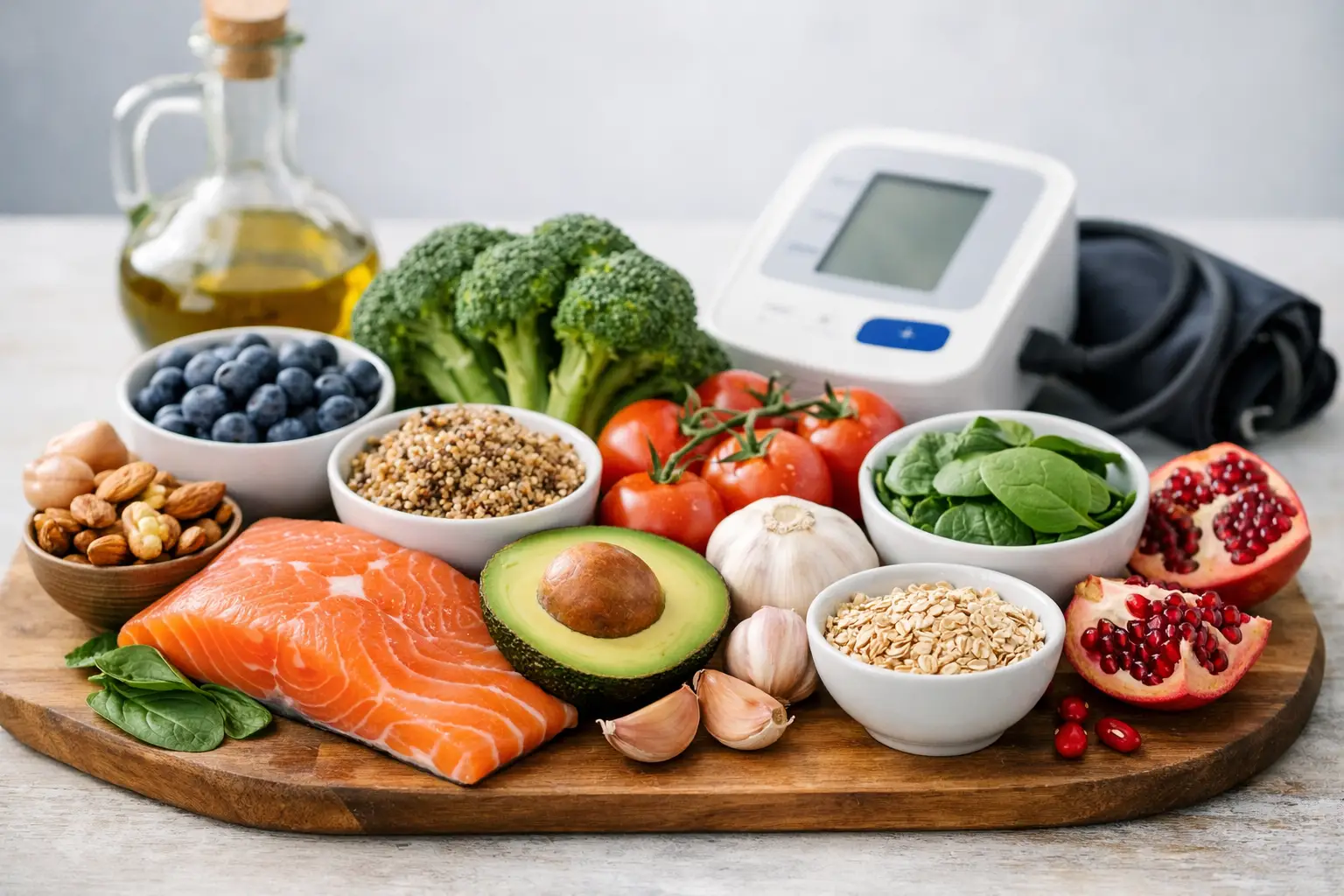
High blood pressure often builds quietly, but your plate can make a real difference. The right foods for high blood pressure will not cure hypertension overnight, yet they can help support healthier blood vessel function, improve fluid balance, and make your treatment plan work better.
If you have been told to “watch your salt,” that is only part of the story. Blood pressure-friendly eating is not just about avoiding certain foods. It is also about adding more of the foods that give your body potassium, magnesium, fiber, antioxidants, and healthy fats.
Why foods for high blood pressure matter
Blood pressure rises when your heart has to work harder to push blood through your arteries. Too much sodium, extra body weight, low activity, stress, alcohol, and genetics can all play a role. Food affects several of these factors at once.
Some foods help your body balance sodium. Others support the lining of your blood vessels, which helps them relax more easily. A better diet may also help with weight management, and even modest weight loss can improve blood pressure in some people.
That does not mean every “healthy” food helps equally. A smoothie loaded with sugary juice is different from whole fruit. A salty canned soup can cancel out some benefits of otherwise nutritious ingredients. The pattern matters more than any one superfood.
Best foods for high blood pressure to eat more often
Leafy greens deserve a top spot. Spinach, kale, collards, arugula, and Swiss chard are rich in potassium, which helps counterbalance sodium. Fresh or frozen options are usually better than canned versions, which may contain added salt.
Berries are another smart choice, especially blueberries and strawberries. They contain plant compounds called flavonoids that may support heart health and healthy circulation. They also give you sweetness without the sodium and saturated fat found in many packaged snacks.
Bananas get a lot of attention, and for good reason. They are an easy source of potassium and work well as a quick breakfast or snack. Still, they are not the only option. Oranges, cantaloupe, kiwi, and avocado can help too.
Beans and lentils bring a useful mix of potassium, magnesium, and fiber. That combination may help with blood pressure and fullness, which is helpful if weight loss is part of the goal. If you use canned beans, rinsing them can reduce some of the sodium.
Oats are one of the best breakfast foods for heart health. They contain soluble fiber, which may help improve cholesterol levels and support overall cardiovascular health. Plain oats are a better pick than flavored packets that often come with added sugar and sodium.
Fatty fish such as salmon, sardines, and trout provide omega-3 fats. These healthy fats may support heart function and help lower inflammation. Frying fish adds less helpful fats, so baked, grilled, or broiled is usually the better route.
Yogurt, especially plain low-fat yogurt, can also fit well. It offers calcium, protein, and in many cases potassium. Just check the label, because flavored varieties can be loaded with sugar.
Seeds and nuts, including pumpkin seeds, walnuts, almonds, and flaxseed, add magnesium and healthy fats. Portion size still matters because calories add up quickly, but a small handful is a far better snack than chips.
Beets are worth special mention. They contain natural nitrates, which the body can convert into compounds that help blood vessels relax. Some people enjoy roasted beets, while others prefer beet juice. If you choose juice, keep portions reasonable and watch for added sugars.
What to cut back on
Eating more helpful foods works best when you also reduce the biggest diet triggers. Processed meats, frozen dinners, salty snacks, canned soups, fast food, and restaurant meals are major sodium sources for many Americans. Even foods that do not taste very salty, like bread or bottled sauces, can add up fast.
Sugar matters too, especially in sweet drinks. Soda, energy drinks, and heavily sweetened coffee drinks can contribute to weight gain and poor heart health over time. Alcohol can raise blood pressure as well, particularly when intake is high.
Simple ways to build a blood pressure-friendly plate
A good meal does not have to be fancy. Oatmeal with berries and flaxseed works for breakfast. A lunch of salad greens, beans, avocado, and grilled chicken keeps things balanced. For dinner, salmon with roasted beets and steamed spinach is a strong choice.
If you are busy, focus on easy swaps. Choose unsalted nuts instead of chips. Use herbs, garlic, lemon, and spices instead of relying on the salt shaker. Buy plain yogurt instead of sweetened versions. Small changes repeated daily matter more than one perfect meal.
A quick note on herbs and natural support
Some people also look into garlic, hibiscus, or other herbal options for blood pressure support. These may have a place in a broader wellness routine, but they should not replace prescribed medication or medical advice. Natural does not always mean risk-free, especially if you take blood pressure medicine or diuretics.
If your numbers stay high, food is still only one part of the picture. Regular movement, better sleep, stress control, and taking medication as directed can all work together. Start with your next meal, not a perfect plan, and give your heart something helpful to work with.

