
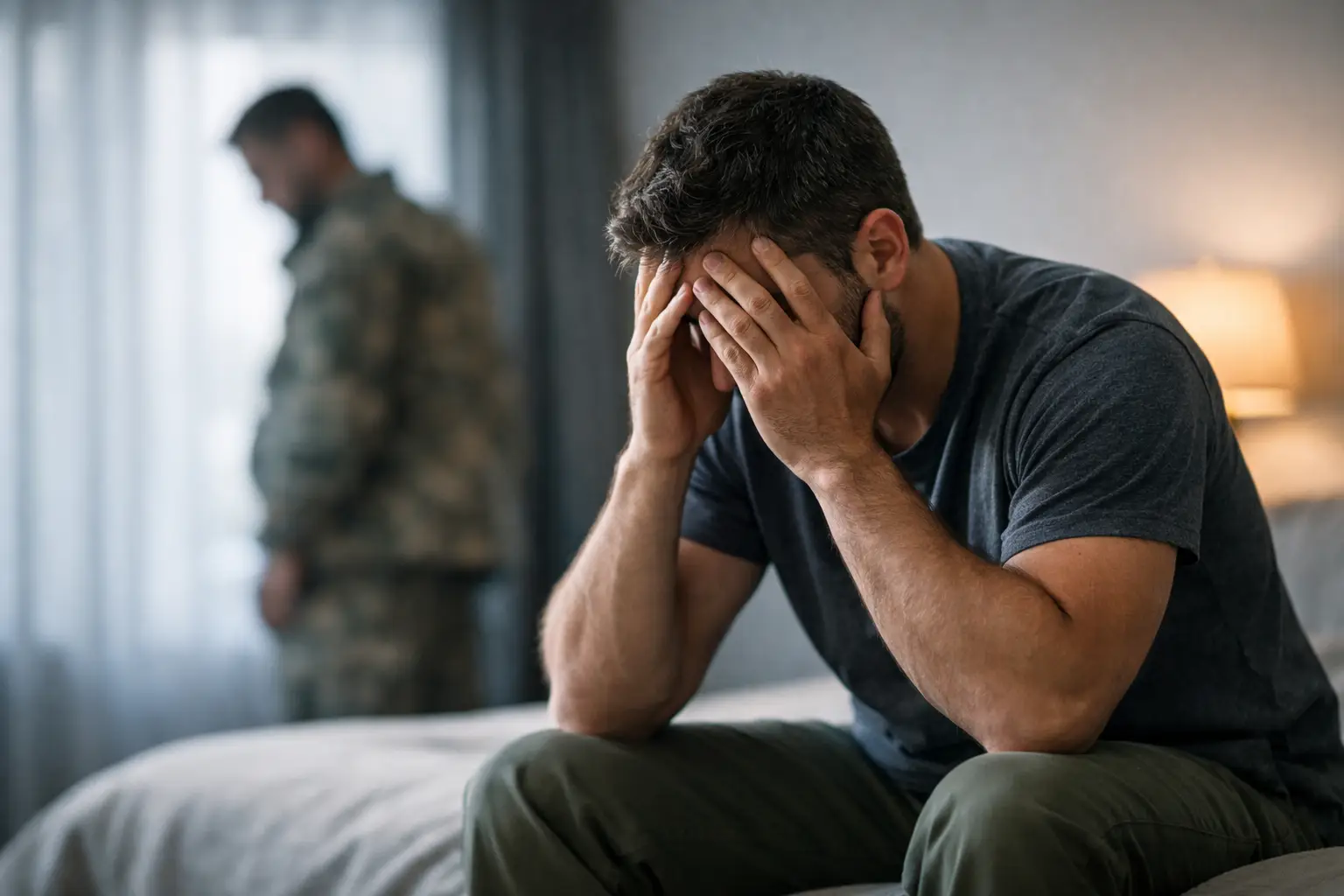
PTSD symptoms can show up long after a frightening or life-threatening event, and they do not always look the way people expect. Many adults assume post-traumatic stress disorder only affects combat veterans, but it can also follow car accidents, abuse, assault, medical trauma, natural disasters, or the sudden loss of a loved one. If stress feels stuck on high alert and everyday life has started to feel harder, it may be more than ordinary anxiety.
What are PTSD symptoms?
PTSD is a mental health condition that can develop after experiencing or witnessing trauma. The symptoms usually last more than a month and interfere with sleep, work, relationships, or daily routines. Some people notice problems right away. Others do not connect their symptoms to trauma until months later.
The most common pattern falls into four groups: reliving the trauma, avoiding reminders, changes in mood and thinking, and feeling constantly on edge. Not everyone has the same mix, and symptoms can come and go depending on stress, sleep, and life circumstances.
Common PTSD symptoms in daily life
Reliving symptoms are often the most recognizable. A person may have intrusive memories, nightmares, or flashbacks that make the event feel as if it is happening again. Even a smell, sound, place, or date on the calendar can trigger a strong physical and emotional reaction.
Avoidance is another major sign. This can mean staying away from people, conversations, activities, or locations that bring up painful memories. Sometimes avoidance is less obvious. A person may stay constantly busy, numb out with screens, or shut down emotionally rather than face what happened.
Mood and thinking changes can be easy to mistake for depression, burnout, or a personality shift. Someone with PTSD may feel guilt, shame, fear, anger, or hopelessness. They may lose interest in hobbies, feel detached from loved ones, or struggle to remember parts of the traumatic event. In some cases, the brain stays focused on danger, making it hard to trust others or feel safe.
Hyperarousal symptoms affect the body as much as the mind. These include being easily startled, feeling tense, having trouble sleeping, snapping in anger, or staying constantly watchful. Some people describe it as feeling like their nervous system never powers down.
PTSD symptoms vs normal stress
After a scary event, stress reactions are common. Trouble sleeping, jumpiness, or feeling emotional for a few days or weeks does not automatically mean PTSD. The difference is persistence and impact.
If symptoms continue for more than a month, feel intense, or begin interfering with daily life, it is time to take them seriously. For example, missing work because of panic, avoiding driving after a crash, or pulling away from family because reminders feel overwhelming are signs that more support may be needed.
Signs that are often missed
Not all PTSD symptoms are dramatic. Some are subtle and often overlooked. Irritability, stomach upset, chronic tension, headaches, fatigue, and poor concentration can all be part of the picture. People may also turn to alcohol, drugs, overeating, or other coping habits to get through the day.
In adults, trauma can also show up as perfectionism, emotional numbness, or a constant need to control the environment. These responses may look functional on the outside, but they can be exhausting over time.
When to get help
You do not need to wait until symptoms become severe. If trauma symptoms are affecting sleep, relationships, work, parenting, or your sense of safety, a mental health professional can help. Early support may reduce the chance of symptoms becoming more deeply rooted.
Urgent help is especially important if there are panic attacks, self-harm thoughts, substance misuse, or feelings of hopelessness. PTSD is treatable, and getting help is a sign of strength, not weakness.
What treatment and support can look like
Treatment often includes trauma-focused therapy, which helps the brain process what happened in a safer and more organized way. Some people also benefit from medication, especially when PTSD overlaps with anxiety, depression, or sleep problems. The right plan depends on the person, the type of trauma, and how long symptoms have been present.
Lifestyle support matters too, although it does not replace professional care. Regular sleep habits, gentle movement, limiting alcohol, and building a sense of routine can help calm the nervous system. Some people find added comfort in relaxation practices like deep breathing, mindfulness, journaling, or herbal teas used for stress support. Natural approaches may be helpful for general wellness, but they should be seen as supportive tools, not a stand-alone treatment for PTSD.
Talking to a trusted friend, partner, or support group can also reduce the isolation that trauma often creates. Healing usually happens faster when people feel safe, believed, and supported.
A quick word for caregivers and loved ones
If someone you care about seems different after trauma, try not to pressure them to “just move on.” PTSD symptoms are not a choice, and recovery is rarely linear. Listening without judgment, encouraging professional help, and being patient with setbacks can make a real difference.
Trauma can leave the mind and body stuck in survival mode, but that does not mean a person is broken. With the right support, many people learn to manage symptoms, feel safer in their bodies, and regain pieces of life that trauma tried to take away.

