
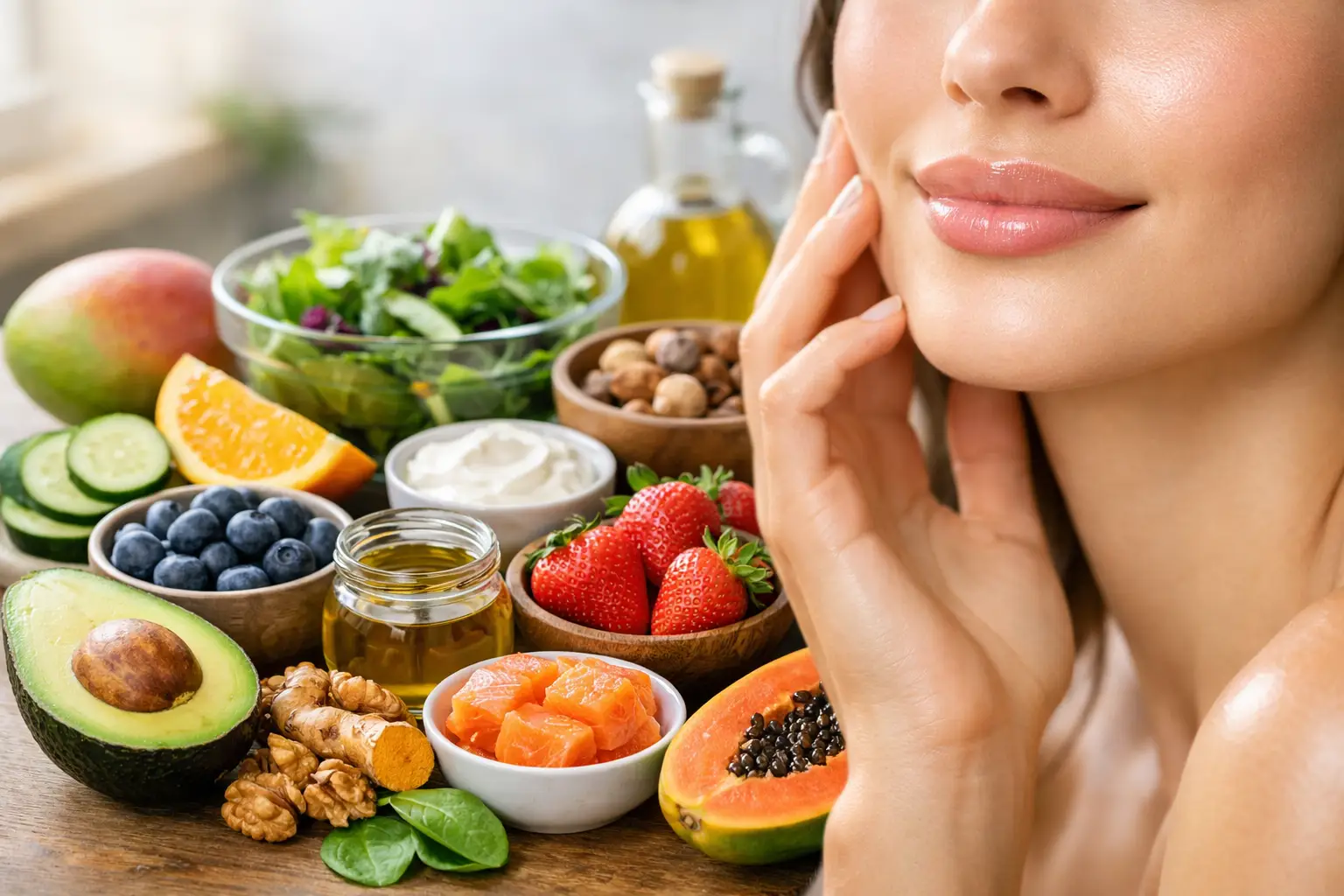
Dull, tired-looking skin does not always start in your skincare bag. Often, it starts on your plate. If you have been searching for Foods That Make Your Skin Glow, the good news is that everyday meals can support brighter, healthier-looking skin from the inside out.
Your skin is constantly repairing itself. To do that well, it needs water, healthy fats, protein, and a steady supply of vitamins, minerals, and antioxidants. No single food can erase breakouts, dryness, or fine lines overnight, but the right mix of nutrients can help your skin hold moisture, fight stress from sun and pollution, and maintain a smoother, more even appearance over time.
Why foods that make your skin glow can actually help
Skin health is closely tied to nutrition. Collagen production depends on nutrients like vitamin C, zinc, and protein. Your skin barrier, which helps keep moisture in and irritants out, needs healthy fats to stay strong. Antioxidants also matter because they help reduce oxidative stress, a process that can speed up visible skin aging.
That said, glowing skin is not just about eating “clean.” Sleep, stress, hormones, sun exposure, smoking, and skincare habits all play a role. Food is one part of the picture, but it is a powerful one because you make those choices every day.
12 foods that make your skin glow naturally
1. Avocados
Avocados are rich in healthy monounsaturated fats, which help support the skin barrier. When your skin barrier is stronger, your skin is better able to stay soft, smooth, and hydrated. Avocados also contain vitamin E, an antioxidant that helps protect skin cells from damage.
If your skin tends to feel dry or tight, adding avocado to salads, toast, or grain bowls can be a simple move. It is calorie-dense, though, so portion size still matters if you are watching weight.
2. Fatty fish
Salmon, sardines, mackerel, and trout are some of the best sources of omega-3 fats. These fats may help reduce inflammation, which is useful because inflammation can show up as redness, irritation, or worsening acne in some people. Fatty fish also provides protein and selenium, both of which support skin repair.
For many adults, eating fish two times a week is a realistic goal. If you do not eat seafood, you may need to be more intentional about getting similar nutrients from other foods.
3. Sweet potatoes
Sweet potatoes are packed with beta-carotene, a plant pigment your body converts into vitamin A. This nutrient supports normal skin cell turnover and may help protect skin from dryness. Beta-carotene also acts like a natural internal defense against some sun-related damage, although it does not replace sunscreen.
Roasted sweet potatoes, mashed sweet potatoes, or even baked wedges can make this an easy regular habit.
4. Berries
Blueberries, strawberries, raspberries, and blackberries are loaded with antioxidants, especially vitamin C. That matters because vitamin C helps your body make collagen, the structural protein that keeps skin looking firmer and more resilient.
Berries are also one of the easiest skin-friendly foods to add to breakfast or snacks. Fresh or frozen both work well, and frozen berries are often cheaper.
5. Tomatoes
Tomatoes contain lycopene, an antioxidant linked to skin protection. Lycopene may help reduce some of the damage triggered by UV exposure and environmental stress. Tomatoes also bring vitamin C to the table, which supports collagen formation.
Cooked tomatoes can be especially helpful because lycopene becomes easier for the body to absorb. Tomato sauce, soup, and stewed tomatoes all count.
6. Nuts and seeds
Almonds, walnuts, sunflower seeds, chia seeds, and flaxseeds offer a useful combination of healthy fats, vitamin E, zinc, and selenium. These nutrients help maintain the skin barrier and support healing.
Walnuts and flaxseeds are especially interesting because they provide plant omega-3s. They are not identical to the omega-3s in fish, but they are still a smart addition to a glow-focused diet. Just keep portions reasonable since nuts and seeds can add up quickly in calories.
7. Bell peppers
Bell peppers, especially red and yellow ones, are among the best sources of vitamin C. They also contain carotenoids, which may support skin color and help defend against oxidative stress.
The nice thing about bell peppers is how easy they are to use raw or cooked. Slice them into salads, stir-fries, omelets, or snack plates. If citrus is not your favorite, peppers are an excellent way to get more vitamin C.
8. Leafy greens
Spinach, kale, Swiss chard, and collard greens deliver vitamins A, C, and K along with folate and other protective plant compounds. These nutrients support skin renewal and may help reduce the effects of everyday environmental stress.
Leafy greens are not magic, but they are one of the most reliable foods for overall wellness. Since skin often reflects general health, greens are worth keeping in regular rotation.
9. Citrus fruit
Oranges, grapefruit, lemons, and limes are well known for vitamin C, and that is exactly why they deserve a place here. Vitamin C helps build collagen and supports wound healing. It also works as an antioxidant, helping protect cells from damage.
Whole fruit is better than sugary juice for most people because it gives you fiber and is less likely to spike blood sugar quickly. That matters since repeated blood sugar swings may worsen skin issues for some individuals.
10. Yogurt and kefir
Plain yogurt and kefir provide protein and can supply probiotics, depending on the product. There is growing interest in the gut-skin connection, which suggests that gut health may influence inflammation and certain skin conditions.
This does not mean dairy works for everyone. Some people notice that certain dairy foods seem to worsen acne, while others do fine. If yogurt agrees with you, choose plain versions and add fruit yourself rather than buying heavily sweetened options.
11. Green tea
Green tea is not technically a food, but it deserves a spot because many people drink it daily. It contains polyphenols, especially catechins, which may help reduce inflammation and support the skin against environmental stress.
If your usual drinks are mostly soda or sugary coffee beverages, swapping one of them for unsweetened green tea could benefit both your skin and your overall health.
12. Water-rich foods
Cucumbers, watermelon, celery, lettuce, and oranges can help with hydration. Hydrated skin often looks plumper and less dull. Drinking enough water matters, but foods with high water content can contribute too.
Hydration alone will not fix every skin issue, especially if your barrier is damaged or your environment is very dry. Still, people often underestimate how much brighter skin can look when basic hydration improves.
What to eat less of if your skin looks dull
Adding nourishing foods helps, but what you regularly overdo can matter too. Diets high in ultra-processed snacks, added sugar, and heavily fried foods may increase inflammation in some people. For acne-prone individuals, high-glycemic foods such as sugary drinks, candy, and refined carbs may be part of the problem.
This does not mean you need a perfect diet. It means patterns matter more than one dessert or one fast-food meal. If your skin feels reactive, reducing the foods you eat every day that are low in nutrients may help more than chasing expensive beauty products.
How to build meals around foods that make your skin glow
The easiest approach is not to hunt for one superfood. It is to combine skin-supporting nutrients throughout the day. Breakfast could be plain yogurt with berries and chia seeds. Lunch might be a salmon salad with leafy greens, tomatoes, and avocado. Dinner could include roasted sweet potatoes, sautéed spinach, and grilled chicken or beans for protein.
That combination gives your body several things your skin needs at once: antioxidants, healthy fats, hydration, and protein. This is usually more effective than relying on supplements unless your doctor has identified a deficiency.
A few realistic expectations before you change your diet
Food can support glowing skin, but it works gradually. Most people need several weeks of steady habits before they notice meaningful changes. Skin concerns like eczema, rosacea, cystic acne, or sudden rashes may need medical care, not just dietary tweaks.
It also helps to remember that “glow” looks different from person to person. For one person, it means less dryness. For another, it means fewer breakouts or a more even tone. Better skin is often about consistent basics, not dramatic transformations.
If you want a practical place to start, eat more colorful produce, include healthy fats, choose enough protein, and drink more water instead of sugary beverages. Small changes done daily usually beat big changes that last a week.

