
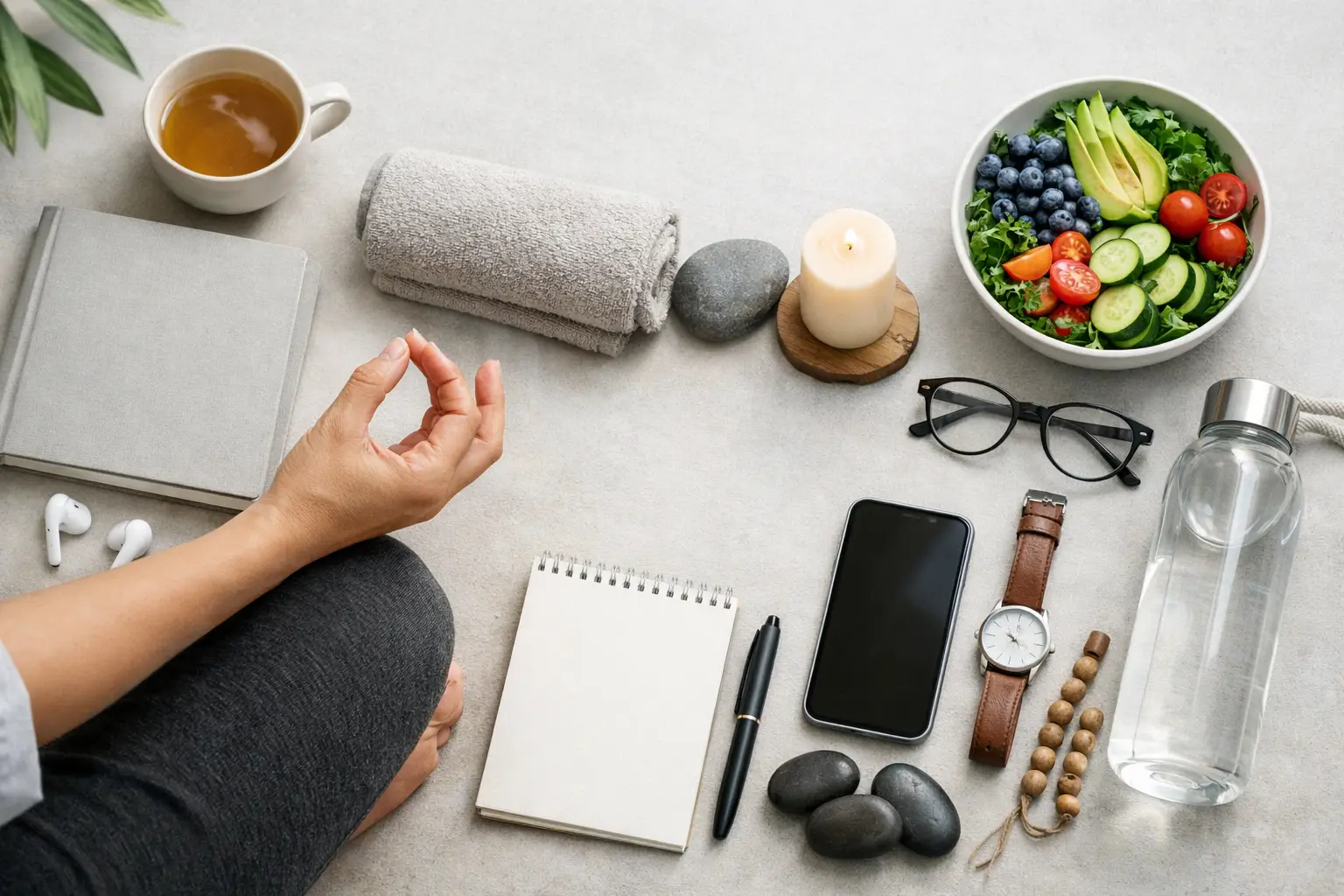
Stress rarely shows up as one dramatic moment. More often, it looks like waking up already tense, rushing through breakfast, checking your phone too early, snapping at someone by noon, and then lying awake at night with your mind still racing. That is why daily habits for lower stress matter so much. Small routines shape how your body and mind handle pressure long before things feel overwhelming.
If you are waiting until you feel burned out to take stress seriously, you are already behind. The good news is that stress relief does not have to mean expensive wellness gadgets, long meditation retreats, or changing your whole life overnight. A few steady habits can lower your baseline stress, improve your mood, and make everyday problems feel more manageable.
Why daily habits for lower stress work better than quick fixes
Quick fixes can help in the moment. A breathing app, a cup of tea, or a short walk can calm you down when the day goes sideways. But chronic stress usually comes from repeated patterns – too little sleep, too much stimulation, poor meal timing, no downtime, and a nervous system that never really gets a break.
Daily habits work because they train your body to spend less time in fight-or-flight mode. Over time, your heart rate, sleep quality, energy, and focus can all improve. That does not mean stress disappears. It means your system becomes less reactive and more resilient.
There is one important trade-off here. Healthy routines help, but they are not a substitute for mental health care, medical treatment, or support during major life stress. If stress is causing panic attacks, constant insomnia, depression, chest pain, or trouble functioning, it is smart to talk with a healthcare professional.
Start with your morning, not your breaking point
The first hour of the day often sets the tone for everything that follows. If your morning begins with alarms, headlines, emails, and caffeine on an empty stomach, your stress response gets an early kick. Many people feel “bad at handling stress” when they are really just running on a stressful setup.
Try giving yourself a slower opening. That does not require a perfect morning routine. Even 10 to 15 minutes without news alerts or social media can help. Open the blinds, drink water, stretch a little, or sit quietly while your brain catches up.
If mornings are chaotic because of kids, work schedules, or caregiving, aim for realistic calm instead of ideal calm. Preparing clothes, lunches, or a simple breakfast the night before can reduce decision fatigue and morning friction.
Move your body before stress builds up
Exercise is one of the most reliable daily habits for lower stress because it helps your body process tension instead of storing it. Movement lowers stress hormones, supports better sleep, and can improve mood fairly quickly.
This does not mean you need intense workouts every day. For some people, hard exercise feels energizing. For others, it adds more strain, especially if they are already exhausted. A brisk walk, gentle yoga, stretching, dancing in the kitchen, or 20 minutes of strength training can all count.
The best type of movement is the one you will actually repeat. If your schedule is packed, short sessions still help. Ten minutes in the morning and ten after dinner can do more for your stress than one big workout you keep postponing.
Eat in a way that keeps your energy steady
Stress and food have a two-way relationship. High stress can push you toward sugar, skipping meals, overeating, or constant snacking. At the same time, blood sugar crashes can make you feel shaky, irritable, foggy, and more anxious.
A steady eating pattern can make a real difference. Try not to go too long without food, especially if you know you get edgy or drained when hungry. Meals that include protein, fiber, and healthy fats tend to support more stable energy than grabbing carbs alone.
This is also where caffeine deserves an honest look. Coffee is not the enemy for everyone, but too much caffeine, especially on little sleep or an empty stomach, can mimic stress symptoms. If you feel wired, jittery, or strangely on edge by late morning, cutting back may help more than you expect.
Some readers also find support from calming rituals around food and herbs. A warm evening tea, a lighter dinner, or simply sitting down to eat without multitasking can send your body a useful message: you are safe enough to slow down.
Protect your sleep like it affects everything – because it does
Poor sleep makes stress hit harder. When you are sleep-deprived, minor problems feel major, patience drops, cravings rise, and focus gets worse. Then stress makes it harder to sleep, which creates a frustrating loop.
A consistent bedtime and wake time can be more powerful than chasing the perfect sleep hack. Your body likes rhythm. Try keeping your evening routine simple and repeatable – dimmer lights, less screen time, a cooler bedroom, and a set wind-down window instead of working or scrolling until you crash.
If your mind speeds up at night, do not fight it with more stimulation. A paper notebook beside the bed can help you unload tomorrow’s tasks. Some people also benefit from gentle breathwork, quiet music, or reading a few pages of something calm.
Cut back on constant input
A stressed brain does not always need more information. It often needs less. Many adults spend the day jumping between texts, email, social feeds, headlines, and background noise without realizing how much mental tension that creates.
You do not need to disappear from the internet to feel better. But putting boundaries around input can lower stress fast. Consider delaying social media until after breakfast, turning off nonessential notifications, or setting two or three specific times a day to check messages instead of reacting all day long.
This habit matters because stress is not only about bad events. It is also about overload. Too much input leaves your nervous system with no real recovery time.
Build a short reset into the middle of the day
Many people try to power through stress until evening, then wonder why they are drained and irritable. A better approach is to interrupt the buildup earlier.
A reset does not need to be dramatic. Step outside for five minutes. Breathe slowly for one minute before your next meeting. Eat lunch away from your desk. Wash your hands with warm water and consciously relax your shoulders. These tiny pauses can stop stress from stacking up hour after hour.
If you tend to forget, connect the reset to something you already do every day, like after lunch or before picking up your kids. Habits stick more easily when they are attached to real life.
Keep your body hydrated and your evenings lighter
Dehydration can sneak into stress symptoms. Headaches, fatigue, poor concentration, and irritability can all get worse when you are not drinking enough water. It sounds basic, but basic habits are often the ones people skip.
Keeping a water bottle nearby can help, but timing matters too. If you barely drink all day and then load up at night, sleep may suffer from repeated bathroom trips. Spread fluids through the day and ease up closer to bedtime if that is an issue for you.
Evenings also tend to become a dumping ground for everything there was no time for earlier – heavy meals, alcohol, doomscrolling, unfinished work, and emotional conversations right before bed. A lighter evening often leads to a calmer night, and that sets up a less stressed tomorrow.
Use connection as a stress tool, not an afterthought
Stress can make people withdraw, but healthy connection is one of the strongest buffers against it. A short conversation with someone you trust can calm your body in ways that scrolling, snacking, or pushing through often cannot.
This does not mean you need more social obligations. In fact, too many commitments can be a stress source of their own. The goal is meaningful contact, not a packed calendar. A check-in with a friend, dinner with family, or even a few minutes of real conversation can help you feel less alone in what you are carrying.
For caregivers and busy adults, this habit often gets pushed aside first. That is exactly why it deserves more attention.
Try a simple herbal or calming ritual
For readers interested in natural support, a calming ritual can be a useful part of a lower-stress routine. This might be an evening cup of caffeine-free herbal tea, a warm shower, gentle stretching, or quiet time with a journal. The ritual itself matters as much as the ingredient because repetition teaches your brain what to expect.
Herbal options can be appealing, but natural does not always mean risk-free. Some herbs may interact with medications, affect sleep differently from person to person, or be a poor fit during pregnancy or certain health conditions. If you take prescription drugs or manage a chronic illness, it is worth checking before adding new supplements.
At Herbafama, the best approach is usually the simplest one first: use natural supports to reinforce healthy habits, not to cover up a lifestyle that is running on empty.
Lower stress by doing less, not just doing better
One of the most overlooked habits is reducing what should not be on your plate in the first place. Better planning helps, but sometimes the real answer is fewer commitments, fewer tabs open, fewer unnecessary decisions, and lower expectations for being available all the time.
That can feel uncomfortable at first, especially if you are used to saying yes, staying productive, and handling everything. But stress management is not only about becoming more efficient. Sometimes it is about creating enough space for your nervous system to breathe.
If you want a realistic place to begin, pick two habits instead of ten. Choose one that helps your body, like walking or better sleep timing, and one that helps your mind, like less phone time in the morning or a mid-day reset. Repeat them for a week before adding more.
A calmer life usually does not come from one big breakthrough. It comes from ordinary choices that make your days feel less like an emergency.


Great content! Keep up the good work!