



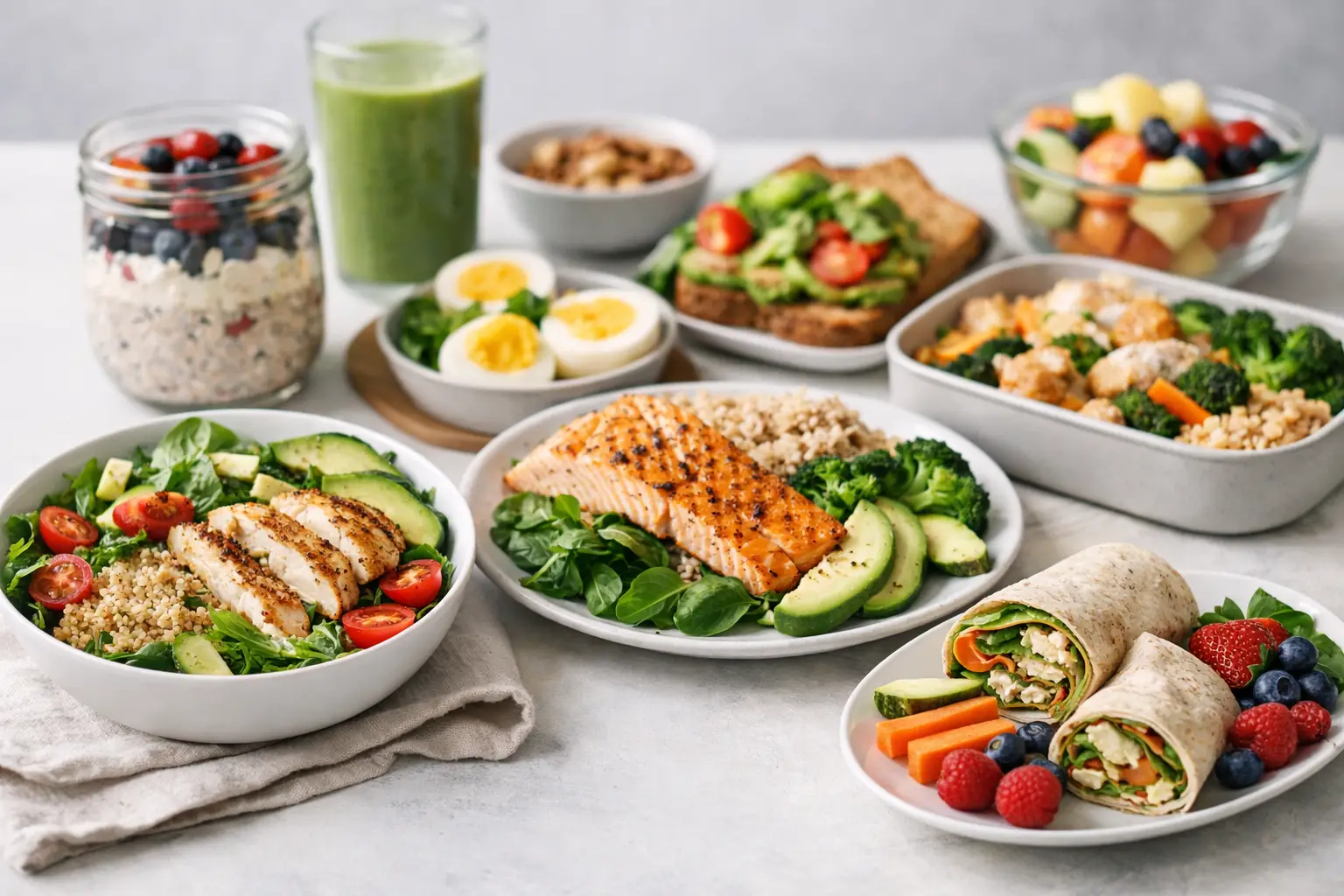
Meal planning sounds simple until real life gets involved. You start the week with good intentions, then busy mornings, takeout cravings, and random snack dinners take over. That is why healthy meal plan examples can be so helpful – they turn vague goals like “eat better” into actual breakfasts, lunches, dinners, and snacks you can follow.
The good news is that a healthy meal plan does not need to be expensive, rigid, or perfect. For most adults, the best plan is one that includes a balance of protein, fiber-rich carbs, healthy fats, and plenty of fruits or vegetables while still fitting your schedule, budget, and food preferences. If you like natural wellness, this is also where simple whole foods, herbs, spices, and minimally processed ingredients can make everyday meals feel a lot better.
What makes a meal plan healthy?
A healthy meal plan is less about following food trends and more about building meals that support energy, digestion, weight management, and long-term health. In plain terms, it usually means your plate includes a good source of protein, some high-fiber carbohydrate foods, healthy fat, and produce.
For example, oatmeal with berries and nuts works better than a sugary pastry because it is more filling and steadier on blood sugar. A lunch with grilled chicken, quinoa, and vegetables will often keep you satisfied longer than chips and a sandwich made mostly from refined bread. The pattern matters more than one perfect meal.
It also helps to think beyond calories alone. Some people need higher protein for fullness. Others need lower sodium for blood pressure or more fiber for digestion. If you live with diabetes, heart disease, kidney disease, food allergies, or digestive conditions, your ideal plan may need adjustments from a doctor or registered dietitian.
Healthy meal plan examples for different goals
The easiest way to find a plan that works is to match it to your real life. A single person trying to lose weight does not need the same plan as a busy parent feeding a family of four.
1. A simple balanced day for general health
This is a strong starting point if you want to eat better without overthinking every bite.
Breakfast could be Greek yogurt with berries, chia seeds, and a small handful of walnuts. Lunch might be a turkey and avocado wrap with a side salad. Dinner could be baked salmon, brown rice, and roasted broccoli. For snacks, try an apple with peanut butter or sliced cucumbers with hummus.
This kind of day works because it spreads protein across meals, includes fiber, and keeps ultra-processed foods in check. It is simple enough for most adults to repeat during a busy week.
2. A meal plan for weight loss without extreme restriction
Many people think weight loss meal planning means eating tiny portions and feeling hungry all day. That usually backfires. A better approach is to build filling meals with lean protein, vegetables, and smart portions of carbs and fats.
Breakfast could be scrambled eggs with spinach and one slice of whole-grain toast. Lunch might be a big salad with grilled chicken, chickpeas, mixed vegetables, and olive oil vinaigrette. Dinner could be ground turkey stir-fry with mixed vegetables and cauliflower rice or a modest serving of brown rice. Snacks may include cottage cheese, berries, or a boiled egg.
The trade-off here is that some people do better with a little more carbohydrate, especially if they are active. If you cut carbs too hard, energy and mood can dip. Weight loss plans should feel sustainable, not punishing.
3. A family-friendly meal plan
If you are feeding multiple people, the healthiest plan is often the one everyone will actually eat. That means using familiar foods and improving the balance instead of cooking separate meals.
Breakfast might be oatmeal topped with banana slices and cinnamon, plus milk or fortified plant milk. Lunch could be whole-grain sandwiches with turkey, cheese, lettuce, and baby carrots on the side. Dinner might be chicken tacos with black beans, salsa, avocado, and shredded lettuce. Snacks can include string cheese, fruit, popcorn, or yogurt.
This approach keeps meals practical and kid-friendly while still covering key nutrition basics. You do not have to serve exotic ingredients to eat well.
4. A meal plan for busy workweeks
When time is tight, healthy eating depends on repeatable meals. This is where meal prep helps most.
Breakfast could be overnight oats made in jars for three days at a time. Lunch may be prepped grain bowls with chicken or tofu, roasted vegetables, and a tahini or olive oil dressing. Dinner could rotate between sheet-pan chicken and vegetables, bean chili, and simple pasta with sautéed vegetables and lean protein. Snacks might be nuts, fruit, and hard-boiled eggs.
The benefit is convenience. The downside is boredom if you repeat the same thing too long. Rotating sauces, herbs, and vegetables can keep meals interesting without adding much work.
5. A plant-forward meal plan
You do not have to be fully vegetarian to benefit from a plant-forward plan. Eating more beans, lentils, vegetables, fruit, nuts, seeds, and whole grains can support heart health and digestion.
Breakfast could be avocado toast on whole-grain bread with hemp seeds and tomato. Lunch might be lentil soup with a mixed greens salad. Dinner could be a tofu and vegetable stir-fry with quinoa. Snacks may include roasted chickpeas, fruit, or a smoothie with spinach and flaxseed.
This style of eating can be high in fiber and nutrients, but it takes a little planning to get enough protein, iron, vitamin B12, and omega-3 fats if you eat very little animal food. Variety matters.
6. A lower-carb meal plan
Some people feel better with fewer refined carbs, especially if they are trying to improve blood sugar control or reduce snacking. Lower-carb does not have to mean zero-carb.
Breakfast could be an omelet with mushrooms, peppers, and cheese. Lunch might be tuna salad over greens with cucumber and olives. Dinner could be grilled chicken thighs with roasted Brussels sprouts and mashed cauliflower. Snacks can include nuts, celery with almond butter, or plain yogurt.
This plan may help fullness and reduce sugar crashes for some readers. Still, it is not ideal for everyone. Highly active people may need more carbohydrates for performance and recovery.
7. A budget-friendly healthy meal plan
Healthy eating does not have to revolve around expensive specialty products. Some of the most affordable foods are also very nutritious.
Breakfast might be oatmeal with peanut butter and banana. Lunch could be bean and rice bowls with salsa and cabbage slaw. Dinner may be baked chicken drumsticks, sweet potatoes, and frozen green beans. Snacks can include carrots, apples, or plain popcorn.
Buying frozen vegetables, canned beans, eggs, oats, potatoes, and in-season produce can lower costs without lowering quality. The smartest budget meal plans focus on basics, not trendy packaging.
How to build your own healthy meal plan examples
If none of these fit perfectly, use them as a blueprint. Start with your week, not with recipes. Ask yourself how many breakfasts, lunches, dinners, and snacks you actually need at home. Then build around your schedule.
A simple formula works well. Pick two breakfast options, two lunches, and three dinners for the week. Add snacks you know you will eat. This keeps shopping manageable and cuts food waste.
It also helps to anchor each meal around protein first. Eggs, yogurt, chicken, fish, tofu, beans, lentils, cottage cheese, and lean meats are all useful options. Then add a fiber-rich carb like oats, fruit, potatoes, rice, quinoa, or whole-grain bread. Finish with vegetables and a healthy fat such as olive oil, avocado, seeds, or nuts.
Herbs and spices can do more than improve taste. Garlic, ginger, turmeric, cinnamon, basil, rosemary, and parsley can make healthy meals more appealing, which matters if you are trying to stay consistent. Flavor is not extra. Flavor is part of what makes a meal plan realistic.
Common meal planning mistakes
One of the biggest mistakes is trying to overhaul everything overnight. If your current routine is takeout four nights a week, cooking 21 perfect meals will probably not last. It is better to improve a few meals first and build from there.
Another issue is ignoring hunger. Meal plans fail when portions are too small or protein is too low. If you are constantly thinking about food, your plan may not be balanced enough.
People also forget about flexibility. There will be dinners out, leftovers, schedule changes, and days when cooking just does not happen. A healthy meal plan should leave room for normal life. That is not failure. That is what makes it usable.
A smart way to start this week
If you feel overwhelmed, do not plan a month. Plan three days. Choose one breakfast you like, one easy lunch, and two simple dinners with overlapping ingredients. That small step is often enough to create momentum.
The best healthy meal plan is not the one that looks impressive on paper. It is the one you can keep using when life gets busy, your budget gets tight, or your motivation dips. Start simple, make it satisfying, and let consistency do the heavy lifting.
