
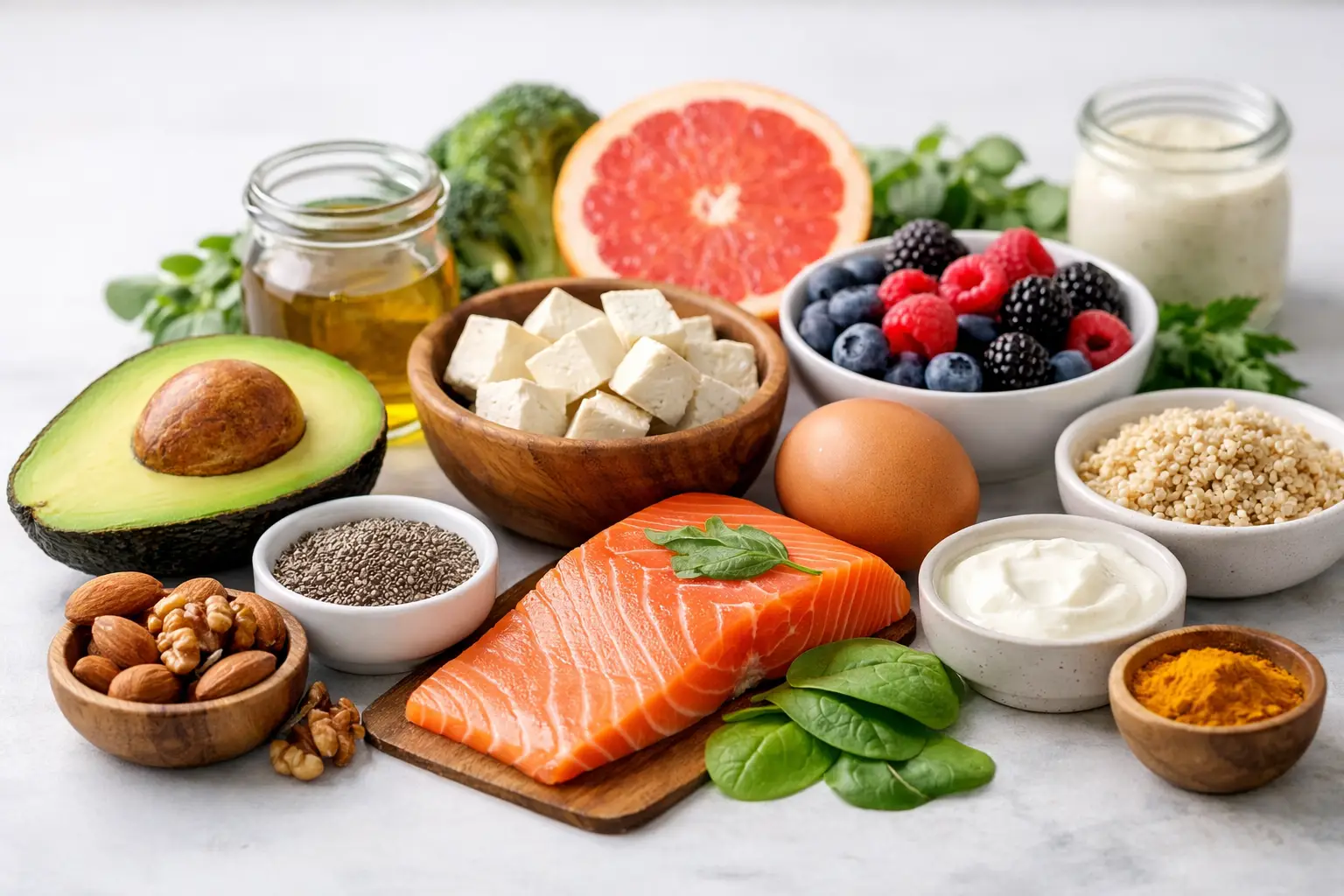
Hormones can throw your whole day off when they are out of sync. You might notice stubborn weight gain, cravings, low energy, sleep trouble, acne, mood swings, or irregular periods and not realize that food may be part of the picture. The good news is that certain foods for hormonal balance can support the systems that help regulate insulin, cortisol, estrogen, progesterone, and thyroid hormones.
Food is not a magic fix, and it cannot replace medical care for conditions like PCOS, thyroid disease, diabetes, or menopause symptoms that need treatment. But everyday eating habits do matter. The foods on your plate can affect blood sugar, inflammation, gut health, liver function, and nutrient status, all of which play a role in hormone health.
What hormonal balance really means
Hormonal balance does not mean every hormone stays at one perfect number all day. Hormones naturally rise and fall based on your age, menstrual cycle, sleep, stress, meals, and activity. What you want is not flat hormones, but healthy regulation.
That means insulin responds well after meals, cortisol follows a normal daily rhythm, estrogen is produced and cleared efficiently, and thyroid hormones have the nutrients they need to do their job. When those systems are under pressure from poor sleep, chronic stress, ultra-processed foods, or nutrient gaps, symptoms often show up fast.
Why food affects hormones so much
Your body uses nutrients from food to build hormones, transport them, activate them, and break them down. Protein provides amino acids. Healthy fats help with hormone production. Fiber supports blood sugar control and helps the body eliminate excess estrogen through the digestive tract. Key minerals such as magnesium, zinc, selenium, and iodine also matter.
This is why skipping meals, living on sugar and caffeine, or eating very little fat can backfire. Even if calories look fine on paper, the body may still lack the building blocks it needs for stable hormone function.
12 foods for hormonal balance
1. Fatty fish
Salmon, sardines, trout, and mackerel are rich in omega-3 fats, which may help calm inflammation and support hormone signaling. They are also filling, which can help reduce blood sugar swings that push insulin higher.
Fatty fish may be especially helpful if you deal with PMS, high triglycerides, or a diet low in anti-inflammatory fats. If you do not eat fish often, aim to include it a couple of times a week.
2. Eggs
Eggs are one of the simplest whole foods for hormone support. They provide protein, healthy fats, choline, selenium, iodine, and vitamin D, depending on the source. That mix can help with fullness, thyroid support, and steady energy.
For many people, eggs make an easy breakfast that works better than pastries or sugary cereal. Starting the day with protein often helps reduce midmorning cravings and may support better insulin control.
3. Greek yogurt and kefir
Fermented dairy foods bring protein plus beneficial bacteria that support gut health. This matters because the gut is involved in estrogen metabolism. When the gut is out of balance, hormone clearance may be less efficient.
Choose plain versions when possible to avoid a lot of added sugar. If you do not tolerate dairy, fermented foods like sauerkraut or nondairy probiotic options may still be useful, though the protein content will differ.
4. Leafy greens
Spinach, kale, arugula, collards, and Swiss chard offer magnesium, folate, and antioxidants with very little sugar. Magnesium is especially interesting because it supports hundreds of processes in the body, including stress response, sleep, and blood sugar regulation.
If stress leaves you wired and tired, greens are not a cure, but they are a smart foundation food. Add them to eggs, soups, smoothies, or grain bowls instead of forcing giant salads you will never want to eat.
5. Cruciferous vegetables
Broccoli, cauliflower, cabbage, Brussels sprouts, and bok choy are often recommended among foods for hormonal balance because they contain compounds that support estrogen metabolism. They also provide fiber, which helps the body eliminate waste and excess hormones.
This does not mean you need to eat piles of raw broccoli every day. Cooked cruciferous vegetables are often easier on digestion and still give you the benefits.
6. Berries
Berries are lower in sugar than many other fruits and packed with fiber and antioxidants. That makes them a good choice for people trying to support insulin sensitivity without feeling deprived.
Blueberries, raspberries, blackberries, and strawberries pair well with yogurt, oats, or cottage cheese. They can satisfy a sweet craving while giving your body something useful in return.
7. Avocados
Avocados provide fiber and monounsaturated fat, a combination that can help keep meals more satisfying and support steady blood sugar. Stable blood sugar matters because repeated spikes and crashes can strain insulin response and trigger cravings.
They are also easy to work into real life. Add avocado to toast with eggs, toss it into a salad, or use it in place of highly processed spreads.
8. Flaxseeds and pumpkin seeds
Seeds may be small, but they bring a lot to the table. Flaxseeds provide fiber and lignans, plant compounds that may support estrogen balance. Pumpkin seeds offer zinc and magnesium, two nutrients involved in reproductive and metabolic health.
Ground flaxseed is usually easier to absorb than whole seeds. Stir it into oatmeal, yogurt, or smoothies. Pumpkin seeds make a simple snack or crunchy topping for soups and salads.
9. Beans and lentils
These foods are excellent for blood sugar support because they combine plant protein, fiber, and slow-digesting carbohydrates. For anyone dealing with insulin resistance, cravings, or energy crashes, that combination is helpful.
Beans and lentils also support gut health and can make meals more affordable. If you are trying to eat better on a budget, they are one of the smartest swaps you can make.
10. Oats
Oats are a steady, satisfying carbohydrate that many people tolerate well. Their soluble fiber can help with fullness, digestive health, and healthier blood sugar response, especially when paired with protein and fat.
A bowl of oats topped with Greek yogurt, berries, and seeds is very different from a breakfast built around sweet coffee and a muffin. One supports stable energy. The other often leads to a crash.
11. Extra virgin olive oil
Olive oil is a staple in eating patterns linked with better heart and metabolic health. Since hormones and metabolism are closely connected, this matters more than people realize.
Use olive oil to cook vegetables, dress salads, or finish soups and grain bowls. It is a simple upgrade that can replace heavily refined oils and support a more balanced meal overall.
12. Herbs and spices like turmeric and cinnamon
Herbs and spices are not miracle cures, but they can support a hormone-friendly diet. Cinnamon may help with blood sugar management for some people, and turmeric has anti-inflammatory properties that may be useful when inflammation is part of the problem.
This is where Herbafama readers often have the right instinct. Natural support can be valuable, but it works best when it is part of an overall eating pattern, not a quick-fix supplement mindset.
How to build meals that support hormone health
The best diet for hormones is usually less about one superfood and more about meal structure. A helpful pattern is to build meals around protein, fiber, and healthy fat. That combination tends to support better blood sugar control, longer-lasting fullness, and fewer energy dips.
A practical breakfast might be eggs with sautéed greens and fruit, or Greek yogurt with berries, oats, and flax. Lunch could be a salmon salad with olive oil dressing and avocado. Dinner might look like lentils or chicken with roasted broccoli and sweet potato. These are simple meals, but they check the boxes your hormones care about.
Foods and habits that can work against hormonal balance
No single food ruins your hormones, but patterns matter. Diets high in sugary drinks, refined snacks, and ultra-processed meals can make blood sugar regulation harder. Heavy alcohol intake may also interfere with liver function and hormone metabolism. Constant undereating can be just as disruptive, especially for women who are highly active or chronically dieting.
Caffeine is another it-depends issue. Some people do fine with coffee, especially when they drink it with food. Others notice more anxiety, poor sleep, or appetite disruption, which can affect cortisol and hunger hormones. If your hormones feel off, your routine matters as much as your ingredient list.
When food helps, and when you need more than food
If symptoms are mild and tied to lifestyle habits, better nutrition may make a clear difference within a few weeks. You may notice steadier energy, fewer cravings, better digestion, improved sleep, or less moodiness around your cycle.
But some symptoms deserve medical attention. Very irregular periods, sudden weight changes, new facial hair growth, severe acne, hair thinning, hot flashes, fertility problems, or constant exhaustion may point to PCOS, thyroid disease, perimenopause, diabetes, or another health issue. Food can support treatment, but it should not delay proper testing.
A smart goal is not eating perfectly. It is making your meals more supportive, more often. If you start with one change, make it this: build your next meal around protein, fiber, and a healthy fat, and let consistency do the heavy lifting.

