
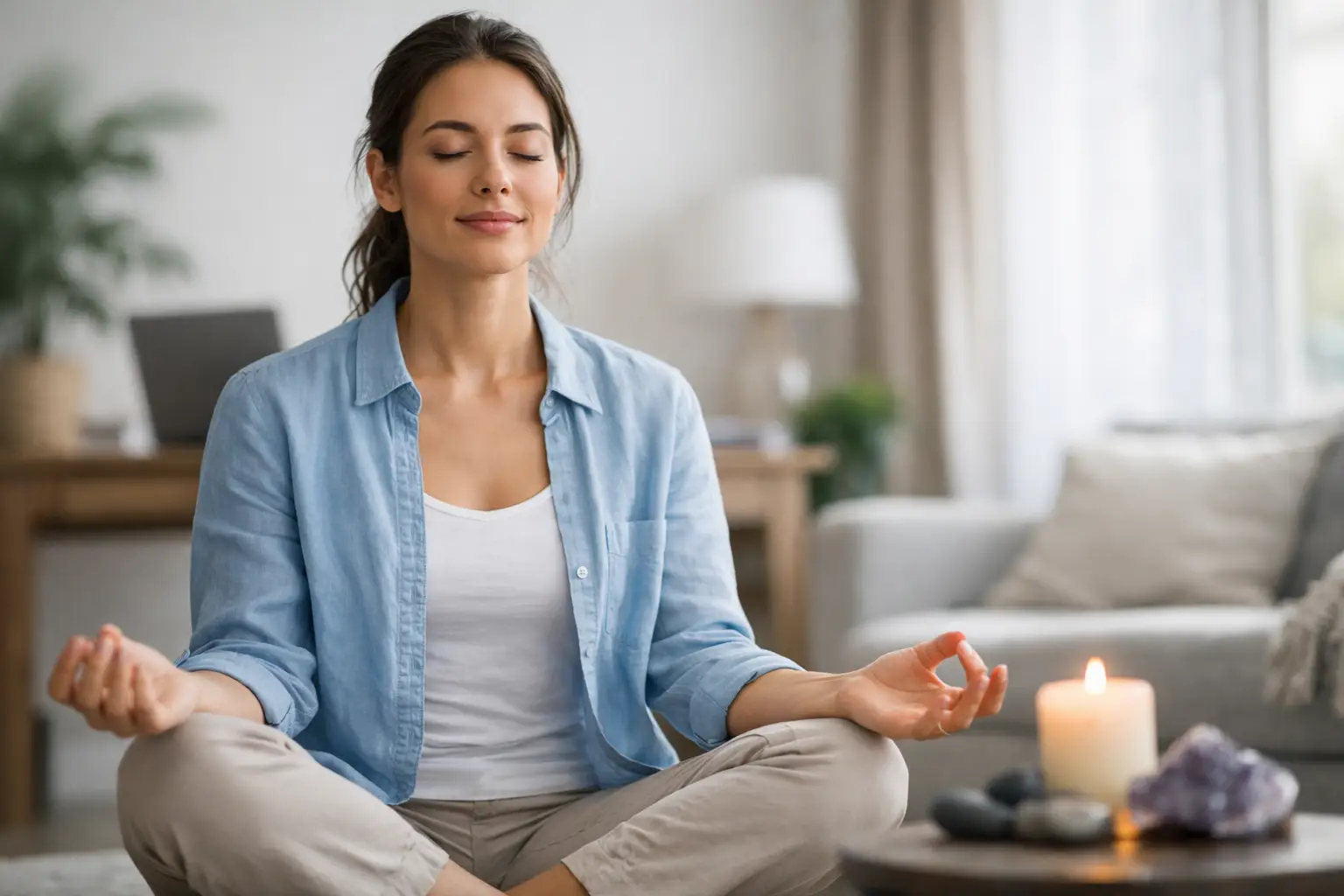
Your body usually tells you stress is building before your mind fully admits it. Maybe your shoulders stay tight all day, your sleep gets lighter, your patience gets shorter, or you start craving sugar and caffeine just to keep moving. That is why stress relief and emotional well being should never be treated like extras. They affect how you think, eat, rest, relate to people, and handle daily pressure.
Stress itself is not always the enemy. A short burst can help you meet a deadline, respond in an emergency, or stay alert. The problem starts when stress becomes your normal setting. When your nervous system rarely gets a break, emotional strain can show up as irritability, low motivation, sadness, anxiety, brain fog, headaches, digestive trouble, and even more frequent illness.
For many adults, the hardest part is not knowing they are stressed. It is knowing what actually helps in real life. Not everyone can take a week off, book a massage, or meditate for 45 minutes every morning. Good support has to be realistic. It has to fit into a workday, a family schedule, a tight budget, and a tired brain.
Why stress relief and emotional well being are so connected
Mental and emotional health are deeply tied to physical stress signals. When your brain senses a threat, whether it is a financial problem or an overloaded calendar, it activates hormones that prepare your body to react. Your heart rate can rise, muscles tense, and sleep may become more disrupted. If that pattern keeps repeating, your mood often pays the price.
This is why emotional well being is not just about staying positive. It is about having enough internal balance to recover from pressure. Some days that means calming your body down. Other days it means changing habits that keep your stress running in the background.
Emotional well being also does not look the same for everyone. One person feels better after a long walk and quiet time alone. Another needs conversation, prayer, journaling, or a structured routine. There is no single fix, which is why small habits often work better than dramatic overhauls.
The most effective stress relief habits are usually the least flashy
People often search for one big answer, but most lasting improvements come from repeating basic habits consistently. If your nervous system is overwhelmed, simple actions done daily can have more impact than occasional wellness bursts.
Sleep is one of the biggest factors. Poor sleep makes stress feel heavier the next day, and high stress makes sleep harder at night. That cycle can become self-reinforcing quickly. A regular bedtime, less screen exposure before bed, a cooler room, and cutting back on late caffeine can make a real difference. It may sound ordinary, but sleep is often the first place emotional resilience starts to return.
Movement matters too, even when you are not in the mood. Exercise helps lower stress hormones and can improve mood, concentration, and sleep quality. That does not mean every person needs intense training. Walking, stretching, light strength work, dancing in the kitchen, or a short yoga session can all help. The key is choosing something you will actually do more than once.
Food also plays a quiet but important role. When stress is high, many people skip meals, overeat, or live on convenience snacks. Blood sugar swings can leave you more edgy, tired, or foggy. Regular meals with protein, fiber, healthy fats, and enough fluids support steadier energy and mood. This is not about eating perfectly. It is about giving your brain and body a more stable foundation.
Fast stress relief when you need help right now
Sometimes you need support in the moment, not a long-term plan. When stress spikes, your first goal is often to signal safety to the body.
Slow breathing is one of the fastest tools available. Try inhaling gently through your nose, then exhaling longer than you inhaled. A longer exhale can help shift your body toward a calmer state. If counting makes you more tense, just focus on making the out-breath slower and softer.
Grounding can also help when your thoughts are racing. Look around the room and name a few things you can see, hear, or feel. Put both feet on the floor. Hold a cold glass of water. These small sensory cues can interrupt the spiral and bring your attention back to the present moment.
Another useful move is reducing incoming stimulation. Step away from the phone for ten minutes. Lower the volume. Turn off one source of noise. Stress tends to build faster when your brain is being hit from all directions.
If you are emotionally overloaded, do not underestimate the value of saying what is happening in plain language. A simple sentence like, “I am overwhelmed right now,” can reduce the pressure to pretend you are fine. Naming the feeling does not erase it, but it often makes it easier to manage.
Natural support for stress relief and emotional well being
Many readers are interested in natural approaches, and some can be helpful as part of a broader routine. Herbal teas, aromatherapy, and calming evening rituals may support relaxation, especially when used consistently. Chamomile tea is a common choice for winding down. Lavender is often used for its soothing scent. Lemon balm is another herb some people find calming.
That said, natural does not always mean risk-free. Herbs and supplements can interact with medications, affect sleep differently from person to person, or be a poor fit for pregnancy, certain health conditions, or anxiety that needs medical treatment. If stress is severe or ongoing, herbs should support your plan, not replace proper care.
It also helps to be honest about expectations. A cup of herbal tea can be comforting, but it will not fix a schedule that leaves you burned out every day. Natural tools tend to work best when paired with lifestyle changes, such as better sleep habits, regular meals, and boundaries around work and screen time.
What quietly makes stress worse
Some stress triggers are obvious. Others are so normal that people stop noticing them.
Too much caffeine can mimic anxiety symptoms, especially if you are already wired and underslept. Constant scrolling can keep your mind alert, distracted, and emotionally reactive. Skipping downtime can leave your body stuck in performance mode from morning to night.
People-pleasing is another hidden source of chronic stress. If you say yes when you want to say no, your calendar may look manageable on paper but feel exhausting in reality. Emotional well being often improves when you stop treating your limits like a personal failure.
Isolation can make stress feel louder too. Some people withdraw when they are struggling, then feel even worse because they are carrying everything alone. You do not need a huge support system, but even one trusted person can lighten the load.
When daily stress becomes a bigger mental health issue
There is a difference between feeling stressed and feeling persistently unwell. If your stress is leading to panic attacks, constant dread, hopelessness, frequent crying, sleep problems that do not let up, or trouble functioning at work or at home, it may be time for more than self-care.
Professional support can help you sort out whether you are dealing with burnout, anxiety, depression, trauma, or another issue that needs treatment. Therapy can give you practical coping tools and a place to process what is driving your stress. In some cases, medical evaluation is also important, since thyroid problems, hormone changes, chronic pain, and other health issues can affect mood and stress levels.
Seeking help is not a sign that you failed to manage stress correctly. It is a smart response when your symptoms are interfering with daily life. Consumer-friendly wellness advice can go a long way, but some situations need trained support.
A realistic routine for better emotional balance
If you want a practical place to start, keep it small. Wake up at about the same time each day. Eat something with protein in the morning. Get outside for ten minutes if you can. Build in one short break before your stress peaks instead of after you are already drained.
At night, create a simple cue that tells your body the day is ending. That could be a shower, herbal tea, reading a few pages of a book, or dimming the lights earlier. Consistency matters more than perfection. A routine should feel supportive, not like another task you are failing to complete.
It is also worth checking your emotional inputs. Ask yourself what you are consuming every day, not just in food but in media, conversations, and expectations. If your mind is constantly fed urgency, conflict, and comparison, calm will feel harder to reach.
At Herbafama, the most useful wellness advice is usually the kind people can actually use on an ordinary Tuesday. Stress relief does not need to be dramatic to be effective. Sometimes it starts with drinking water, stepping outside, turning your phone face down, and giving yourself permission to recover before your body forces the issue.
A calmer life rarely appears all at once. It is built through small choices that tell your mind and body, again and again, that you deserve care too.

